
Slow Travel: Northern Argentina In-Depth
23 days from £7,950 pp
Slow Travel: Northern Argentina In-Depth is a 23-day tailor-made journey through the side of Argentina few visitors see, with a private driver and time to linger at every stop. Watch wildlife in the Iberá Wetlands, explore the Jesuit ruins of San Ignacio and the yerba mate country of Misiones, and see Iguazu Falls from both sides. Then fly to Salta for the high Andes: the painted valleys of the Quebrada de Humahuaca, the remote salt flats and volcanoes of the Puna, the vineyards of Cafayate and the adobe villages of the Calchaquí Valleys. Prices start from £7,950 per person, including flights within Argentina, private transfers and guiding, and hand-picked places to stay. It’s northern Argentina off the beaten track, at the pace it deserves.
Trip Highlights
- Ride with gauchos through the Iberá Wetlands
- Walk among the Jesuit ruins of San Ignacio Miní
- Cross the high Puna to the salt flats and pumice fields of Catamarca
- Taste Cafayate’s Torrontés among the vineyards of the Calchaquí Valleys
Our Expert Tip
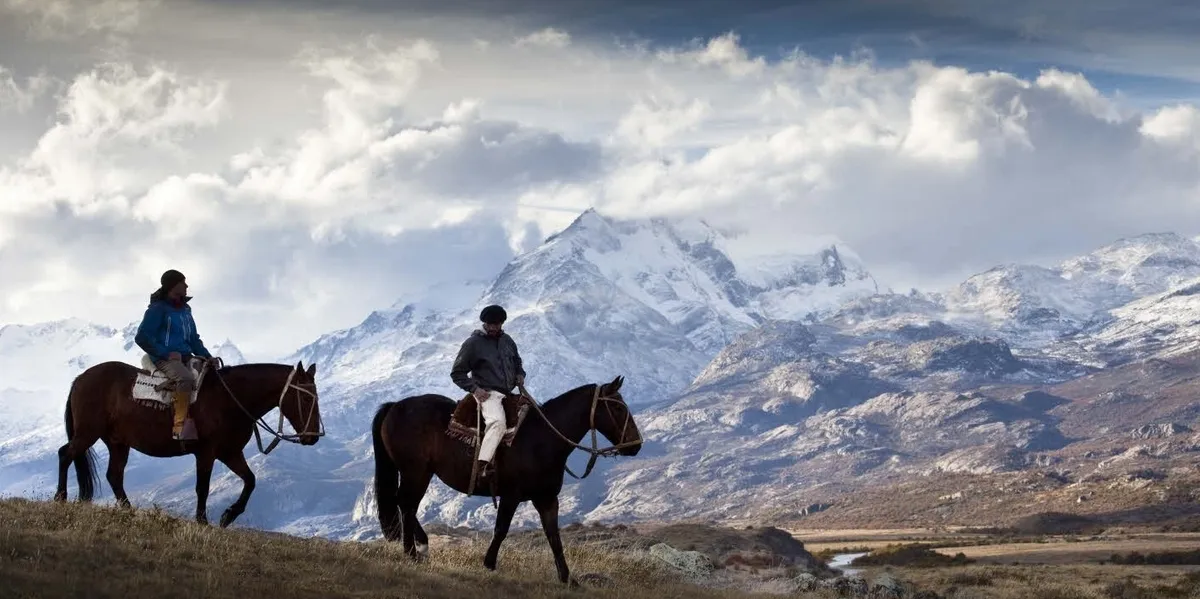
”Saddle up and experience the Iberá Wetlands on horseback with a local guide (gaucho). It’s a traditional way to explore this remarkable ecosystem, and often brings you closer to the wildlife than a boat”
Scarlett, Argentina Expert
Northern Argentina Itinerary: Day by Day
Day 1-2: Buenos Aires
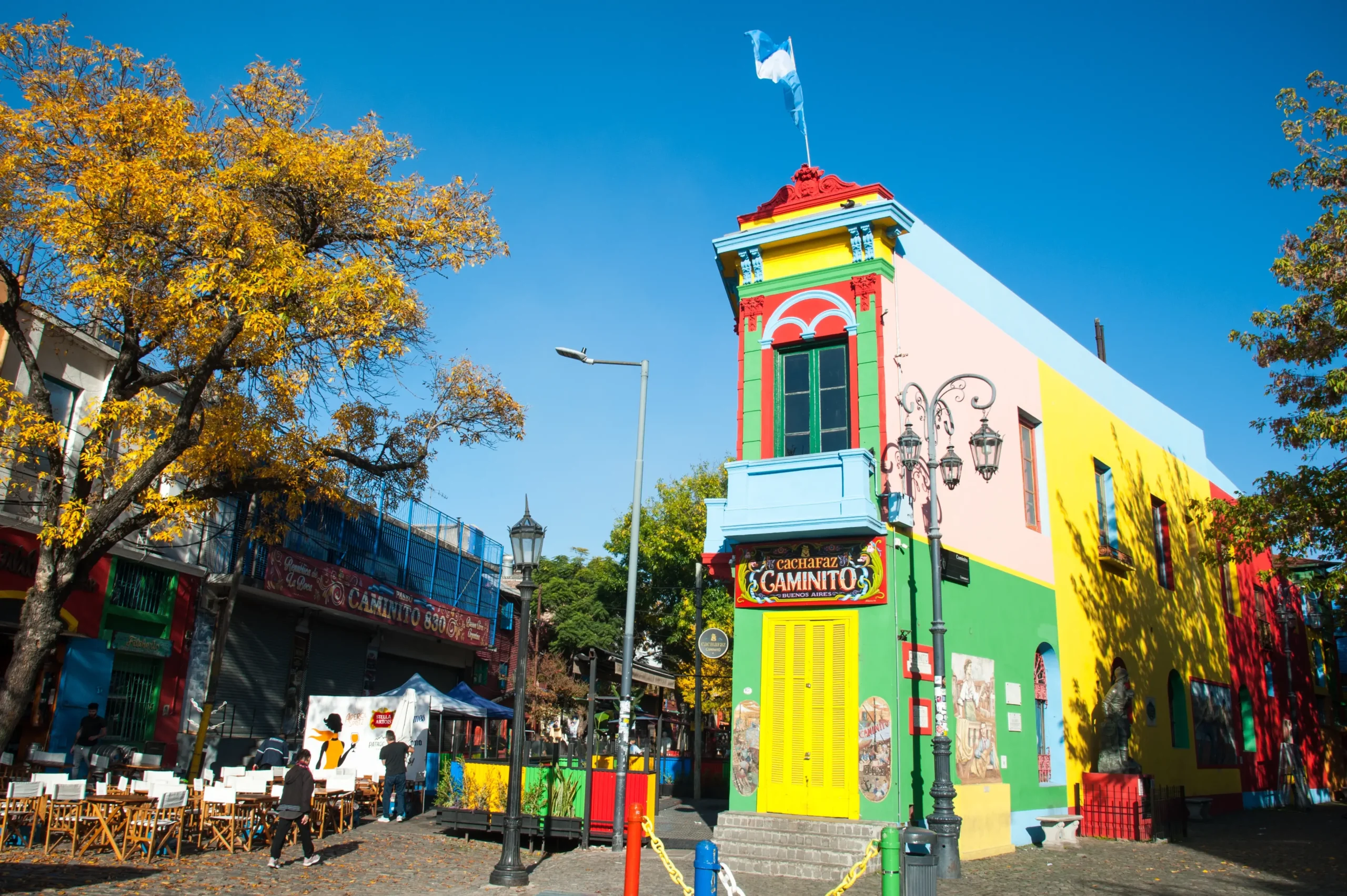
Begin with two nights at Cassa Lepage or similar, an art hotel in the historic centre, and a full day with a private guide to get your bearings: the mansions of Palermo, the tombs of Recoleta, the football stadium in La Boca and the tango bars of San Telmo. It’s a gentle start before the long journey north.
Day 3-5: Iberá Wetlands
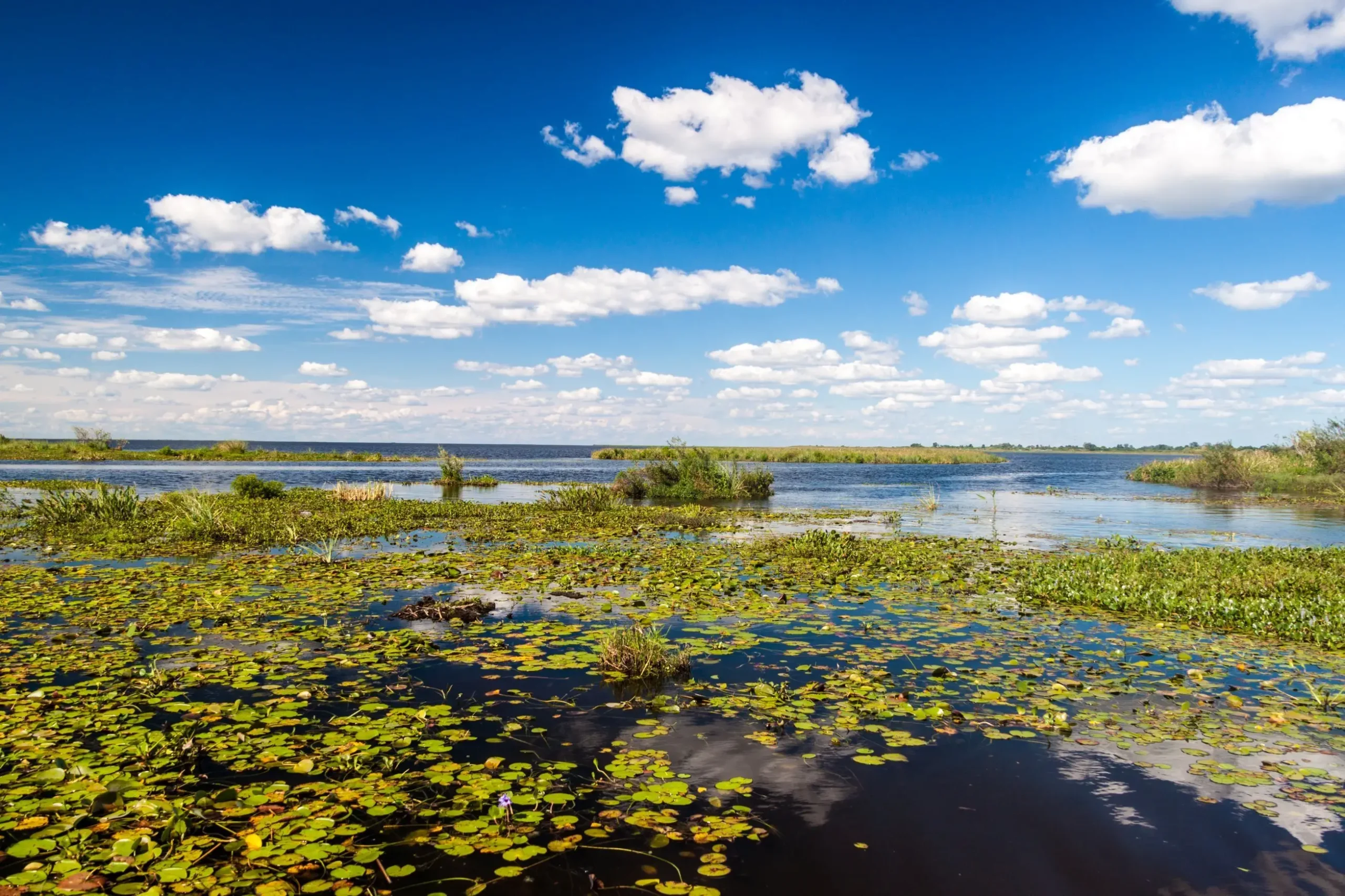
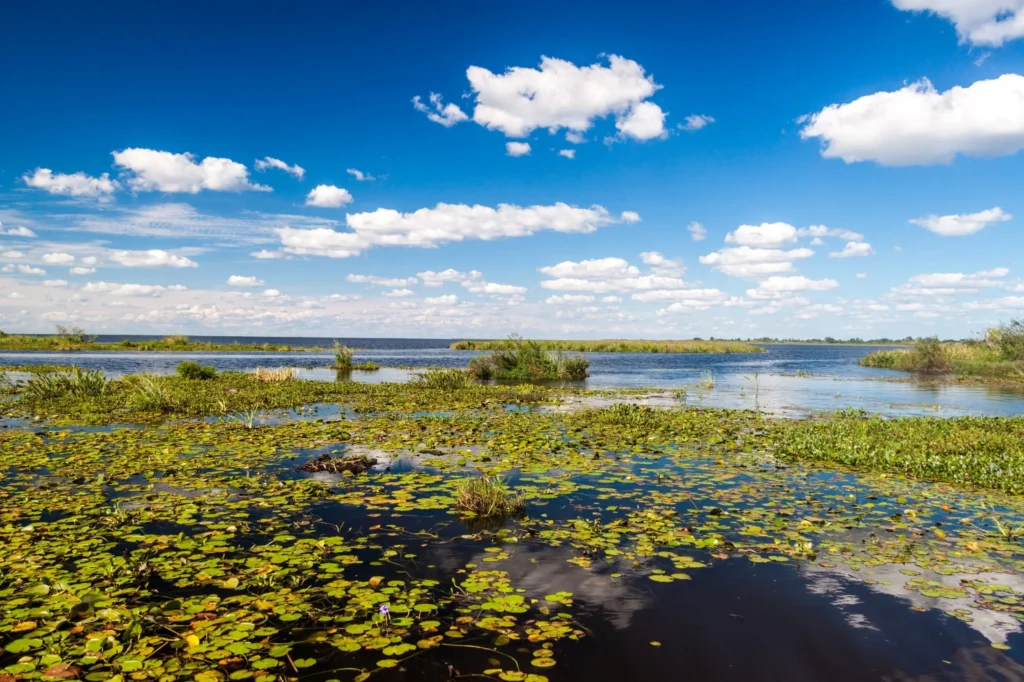
Your private driver takes you north-east across Corrientes province to the Iberá Wetlands, a vast mosaic of lagoons, floating grass islands and marsh. Stay three nights at Rincón del Socorro or similar, where each day the lodge’s guides offer a choice of outings.
Our favourite is a morning on horseback with a local gaucho (see Scarlett’s tip), splashing through the shallows where marsh deer, capybaras and caimans barely look up as you pass.
Day 6-7: Posadas and San Ignacio
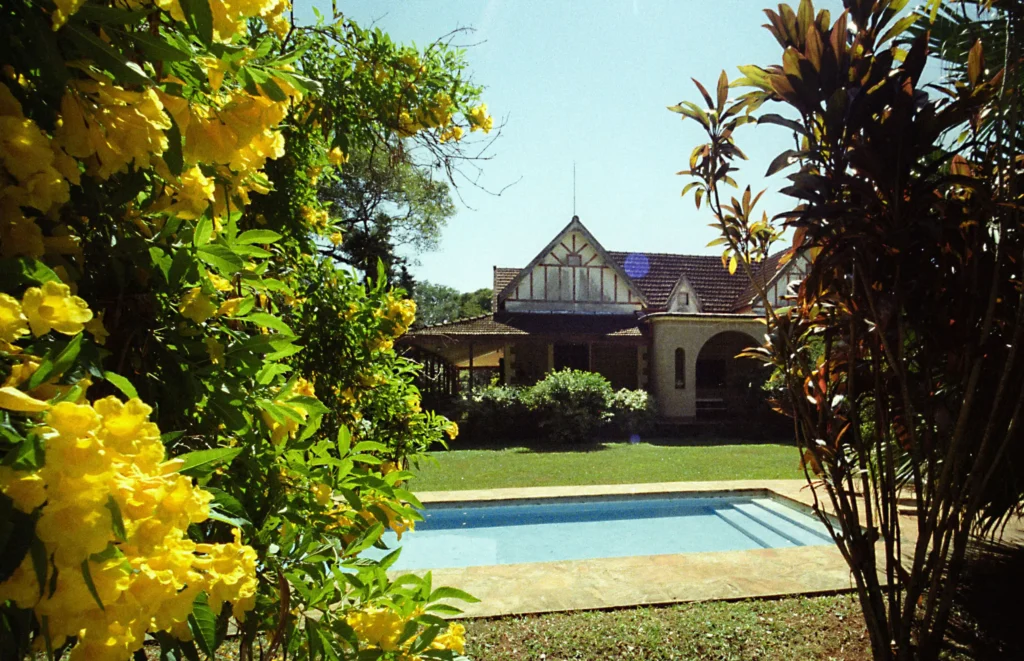
Continue to the province of Misiones for two nights near Posadas. Spend a day at historic Estancia Santa Inés, one of the region’s traditional yerba mate estates, learning how Argentina’s favourite drink is grown and prepared, with time for horse riding, birdwatching and nature walks.
On the second day, visit the ruins of San Ignacio Miní, a UNESCO World Heritage Site, where the red sandstone walls of a 17th-century Jesuit mission are carved with Baroque angels and flowers.
Day 8-10: Iguazu Falls
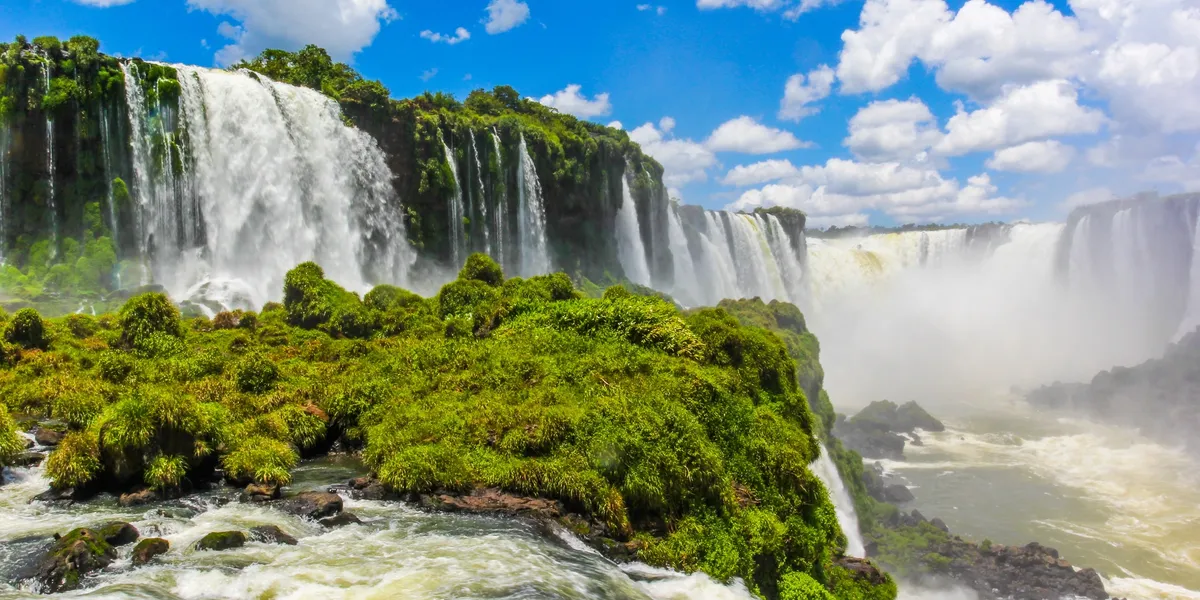
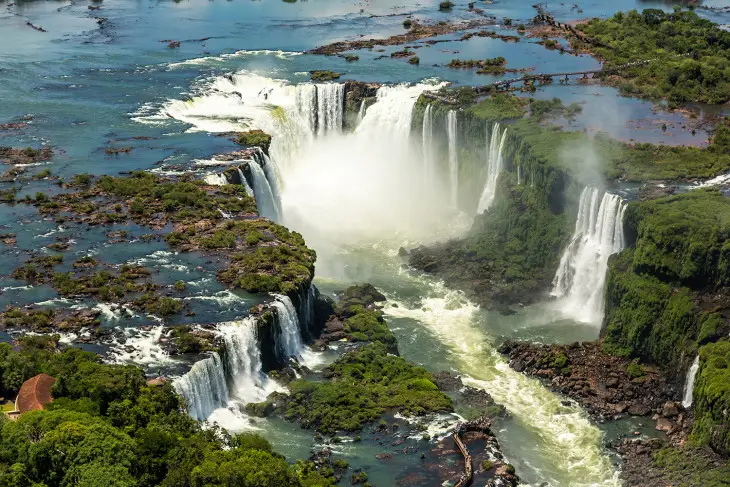
Drive north through red earth and tea plantations to Puerto Iguazú for three nights at Iguazú Jungle Lodge or similar. With three nights, you can see the falls at an unhurried pace: a day on the Argentine side’s network of trails, half a day across the border in Brazil, and time left over to return at a quieter hour or explore the surrounding forest.
Want to add on some time in Brazil ? Ask our experts; it’s all possible.
Day 11-12: Purmamarca
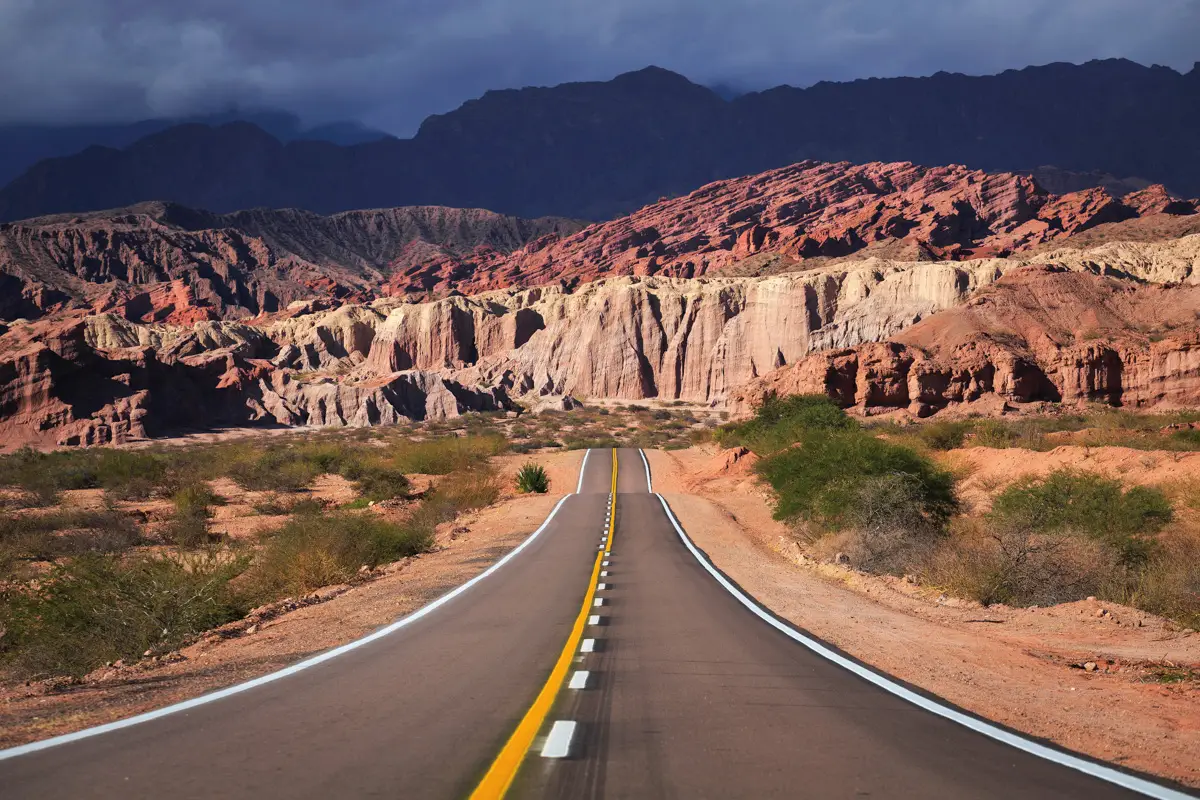
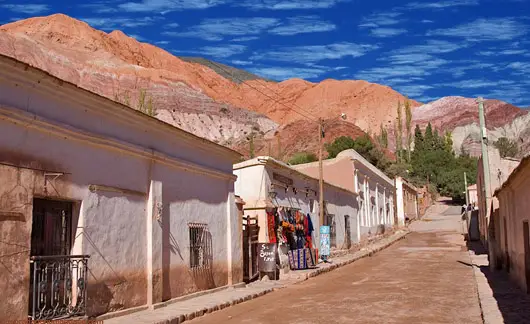
Fly west to Salta, where your driver meets you for the journey north into the Quebrada de Humahuaca, a UNESCO-listed valley of striped and painted mountains. Stay two nights at Colores de Purmamarca, beneath the village’s Hill of Seven Colours.
Explore the pre-Inca hilltop fortress of Pucará de Tilcara and the cactus-covered slopes around it, browse the village markets, and drive up to the Serranía de Hornocal, a mountain range striped in fourteen colours.
Day 13-14: Tolar Grande
Now the road climbs into the Puna, a high, stark plateau where the air is thin and the views go on forever. Wind up the hairpins of the Cuesta de Lipán to the brilliant white Salinas Grandes, then continue to the tiny village of Tolar Grande, staying two nights in a small, simple hotel with good home cooking.
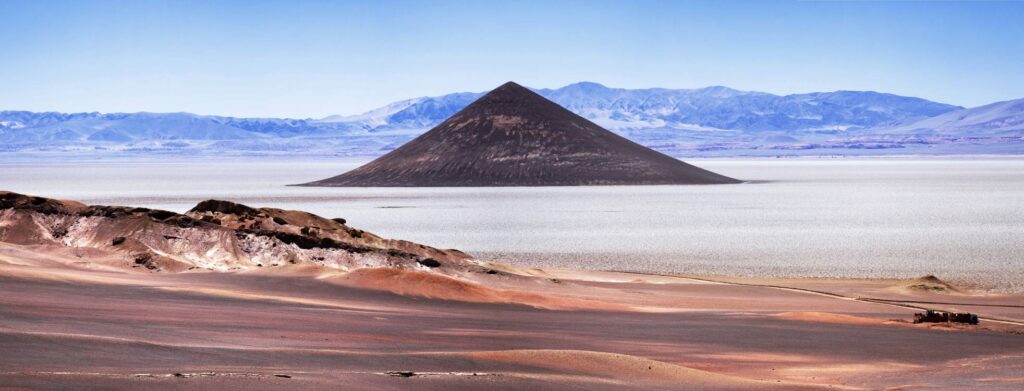
From here, explore the vast Salar de Arizaro and the near-perfect pyramid of the Cono de Arita rising from it, the red rock formations of the Desierto del Diablo, and the abandoned mining town of La Casualidad.
Day 15-16: El Peñón
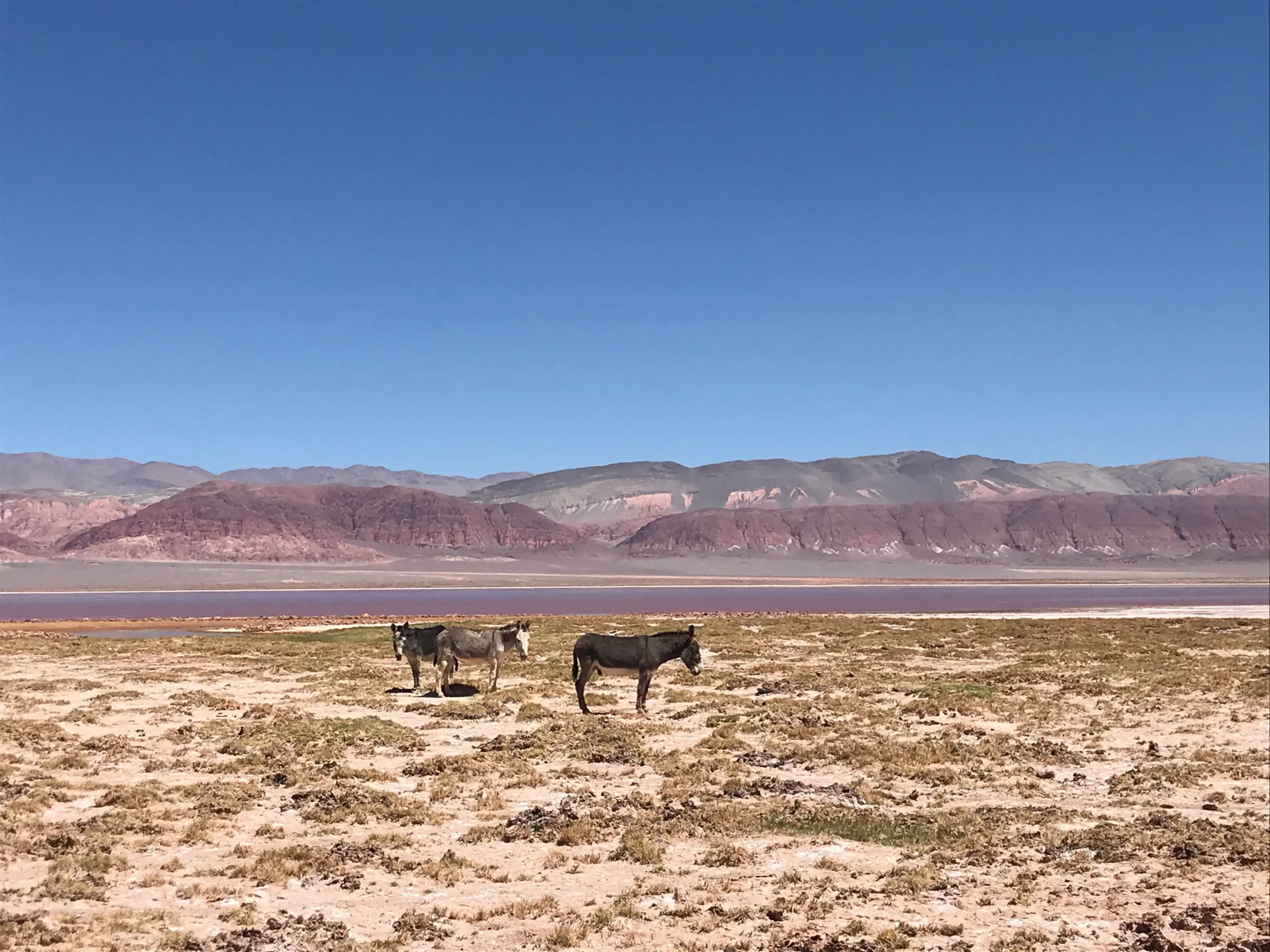
Cross into Catamarca province and some of the most remote landscapes in South America, staying two nights in the hamlet of El Peñón. Stop for lunch in the green oasis of Antofagasta de la Sierra, then walk among the wind-sculpted white boulders of the Campo de Piedra Pómez, one of the world’s largest pumice fields, and visit the lagoon and dark volcanic cone of Carachi Pampa.
Day 17-18: Cafayate
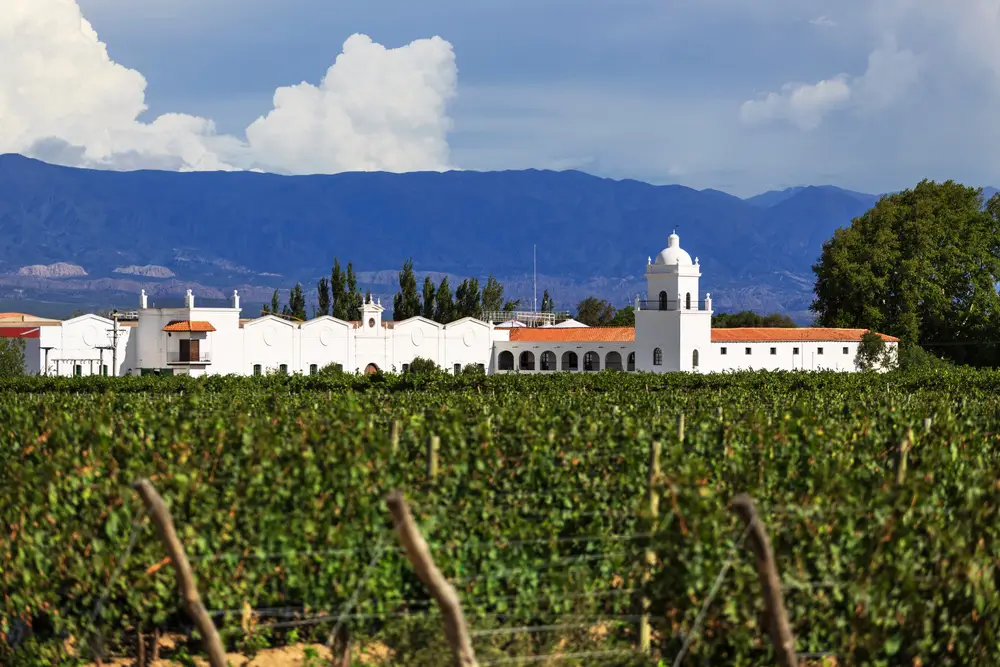
Descend from the Puna to the vineyards of Cafayate, for two nights at Villa Vicuña or similar. After days at altitude, it’s a place to slow right down: visit a bodega for a tasting of Torrontés, wander the village square, and see the terraced pre-Hispanic ruins of Quilmes, once home to one of the region’s largest settlements.
Day 19-20: Cachi
Drive north along Route 40 through the Calchaquí Valleys, passing through Colomé, Molinos and Seclantás, to the whitewashed village of Cachi, for two nights at El Cortijo. Spend your time walking its cobbled streets and the surrounding farmland, with the snow-capped Nevado de Cachi on the horizon.
Day 21-22: Salta
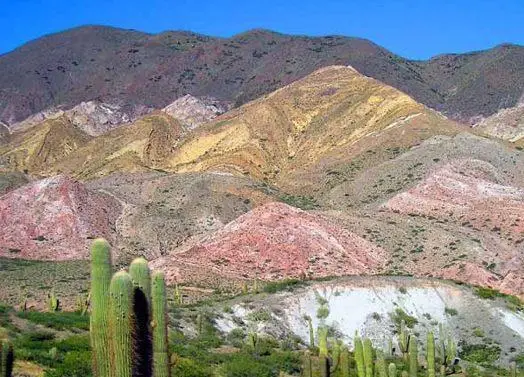
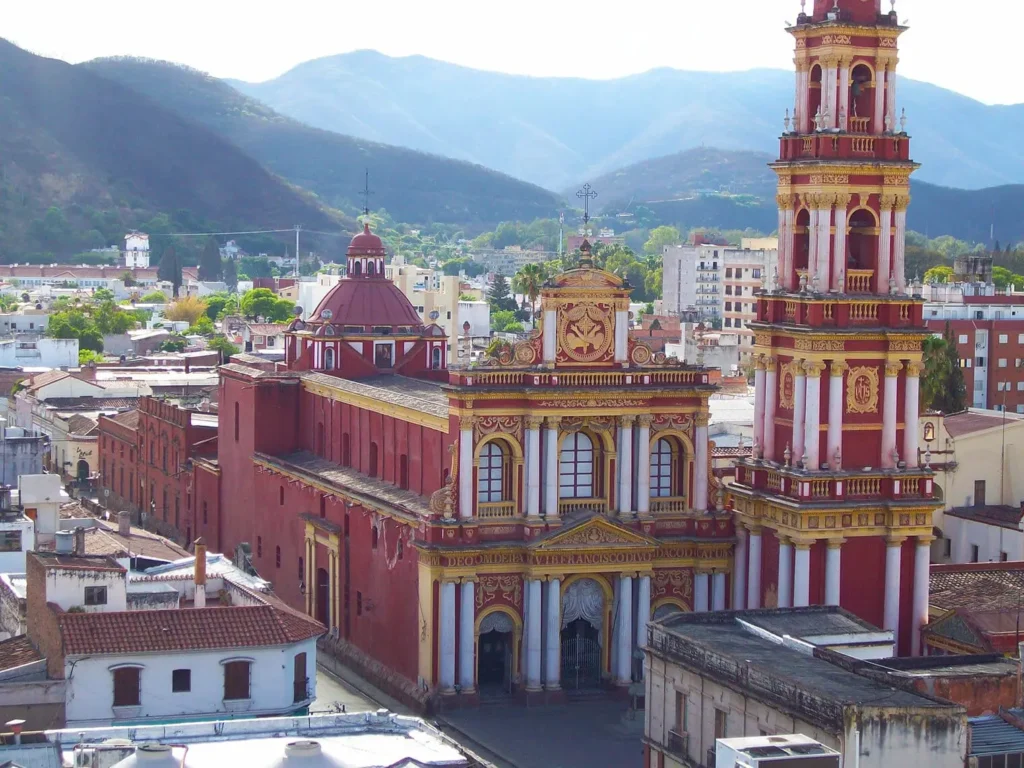
Head back to Salta over the Cuesta del Obispo, stopping in Los Cardones National Park to walk among its giant cacti. Spend your last two nights in a peaceful hacienda retreat just outside the city, with time for a tour of Salta’s colonial centre and a farewell dinner with the region’s excellent red wine.
Day 23: Depart
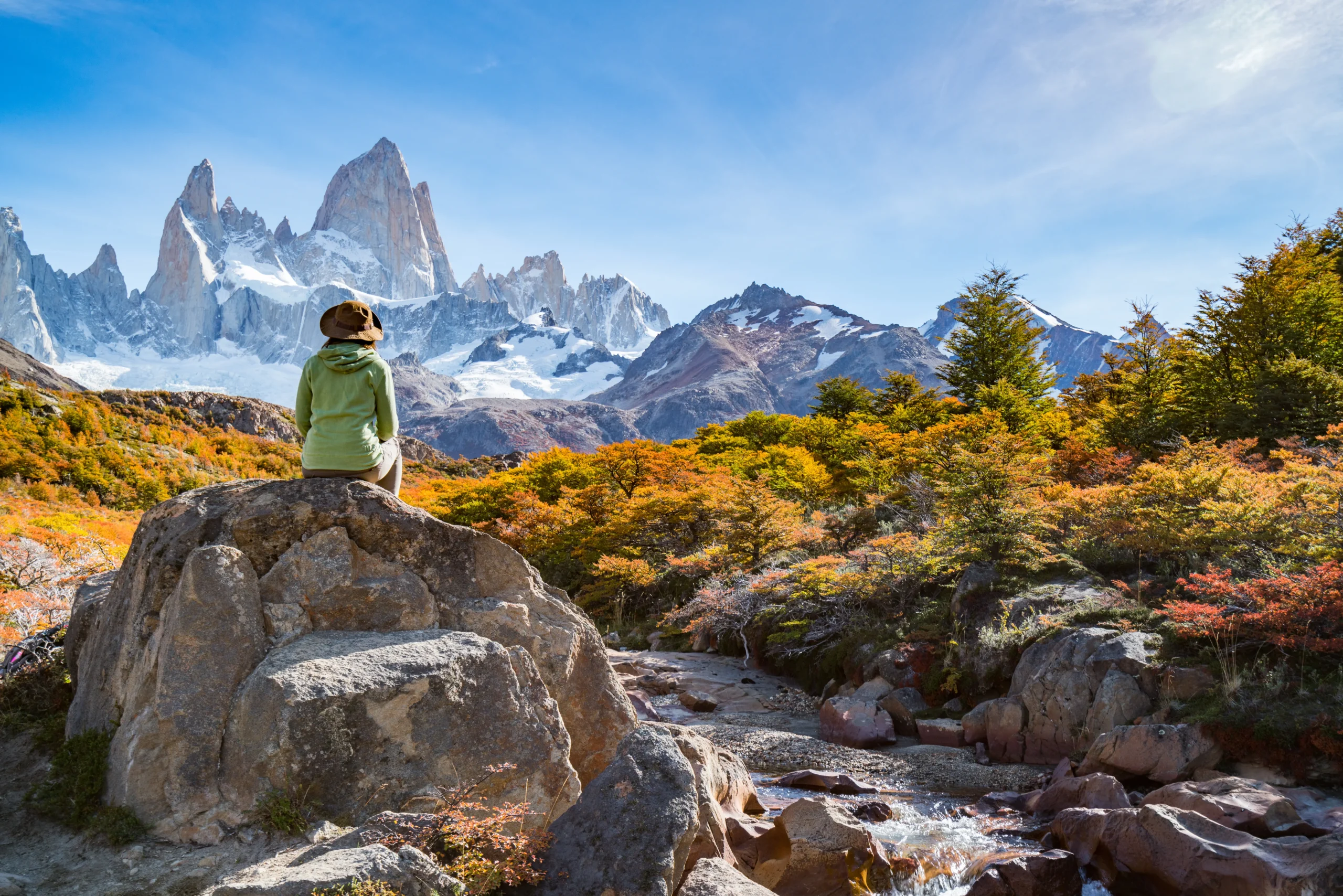
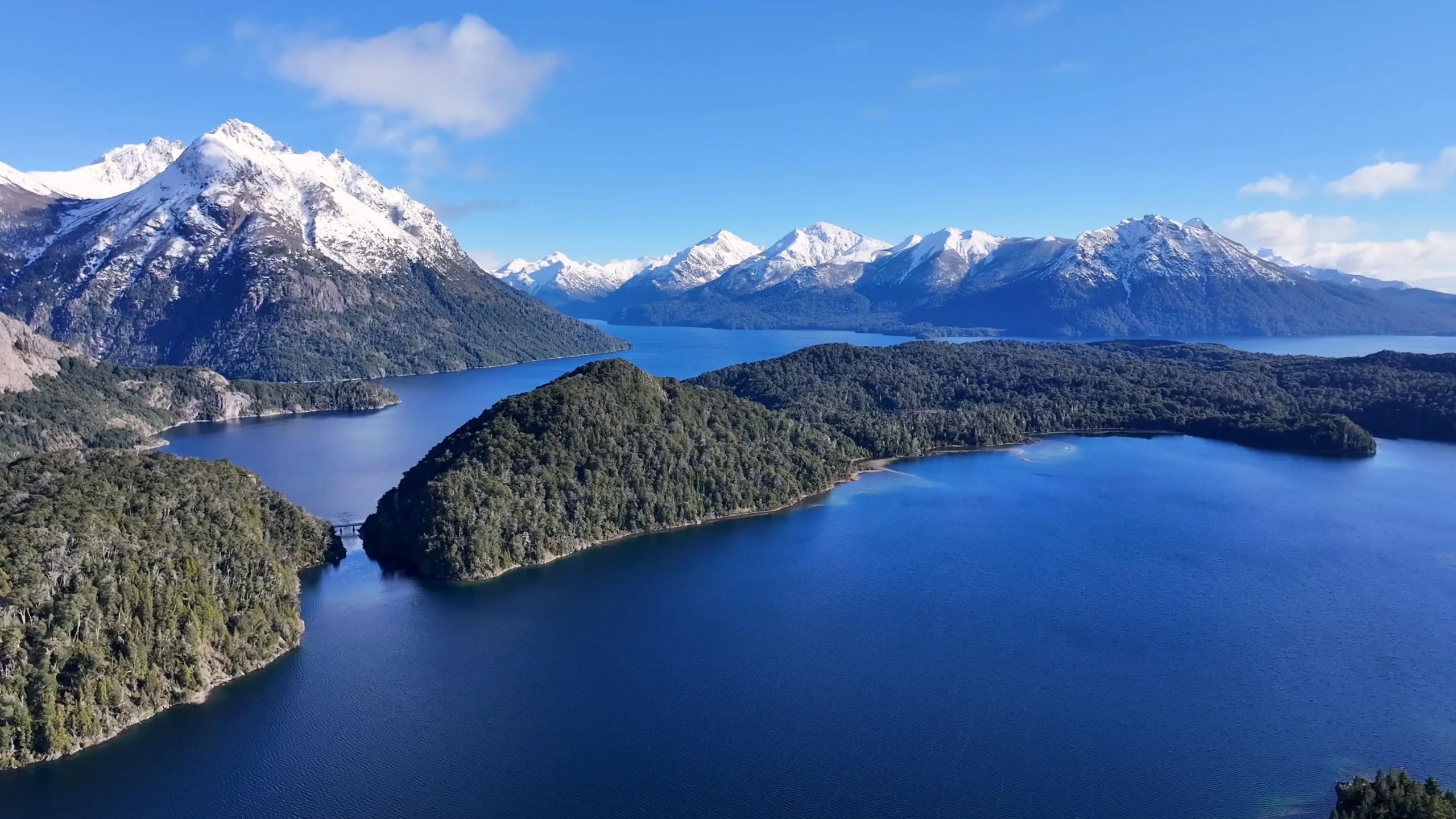
Fly home via Buenos Aires, or extend your trip with a few days in Patagonia: see our Patagonia holidays.
When to Go
Best time for a northern Argentina holiday
The best times for this trip are April to May and September to November, when the north-west is dry and sunny, and Iberá and Iguazu are warm but not too hot. From December to February the high Andes can be wet and Iberá very hot. Much of the Puna sits above 3,500 metres, so nights are cold at any time of year, and we build in time to adjust to the altitude.
Includes
- All accommodation
- Excursions
- Transport
- Private guides
Excludes
- International flights
- Travel insurance
- Visa cost
- Tips
Why Book With Travel Differently
Passionate and experienced
- Each member of the team has over a decade of experience in the industry
- Our 5* client reviews reflect our service & standards
- We are a fully independent & owner-run tour operator
- Our holidays include full financial protection & ATOL coverage
- We are destination experts, ensuring authentic & reliable advice

Committed and Responsible
Tailor-made and Personal
- No two trips are the same, our holidays are 100% bespoke
- We design personal, genuine cultural connections & experiences
- From planning to travel, you’ll have one dedicated point of contact
- Our support is available around the clock during your holiday
- We take care of the details, so you don’t have to
Need More Inspiration?
Want to combine multi-countries, take less flights, or include a hike in Patagonia? Thinking of a longer sabbatical holiday, or staying in some luxury yurts? It’s all possible; all our holidays are tailor-made with a focus on responsible travel. Take a look at more ideas below, and contact our experts.