

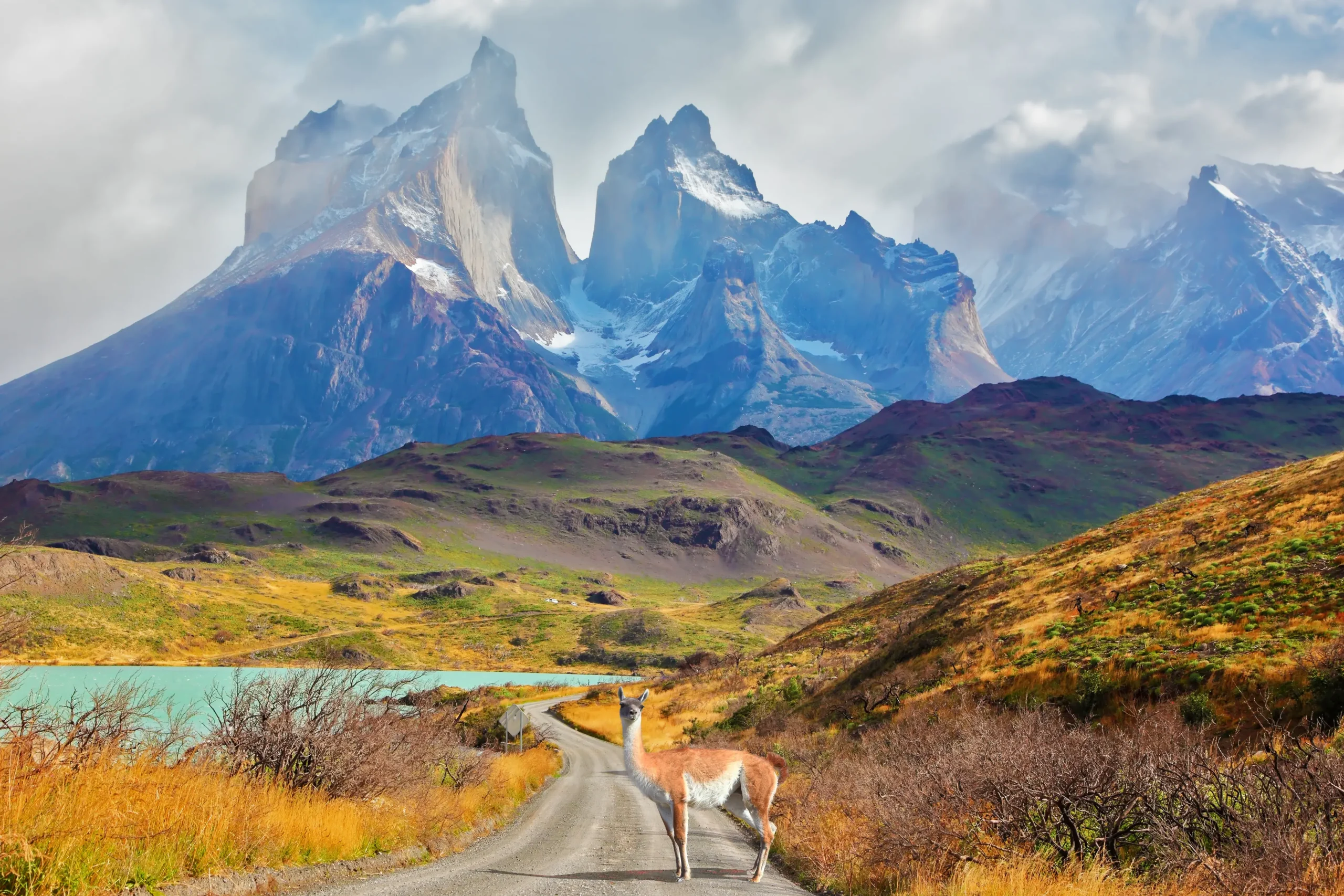
Is Patagonia Worth Visiting? Everything You need to know before You go
Yes, Patagonia is genuinely worth visiting. Despite the cost, distance and unpredictable weather, its combination of dramatic glaciers, world-class hiking, rich wildlife and remaining sense of wilderness makes it one of the most rewarding destinations on Earth, provided you plan with enough time to travel slowly rather than rushing between highlights.
Spanning the southern tip of South America across Argentina and Chile, Patagonia is an awe-inspiring region of wild and dramatic beauty. Towering granite peaks, brilliant blue lakes and gigantic glaciers, it’s a region that feels almost other-worldly. For lovers of adventure, wildlife and nature, it is easy to see why Patagonia has become a true bucket-list destination.
Written by Scarlett, Travel Differently’s Chile & Argentina specialist
Last updated 23rd September 2026
Patagonia Holidays At a Glance
| Holiday | Duration | From price | Best for |
| Patagonia Highlights Holiday | 16 days | £4,185pp | A well-rounded first introduction to the region |
| Patagonia Active Adventure Holiday | 20 days | £6,056pp | First-time visitors wanting an active, comprehensive trip |
| Slow Travel Patagonia Holiday | 24 days | £5,589pp | Travellers wanting to see the icons and the hidden gems, without rushing |
| Patagonia Luxury Hiking Holiday | 15 days | £10,930pp | Luxury eco-lodges and 5* hotels alongside serious hiking |
Is Patagonia really worth it? 10 reasons Travellers say Yes
With the time, cost and effort required to reach this remote corner of the world, many travelers ask the same question: is Patagonia really worth it? Our answer is a resounding yes, and here are our top 10 reasons why:
1 – The landscapes feel other-worldly. Towering granite spires, electric-blue glacial lakes and ice fields that stretch beyond the horizon give Patagonia a sense of scale and drama that’s genuinely hard to find anywhere else on the planet.
2 – It is a true bucket-list destination. Patagonia consistently ranks among the world’s most desired destinations, and for good reason: few places combine this level of natural spectacle with genuine remoteness.
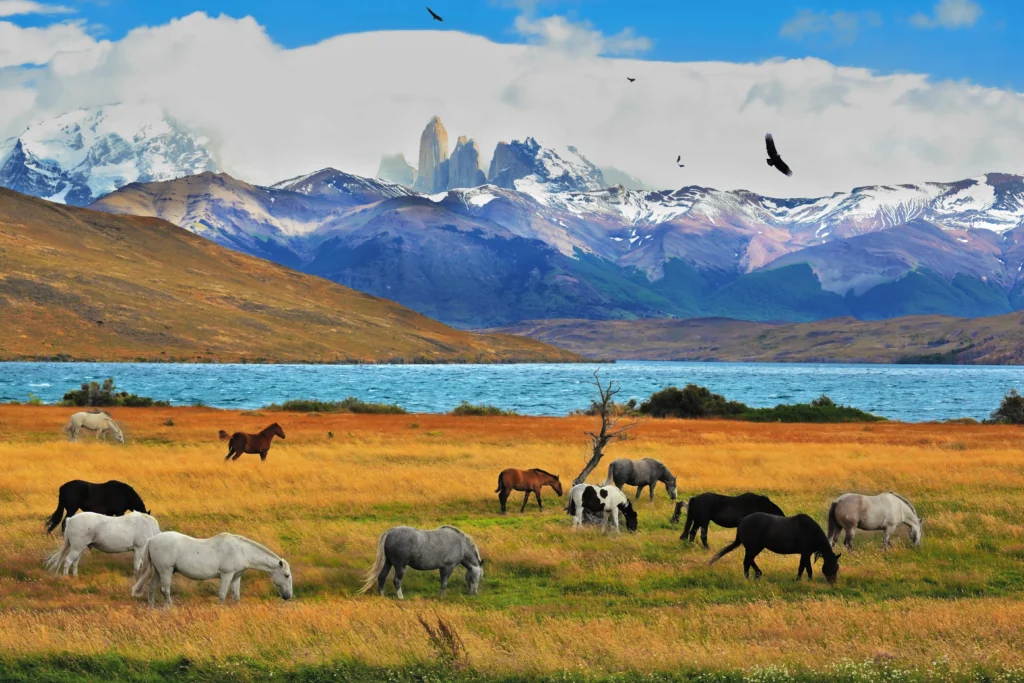
3 – Iconic sights live up to the hype. Torres del Paine’s granite towers and the Perito Moreno Glacier are two of the most photographed landscapes in South America, and seeing them in person rarely disappoints, even for well-travelled guests.
4 – There is still space to escape the crowds. Despite growing visitor numbers at its most famous viewpoints, Patagonia remains vast enough that a well-planned itinerary can still feel wonderfully quiet and remote.
5 – It rewards slower, more immersive travel. Patagonia isn’t a destination to rush. Guests who build in time to simply sit with a view, rather than ticking off sights, consistently tell us it’s what made the trip memorable.
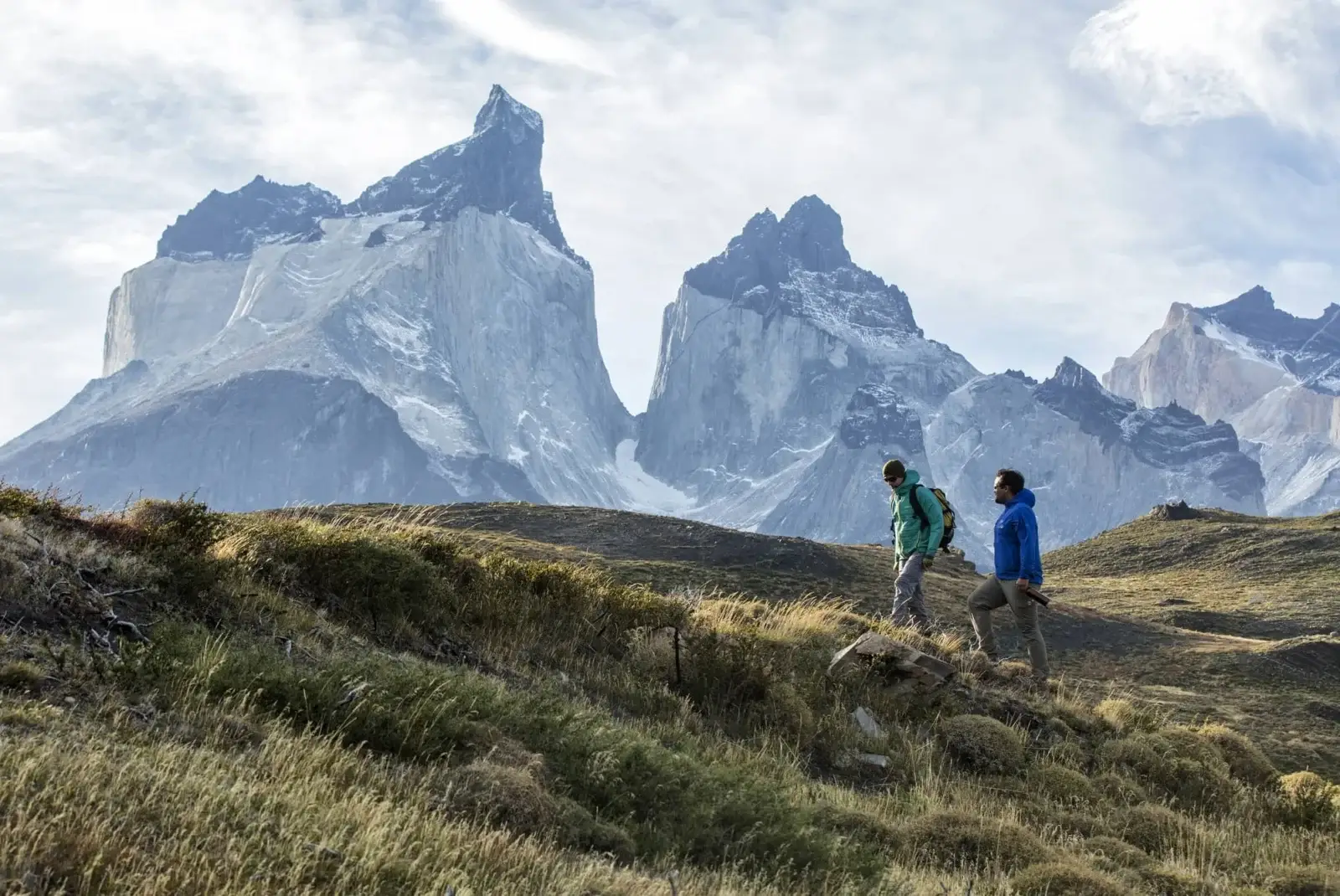
6 – The hiking is exceptional. From gentle day walks to multi-day treks through Torres del Paine and around Fitz Roy, Patagonia offers some of the finest hiking terrain anywhere in the world, for every fitness level.
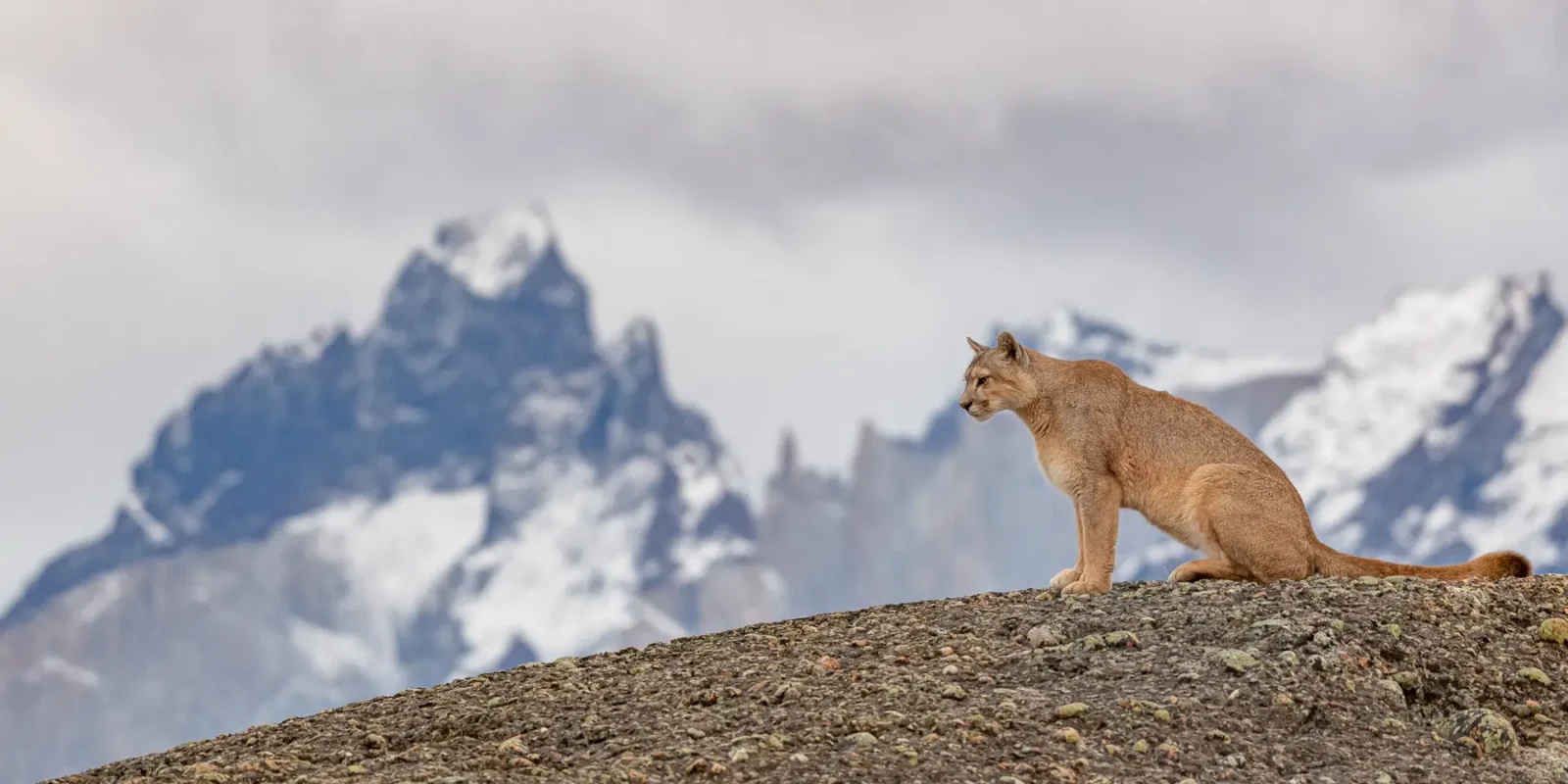
7 – Wildlife encounters are memorable. Guanacos, condors, and, for the fortunate, wild pumas all call Patagonia home, offering wildlife encounters that feel genuinely wild rather than staged.
8 – The changing seasons offer different rewards. Autumn brings fiery forest colours and quiet trails, spring brings wildflowers and increased wildlife activity, and summer brings long days and full accessibility. There’s a strong case for visiting outside peak season.
9 – The remoteness is part of the appeal. The very distance and effort it takes to reach Patagonia is part of what keeps it feeling special. This isn’t a destination you stumble into on a whim, and that scarcity is part of the reward.
10 – It leaves a lasting impression. Guests who’ve travelled extensively often tell us Patagonia stays with them longer than almost anywhere else they’ve visited, a genuine rarity in a well-travelled world.
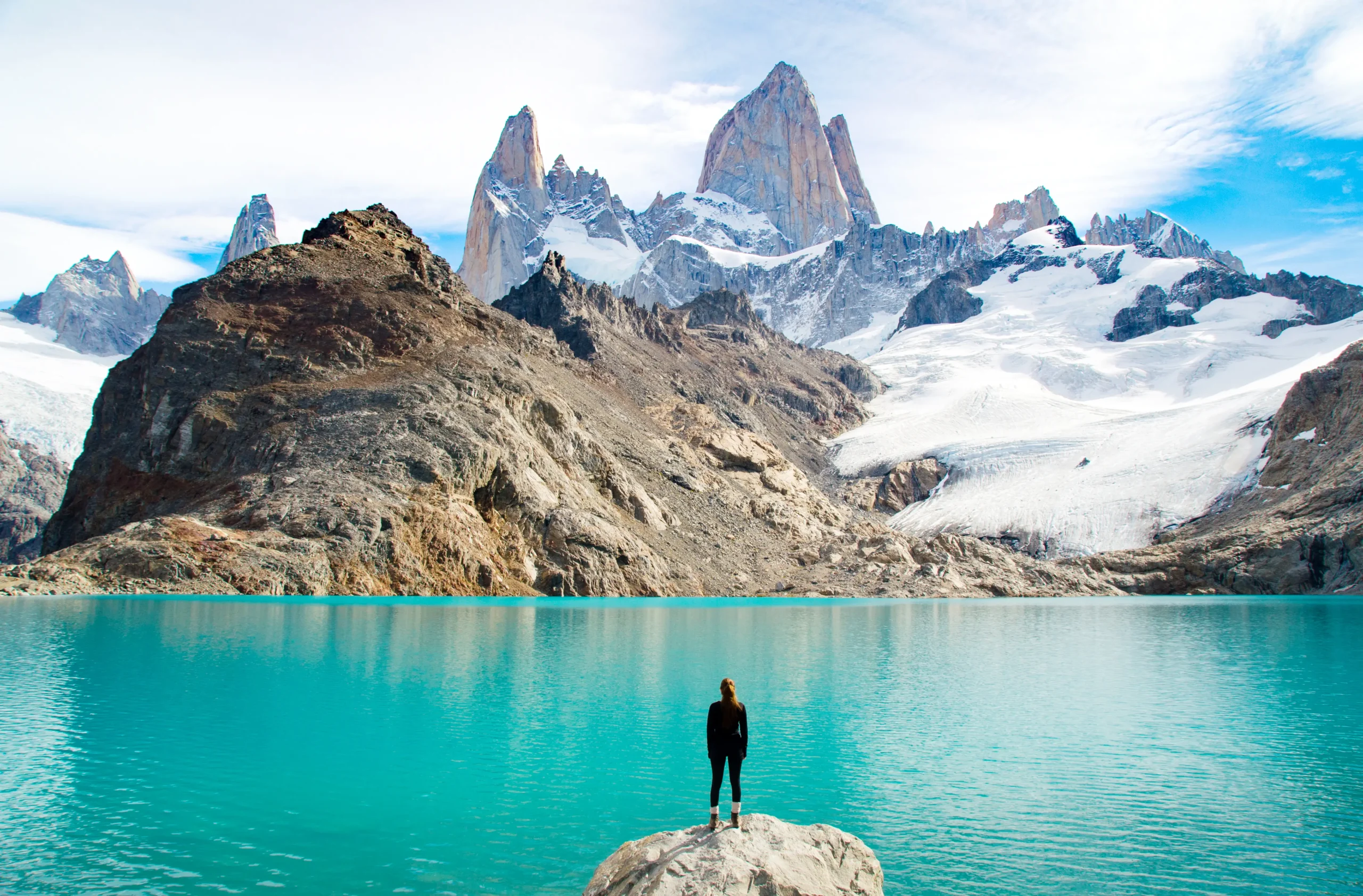
“I’ve seen people first hand who’ve been everywhere go quiet in front of Torres del Paine for the first time. It’s one of the only places I still see that reaction, no matter how well-travelled someone is.” — Scarlett, Chile & Argentina Specialist
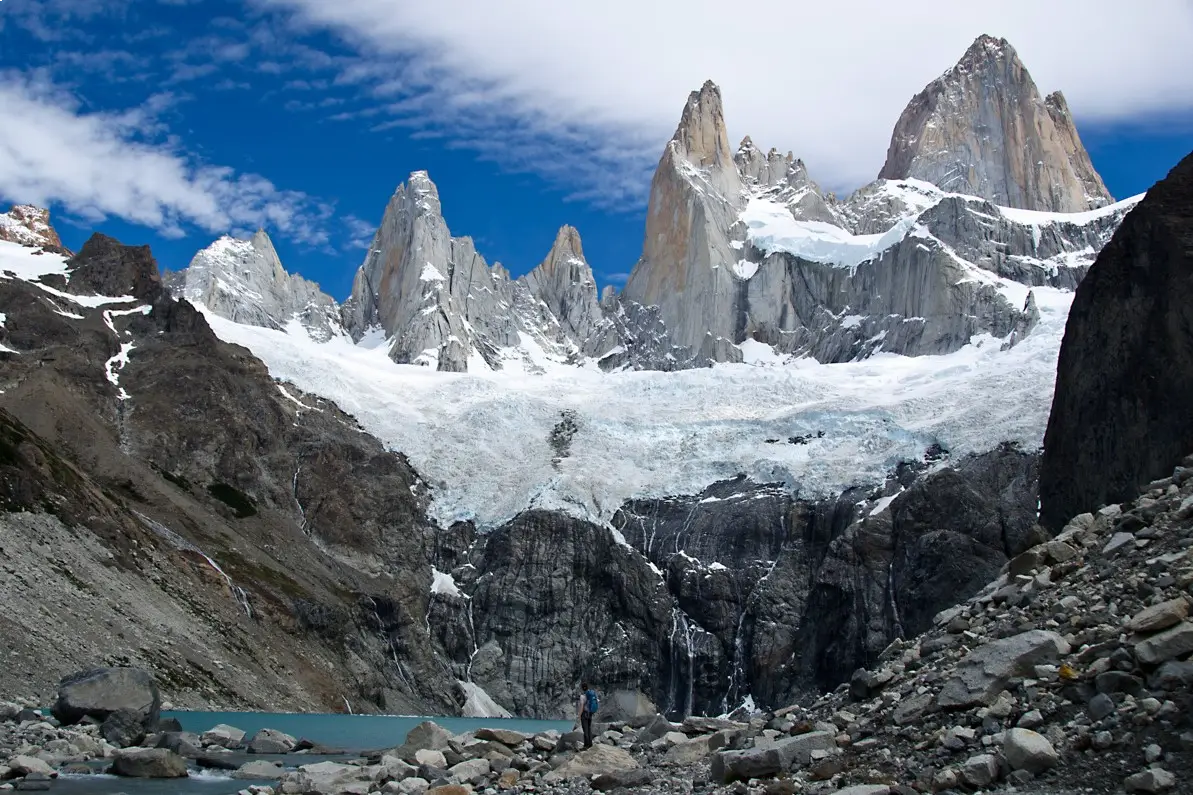
When Is the Best Time to Visit Patagonia?
In Patagonia the traditional peak season runs from December to February when daylight hours are longest, weather conditions are more stable, and tourism services are operating at full capacity. For many travellers, this is the obvious choice. Yet it also brings higher prices, increased visitor numbers and Patagonia’s famously fierce winds.
Travelling outside these months can offer a very different experience.
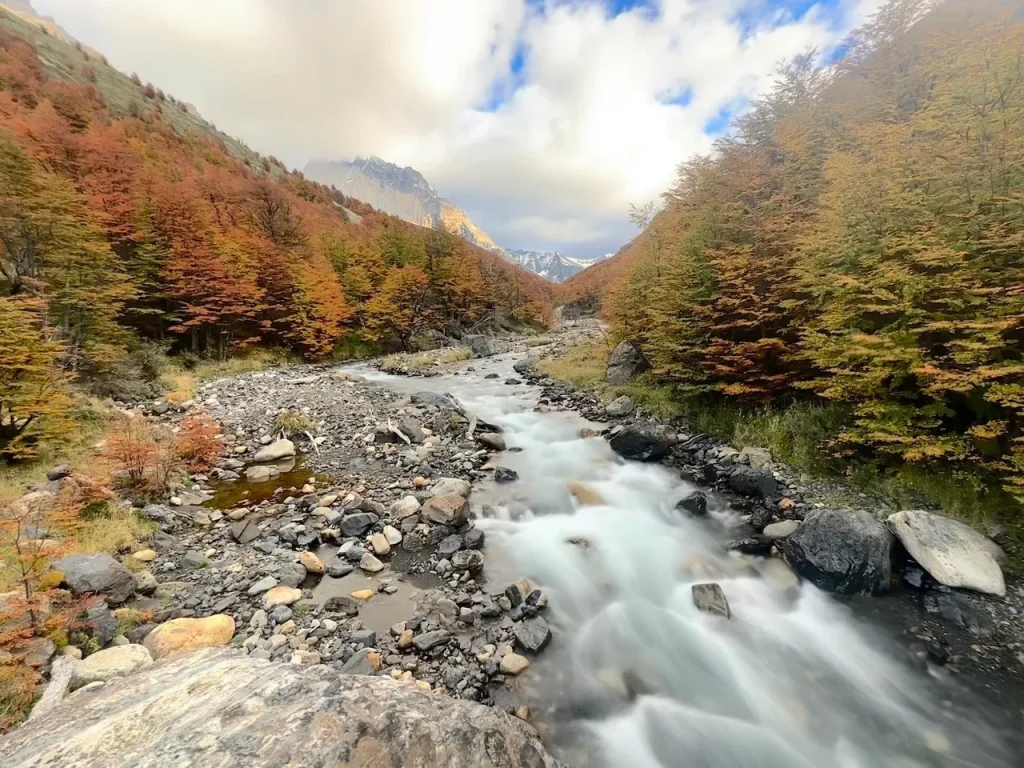
March, April and early May bring Patagonia’s autumn. Forests turn shades of red, orange and gold, visitor numbers decline dramatically, and hiking trails become noticeably quieter. Temperatures begin to cool, but the scenery is often at its most spectacular.
Spring, from September to November, offers another excellent alternative. Days lengthen, temperatures gradually rise and wildflowers begin to emerge across the landscape. Wildlife activity also increases, making it a particularly rewarding time for nature enthusiasts.
Whenever you choose to visit, it is important to understand that Patagonia’s weather remains unpredictable. It is entirely possible to experience sunshine, rain, strong winds and even snow within a single day. Rather than fighting the conditions, Patagonia rewards travellers who allow plenty of time and embrace the fact that nature is firmly in control here.
“Autumn is genuinely underrated here. Fewer people, quieter trails, and the colours in the forests are honestly some of the best I’ve seen anywhere.” — Sinead, Chile & Argentina Specialist. Read more on Sinead’s trip to Patagonia in the autumn here.
Discover the best of Patagonia on our Patagonia Highlights Holiday (16 days from £4,185pp)
Where should I go in Patagonia for a first trip?
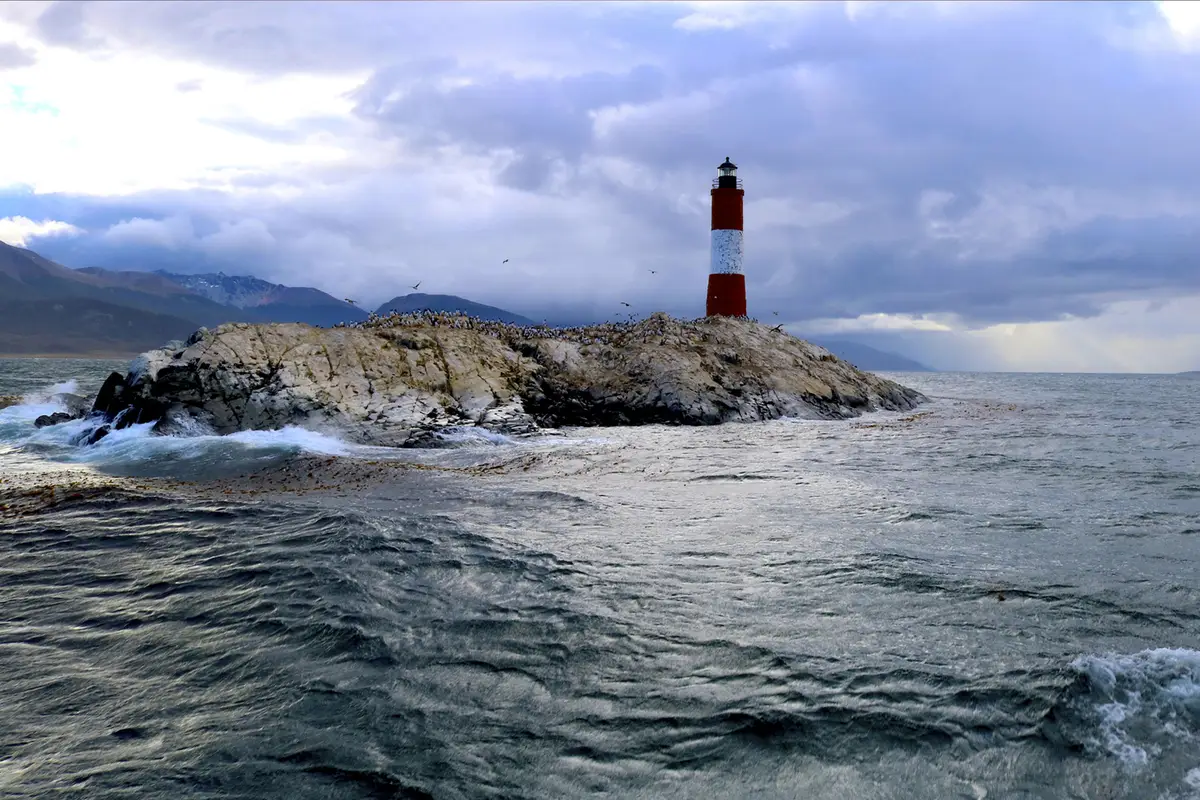
For a first trip to Patagonia, many of our guests combine Torres del Paine National Park in Chile with El Calafate, Perito Moreno Glacier and El Chaltén in Argentina. Those with more time may also explore the Carretera Austral, Tierra del Fuego or lesser-known wilderness areas for a quieter experience.
Our Patagonia Active Adventure Holiday ticks all the boxes for a first time trip to Patagonia. (20 days from £6,056pp)
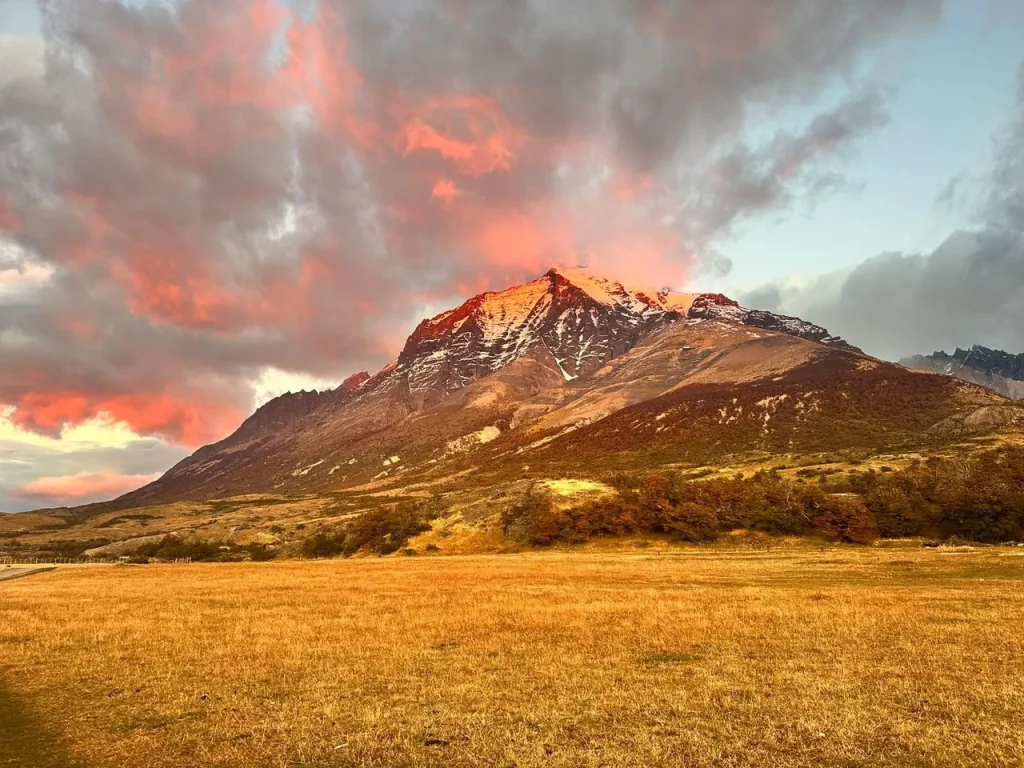
Patagonia’s Growing Popularity
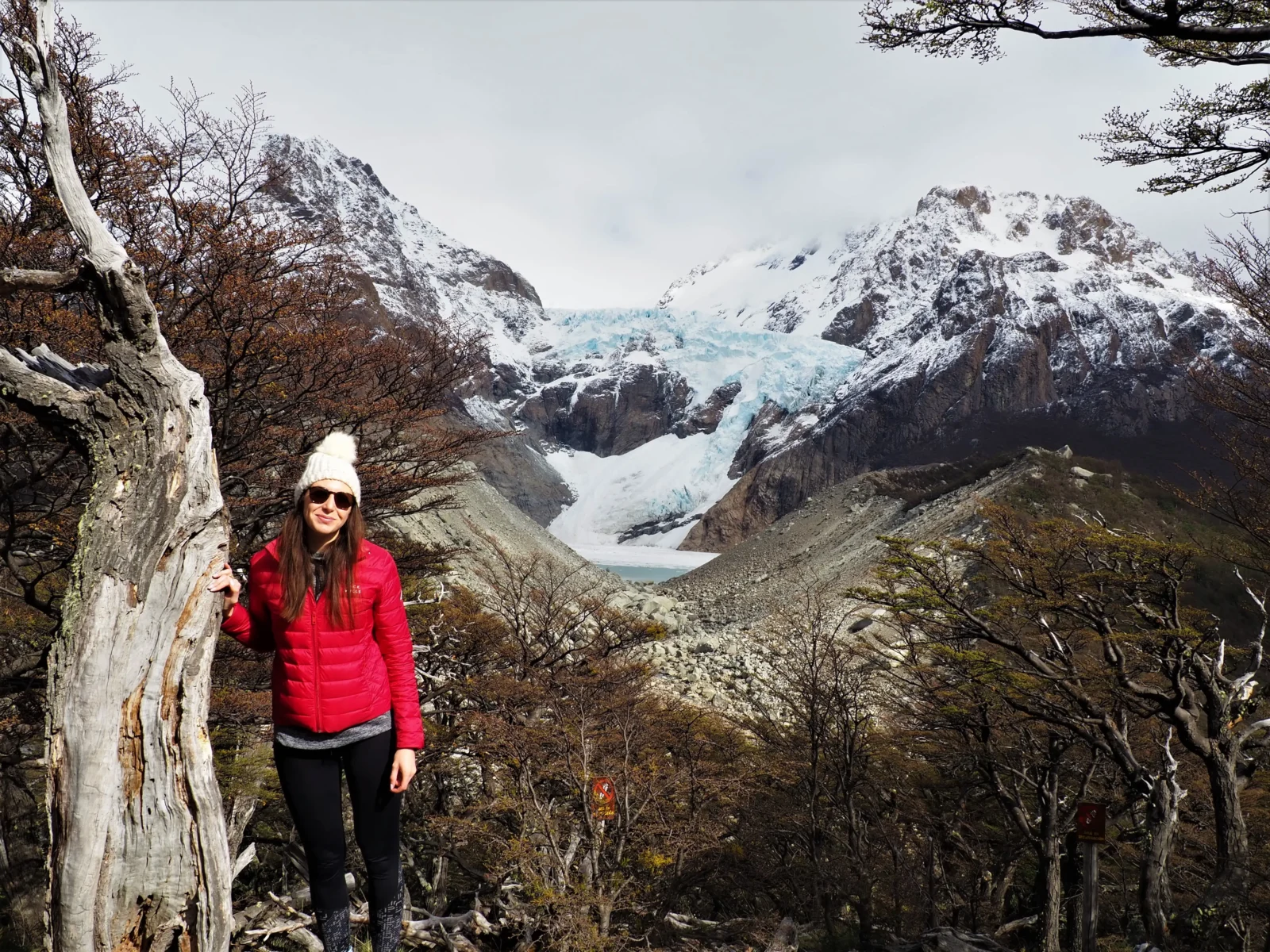
Each year, visitor numbers peak sharply in January and February as travellers flock to experience iconic sites in Torres del Paine National Park in Chile and the magnificent Perito Moreno Glacier in Argentina. These sites are undoubtedly worthy of their reputation and remain highlights of any Patagonia itinerary.
However, the concentration of visitors during a short summer season can place significant pressure on local infrastructure and fragile ecosystems. Popular hiking routes can become crowded, particularly during the height of the austral summer.
Fortunately, Patagonia remains vast. Beyond the famous viewpoints and trekking routes lies an enormous wilderness that is still relatively unexplored. While certain hotspots can feel busy during peak season, it is entirely possible to experience a quieter, more authentic Patagonia if you choose to Travel Differently and travel with purpose.
Slow Down and Explore Beyond the Icons
While Torres del Paine and Perito Moreno are incredible destinations, Patagonia’s true magic often lies beyond its most photographed locations.
This is a region of extraordinary scale. Vast stretches of wilderness, remote valleys, little-known hiking trails and wildlife-rich landscapes exist far beyond the main tourist circuits. You could spend years exploring Patagonia and still discover new corners of the region.
If you’re travelling during peak season or simply want the best chance of favourable hiking conditions, consider building an itinerary that allows you to slow down rather than rushing between highlights. Spending longer in fewer places not only creates a more immersive experience but also helps spread the benefits of tourism beyond the busiest hotspots.
Discover Patagonia in a slower, more immersive way. See the highlights as well as hidden gems away from crowds on our Slow Travel Patagonia Holiday. (24 days from £5,589pp)
Planning and Logistics
Before booking, it is important to understand that Patagonia requires flexibility and patience. Distances are significant. Travelling between highlights often involves long drives or domestic flights, and accommodation options in remote areas can be limited.
Rather than attempting to see everything, focus on creating an itinerary that balances exploration with downtime. The landscapes themselves are often the highlight, and some of the most memorable moments occur when you simply pause to absorb your surroundings.
Responsible Travel in Patagonia
One of the most effective ways to have a positive impact while travelling in Patagonia is through the accommodation and the suppliers you choose.
Here at Travel Differently, we partner with locally owned lodges, guesthouses and hotels that employ local staff, source products from nearby communities and actively support conservation initiatives. These businesses often provide a more authentic experience while ensuring tourism revenue remains within the destination.
By supporting local operators, guides and accommodation providers, travellers can help ensure that tourism contributes directly to local livelihoods and the long-term protection of Patagonia’s remarkable natural environment.
Speak to our experts about how best to travel responsibly and sustainably in Patagonia.
Respecting Patagonia Park Regulations
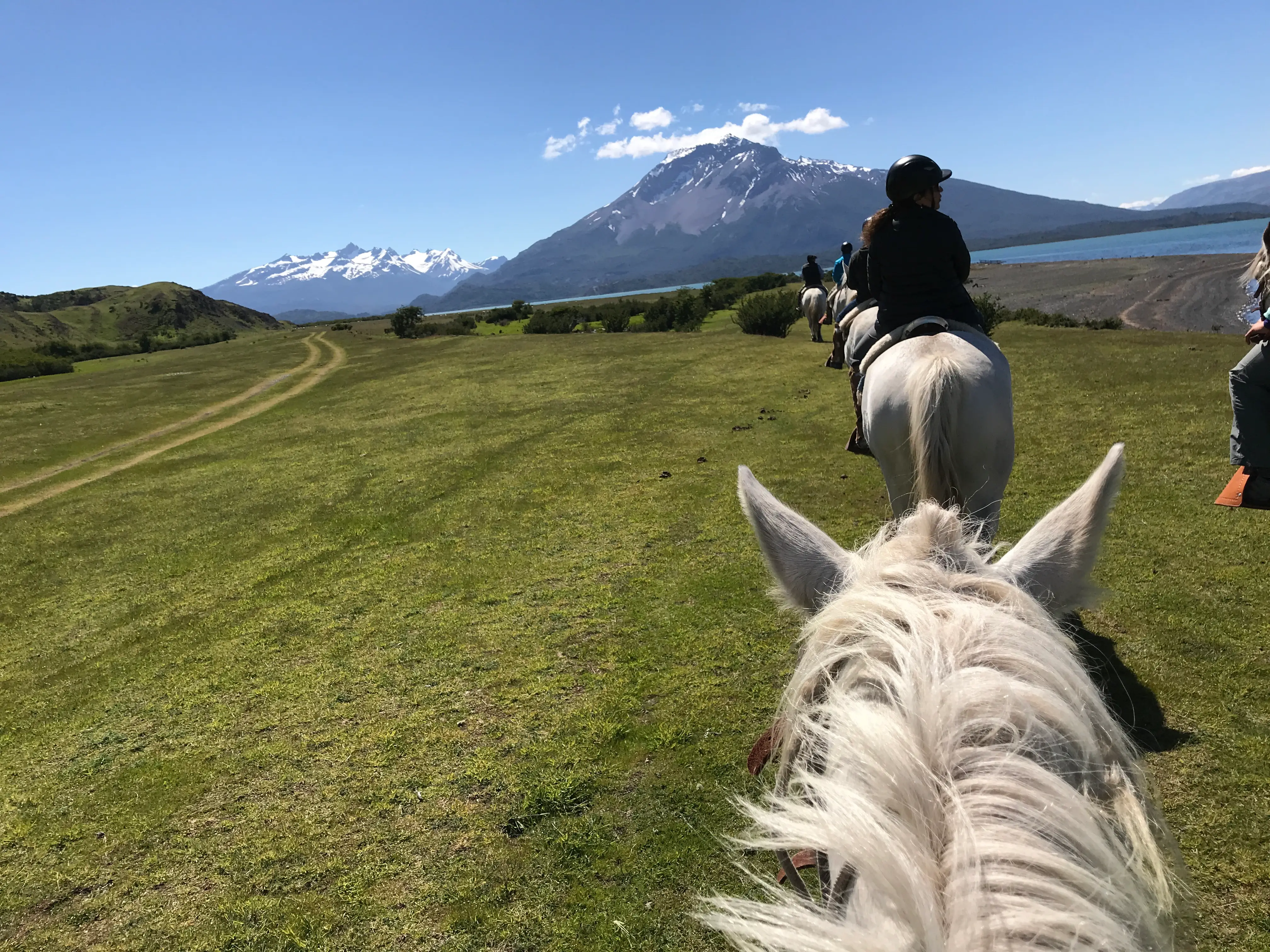
Patagonia’s ecosystems are fragile, so stay on marked trails and designated paths, avoid disturbing wildlife, and never remove or damage natural resources. Photographers should also respect the local culture and seek permission before taking pictures. It’s also important to take all rubbish with you and follow park rules and regulations.
Our best holidays to Patagonia
- Patagonia In-Depth Slow Travel Holiday – Self-drive the Carretera Austral. One of South America’s most spectacular road trips, the Carretera Austral winds through a landscape of glaciers, forests, turquoise rivers and isolated communities in Chilean Patagonia. (24 days from £5,589pp)
- Patagonia Wilderness and Wildlife holiday – Combine glaciers, pumas and wilderness hiking. Crossing between Chile and Argentina, this journey showcases Patagonia’s most remarkable wildlife and landscapes. (18 days from £7,616pp)
- Patagonia Active Adventure – Take on the ultimate Patagonia walking adventure. For keen hikers, few destinations compare. Multi-day treks, remote trails and ever-changing mountain scenery. (20 days from £6,056pp)
So, Is Patagonia worth it?
If your idea of travel is standing beneath towering mountains, watching glaciers calve into icy waters, spotting wildlife in vast open landscapes and disconnecting from the pressures of everyday life, then Patagonia is absolutely worth it.
It is not the easiest destination to reach, nor is it the cheapest. The weather can be unpredictable; distances can be vast and plans occasionally need to change. Yet these challenges are part of what makes Patagonia feel so different from many of the world’s more accessible destinations.
Patagonia reminds us why we travel in the first place: to experience something extraordinary, to connect with nature on a grand scale and to discover places that leave a lasting impression long after we’ve returned home.
In a world where many destinations have become crowded and commercialised, Patagonia remains one of the few places where nature still takes centre stage.
Visit thoughtfully, travel slowly where possible, and you’ll discover that Patagonia is one of the most rewarding destinations on Earth.
Speak to our Patagonia experts about your tailor-made trip to Patagonia.
Frequently Asked Questions
Most travellers should allow a minimum of 14 nights for a well-paced Patagonia itinerary, especially if combining Chilean and Argentine Patagonia. Distances are long, weather can affect plans, and travelling slowly often leads to a more rewarding and responsible experience.
Neither side is better overall. Chilean Patagonia is known for Torres del Paine, fjords, remote roads and dramatic mountain scenery, while Argentine Patagonia is famous for Perito Moreno Glacier, El Chaltén, Fitz Roy and wide open steppe. The best itineraries often combine both.
Pack for changeable weather, even in summer. Waterproofs, windproof layers, warm clothing, comfortable walking shoes, sun protection and reusable water bottles are all important. Patagonia’s weather can shift quickly, so flexible, layered clothing is essential.
Yes, you can visit Patagonia without doing major hikes. Scenic drives, glacier viewpoints, boat trips, wildlife watching, estancia stays and gentle guided walks all offer memorable ways to experience the region without committing to challenging treks.
Patagonia can be expensive compared with many other South American destinations because of its remote location, limited accommodation, seasonal demand and long travel distances. Our Patagonia itineraries typically start from £4,000 per person for a 12–14-night journey.
In Summary
At Travel Differently, we design tailor-made journeys across Chilean and Argentine Patagonia that maximise the positive impacts of tourism while minimising the negatives. If Patagonia is on your travel wish list, we’d love to help you plan a journey that supports rather than strains this remarkable corner of South America. Contact our Patagonia experts today.
Why Book With Travel Differently
Passionate and experienced
- Each member of the team has over a decade of experience in the industry
- Our 5* client reviews reflect our service & standards
- We are a fully independent & owner-run tour operator
- Our holidays include full financial protection & ATOL coverage
- We are destination experts, ensuring authentic & reliable advice
Committed and Responsible
Tailor-made and Personal
- No two trips are the same, our holidays are 100% bespoke
- We design personal, genuine cultural connections & experiences
- From planning to travel, you’ll have one dedicated point of contact
- Our support is available around the clock during your holiday
- We take care of the details, so you don’t have to