
Patagonia Self-Drive Holiday: The Carretera Austral in Depth
24 days from £5,589 pp
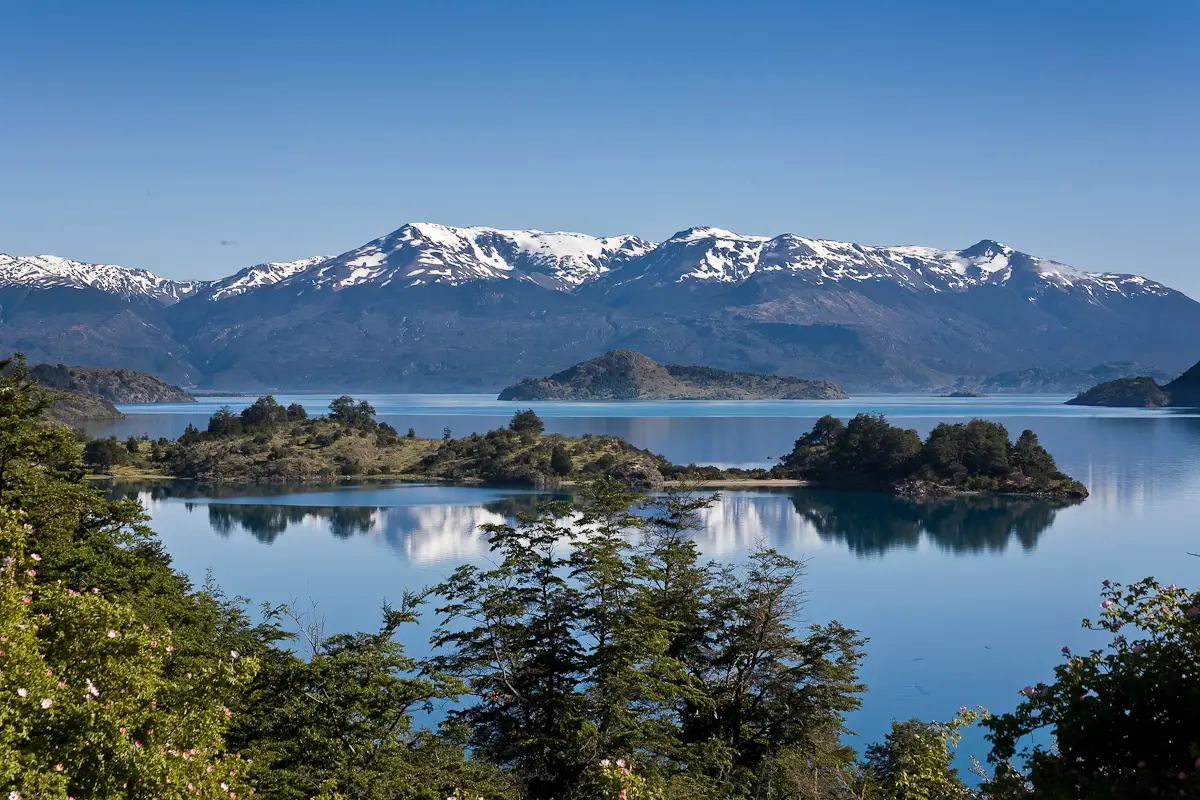
Our Patagonia Self-Drive Holiday is a 24-day tailor-made road trip along Chile’s Carretera Austral, one of the world’s great drives, from Balmaceda to Puerto Varas via Puerto Río Tranquilo, Caleta Tortel, Puyuhuapi, Futaleufú and Pumalín. You drive at your own pace, with every night pre-booked and full route notes, and local guides join you for the big days: ice-trekking on the Exploradores Glacier, rafting the Futaleufú and kayaking Lake General Carrera. Prices start from £5,589 per person, including flights within Chile, car hire, the fjord ferries and guided kayaking, ice-trekking and rafting. It’s slow travel at its best, for confident drivers who want to see wild Patagonia independently, away from the crowds.
Trip Highlights
- The freedom of a self-drive road trip along the Carretera Austral
- Ice-trek across the Exploradores Glacier with expert local guides
- Raft the turquoise Futaleufú River, famous for its whitewater
- Explore Pumalín Douglas Tompkins National Park and its ancient alerce forests
Our Expert Tip
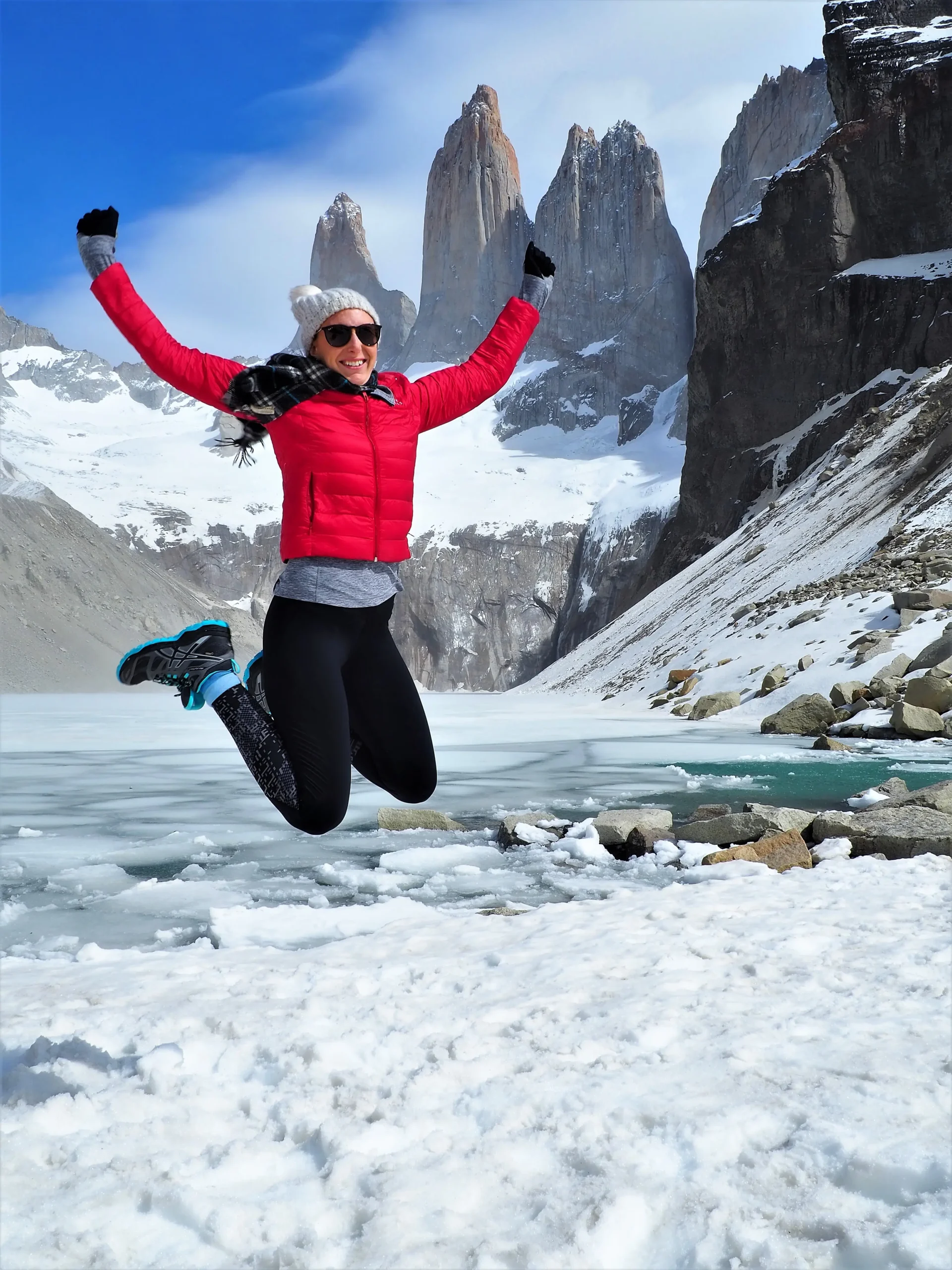
”Always allow for an extra day in your Patagonia itinerary. The weather is highly unpredictable, so having spare days gives you flexibility to reschedule activities, explore hidden gems or simply relax: the secret weapon to exploring this wild region.”
Scarlett, Patagonia Expert
Patagonia Self-Drive Itinerary: Day by Day
Day 1: Santiago
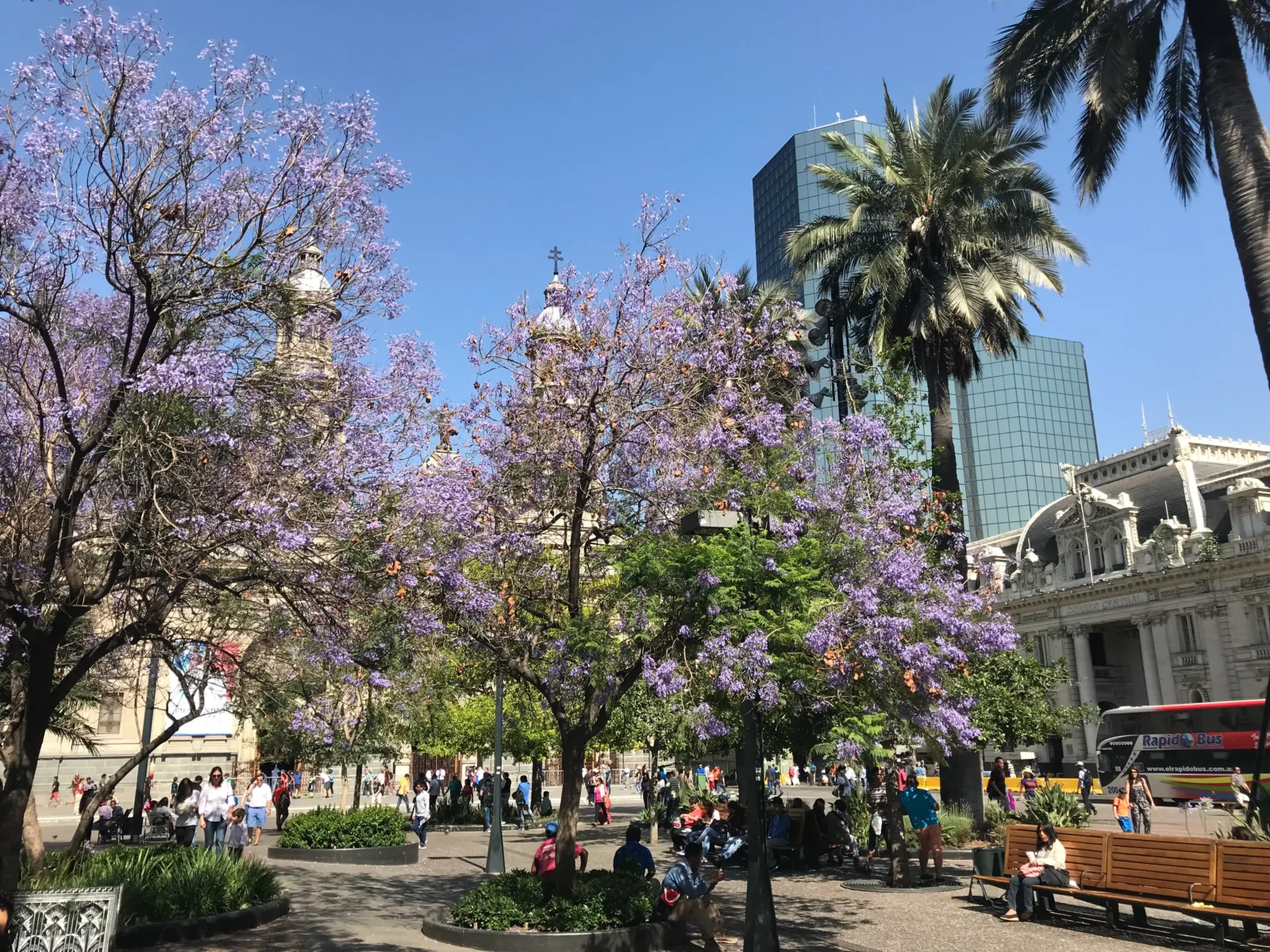
Your Patagonian road trip starts in Santiago. Check in to Rugendas Hotel Boutique in Las Condes, one of the city’s smartest neighbourhoods, and stretch your legs with an evening stroll out to dinner. If you’d like a guided tour of the city, or an extra night to get over the flight, ask our experts; it’s all possible.
Day 2-4: Puerto Río Tranquilo
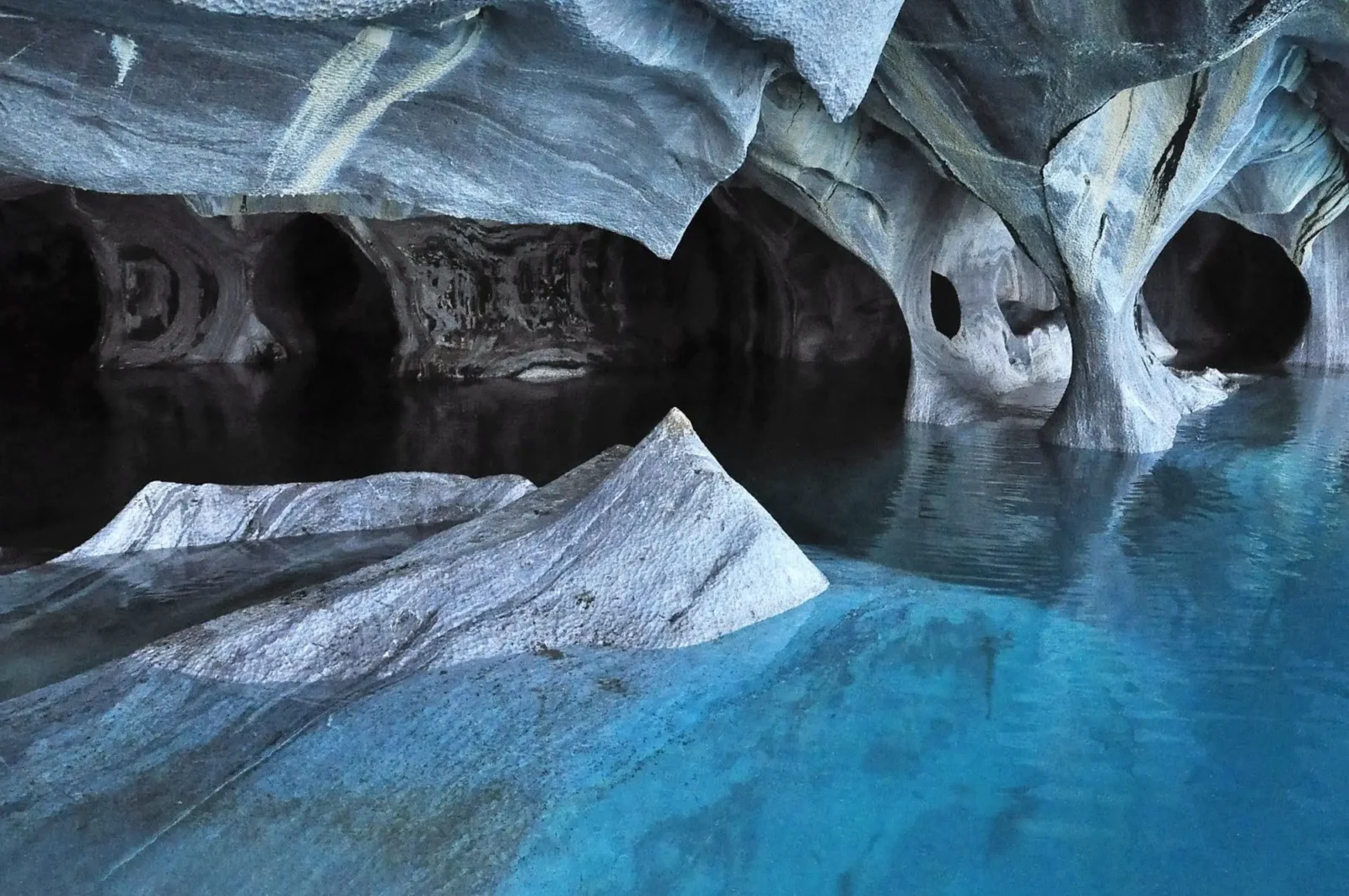
A short flight south lands you in Balmaceda, where your hire car is waiting, and from here the Carretera Austral is all yours. Three nights at El Puesto Hostal, a cosy guesthouse in Puerto Río Tranquilo, give you time for two of Patagonia’s most extraordinary sights, both with local guides: paddle by kayak into the swirling blue-and-white Marble Caves on Lake General Carrera, and spend a day out on the Exploradores Glacier, picking your way across the ice in crampons.
On the road: around three and a half hours from Balmaceda, much of it beside the lake
Day 5-6: Chacabuco Valley and the Baker River
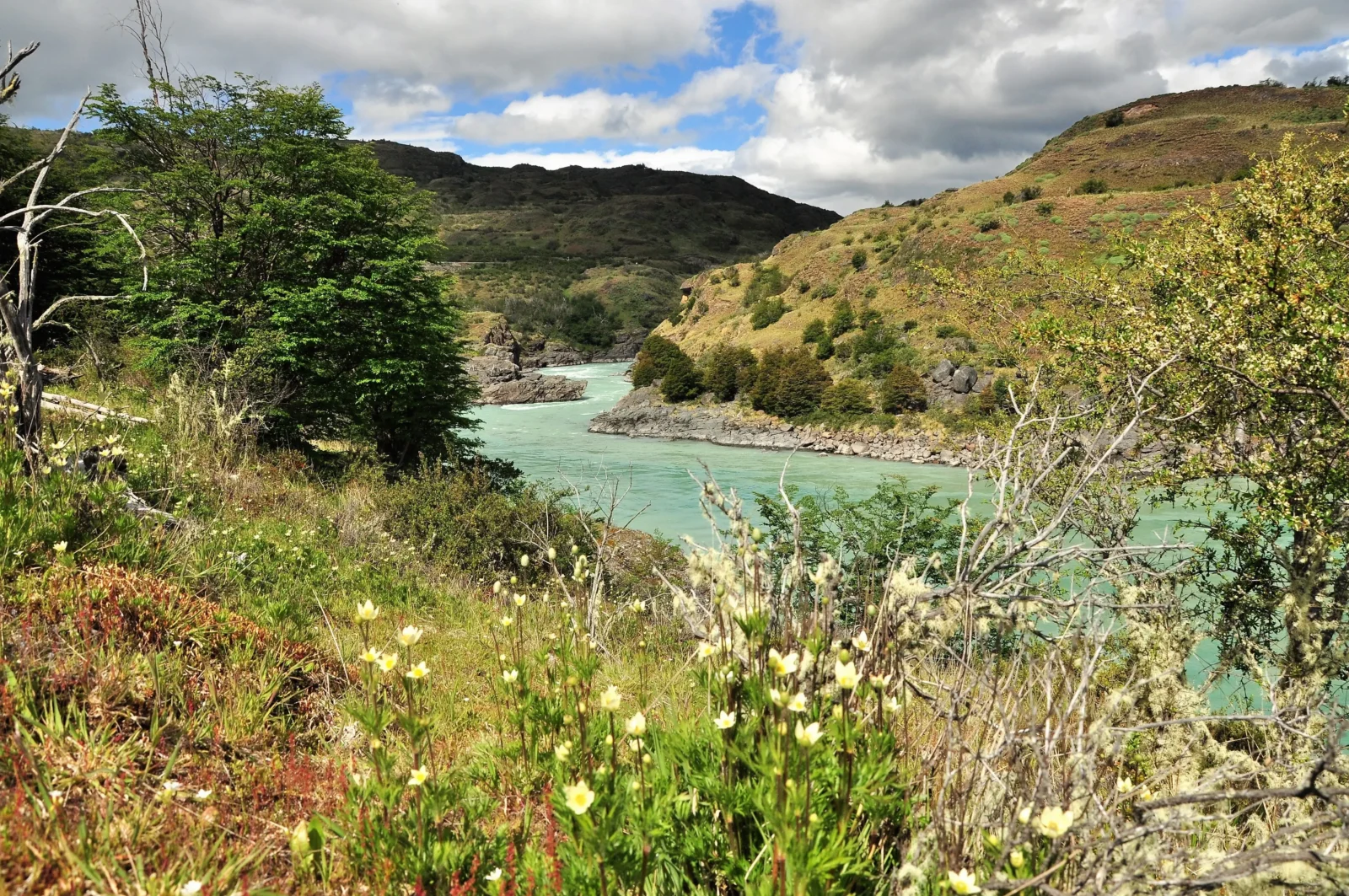
Heading south, the road follows the lake shore before climbing into the Chacabuco Valley. Once sheep-farming country, it’s now part of Patagonia National Park, and guanacos graze where the flocks used to roam. Your base is BordeBaker Lodge near Cochrane, with views over the turquoise Baker River, Chile’s largest river by volume. Feeling adventurous? Join a rafting trip down the Baker’s first rapids, starting from Lake Bertrand.
On the road: around three to three and a half hours (115 km), mostly on gravel, so take it slowly.
Day 7-8: Caleta Tortel
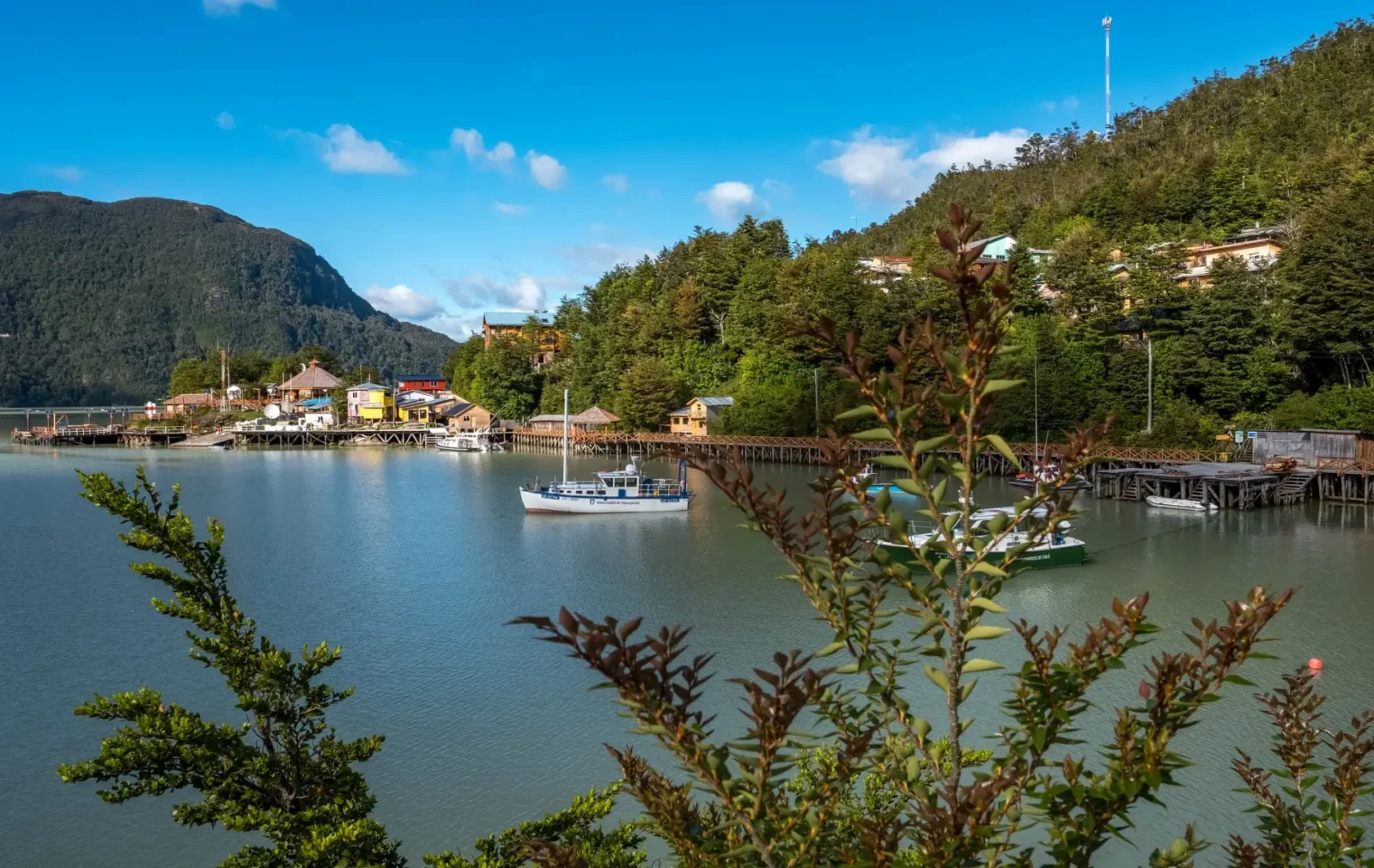
Caleta Tortel is like nowhere else we know. There are no streets here: the whole village is strung together by cypress boardwalks and stairways above the water. You’ll park at the entrance to the village and walk in to Entre Hielos Lodge, your home for two nights.
Spend a slow couple of days wandering the boardwalks, then take a boat to the Isla de los Muertos, the Island of the Dead, where 33 cypress crosses stand among the trees. Who they belong to is still debated today.
On the road: around three and a half to four hours (125 km). The last 22 km into Tortel are narrow gravel, so fill up in Cochrane before you set off.
Day 9: General Carrera Lake
Turn north again for a night at Mallín Colorado Ecolodge, tucked away above the lake. After a week of big adventures, this is your chance to slow right down: wander the forest paths around the lodge, or simply enjoy the view with a glass of Chilean red.
On the road: around three and a half hours.
Day 10: Coyhaique
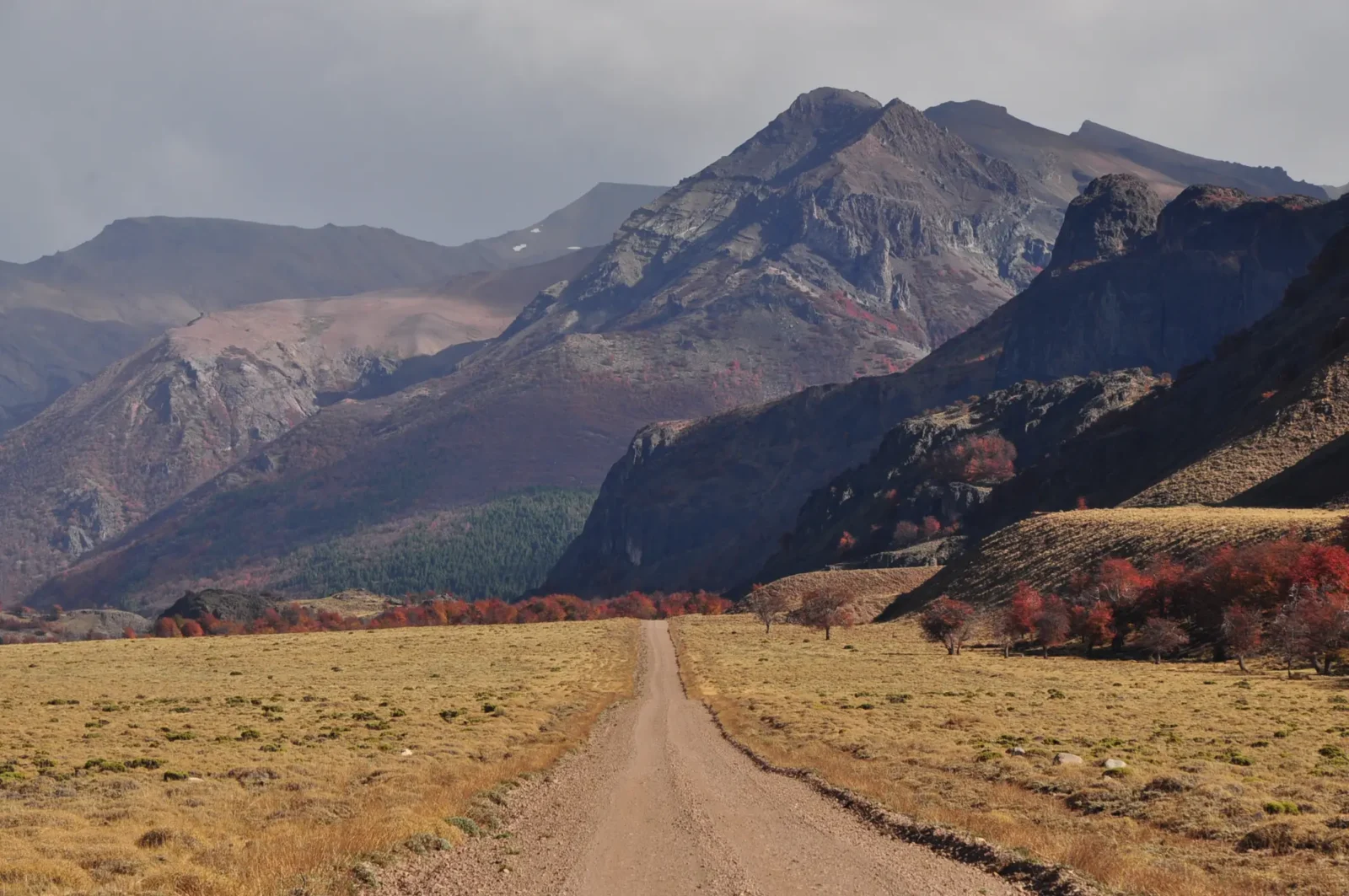
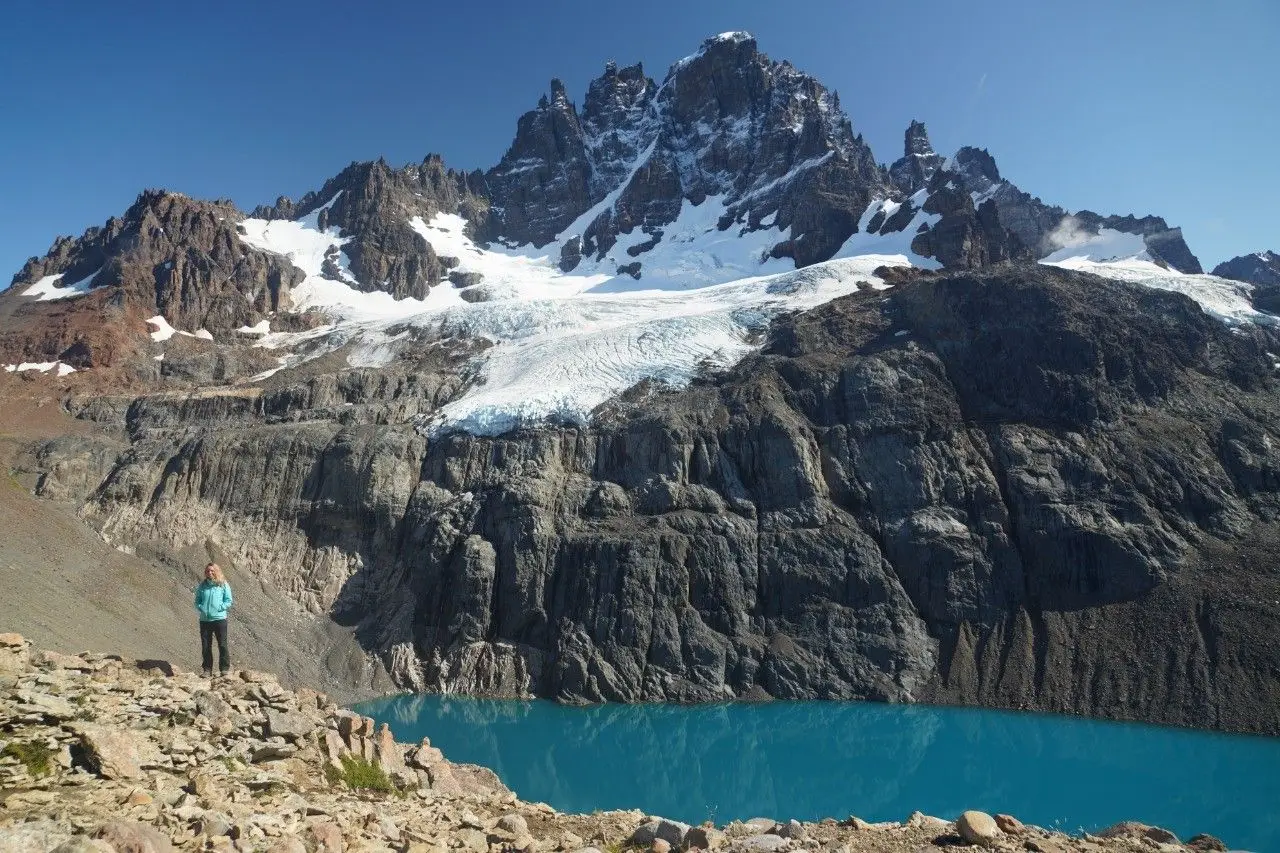
Today is the longest drive of the trip, so set off early and take your time. The road climbs past the saw-toothed peaks of Cerro Castillo, with plenty of places to pull over for photos. Tonight’s stop is Raíces Bed & Breakfast in Coyhaique, the region’s capital and the biggest town you’ll see for a while: a good moment to stock up on snacks and fill the tank.
On the road: five to eight hours, depending on stops.
Day 11-13: Puyuhuapi
North of Coyhaique, the scenery turns greener and wetter as you drive into the temperate rainforest. Leave the car at the jetty and take the short boat across the fjord to Puyuhuapi Lodge & Spa, your home for three nights, with its own outdoor thermal pools. There’s no wifi or phone signal here, which is all part of the charm.
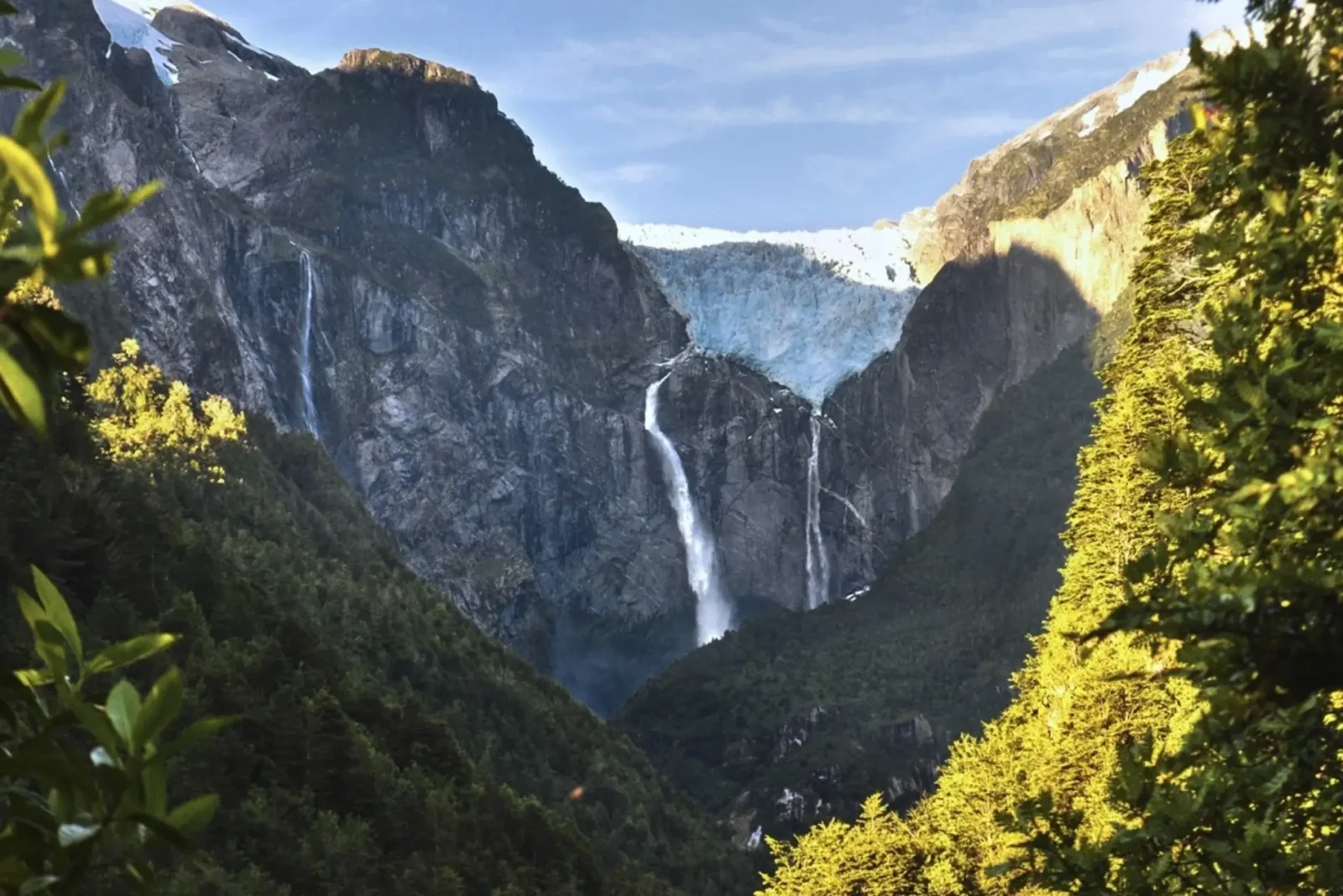
Queulat National Park is close by: a top Travel Differently tip is to walk the Mirador Ventisquero Colgante trail for the view of the Hanging Glacier spilling over the cliff edge, then come back for a long soak in the hot pools.
On the road: around four and a half to five and a half hours (220 km), a mix of paved and gravel. Fill up in Coyhaique.
Day 14-15: Futaleufú
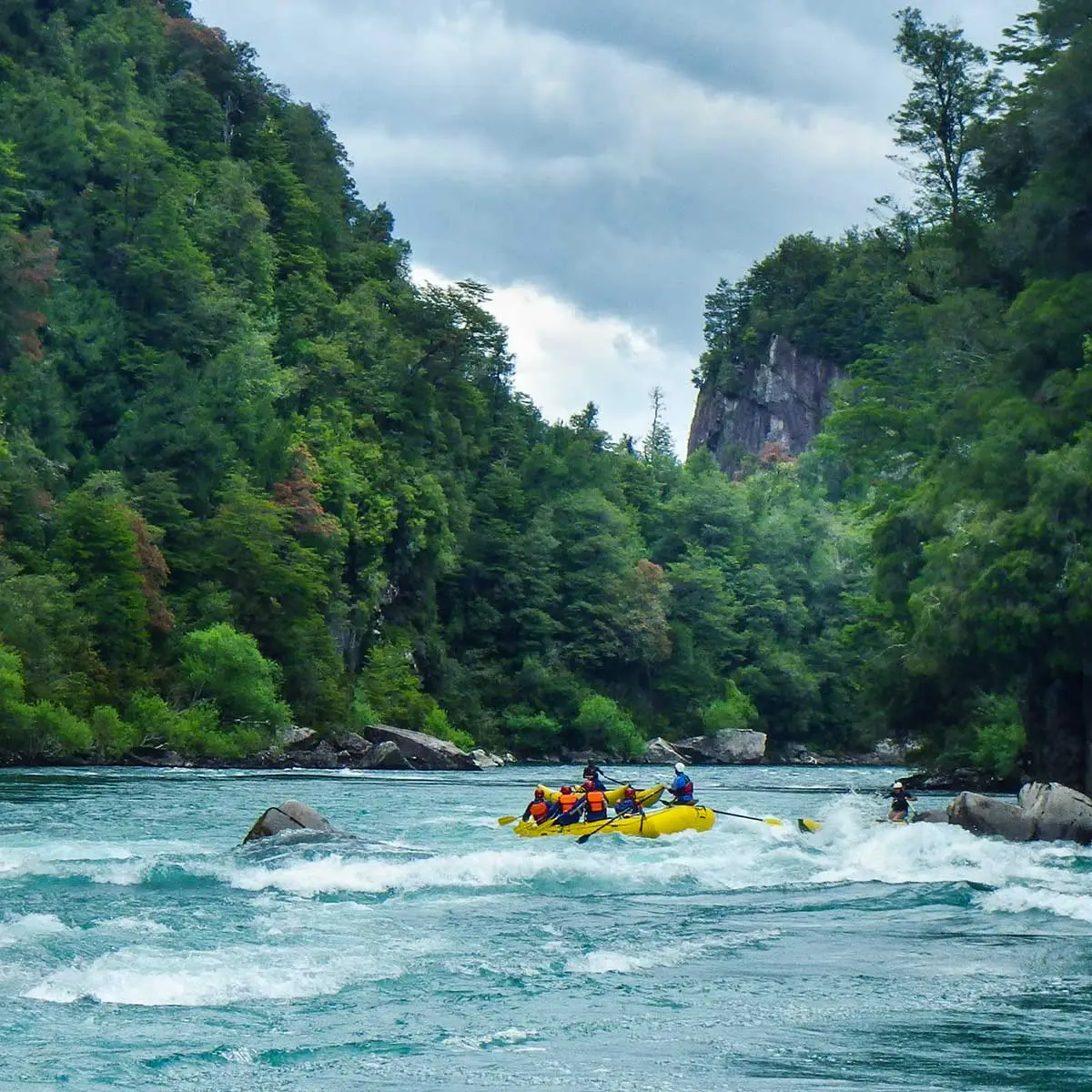
The drive to Futaleufú is remote and beautiful, and the town at the end of it is Patagonia’s adventure base. Stay at Peuma Lodge, with its wooden cabins among the trees. Rafters come from all over the world for the Futaleufú River, and its famous Bridge to Bridge section, with Class III to IV+ rapids, is a real thrill (you’ll need to be able to swim).
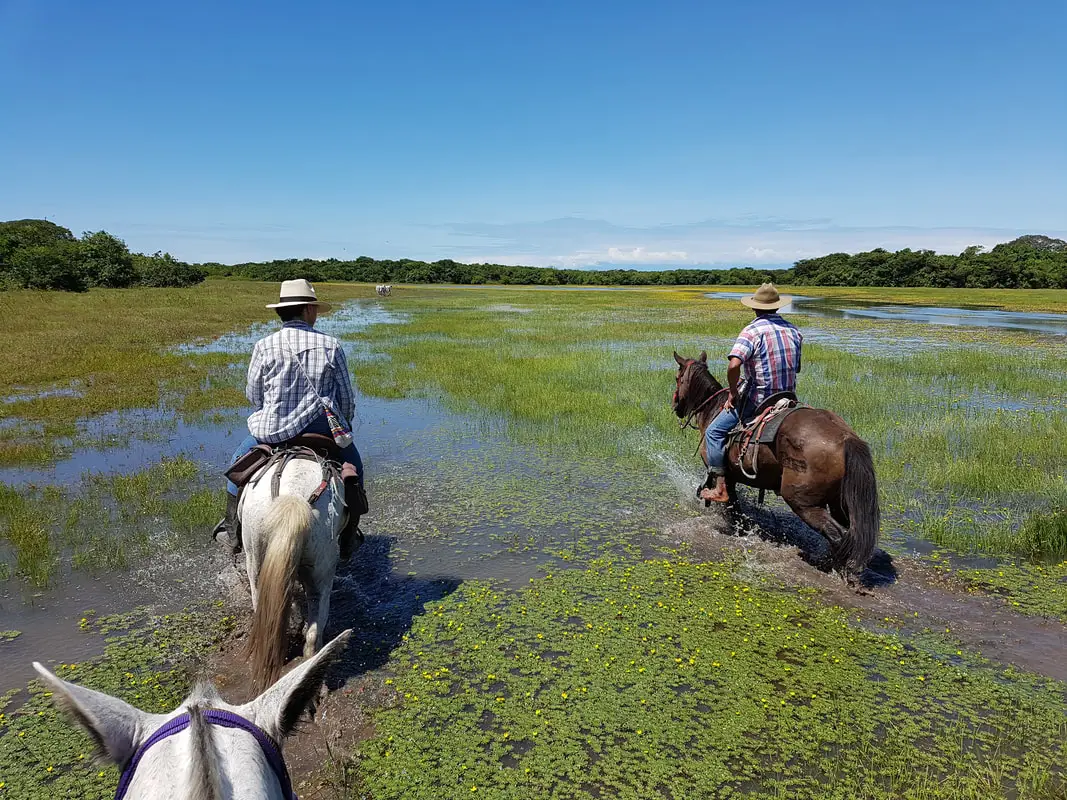
Prefer to keep your feet dry? Ride out into the valley on horseback, follow a mountain trail, or try fly-fishing with a local guide.
On the road: around five and a half to six and a half hours (230 km), mostly gravel.
Day 16-18: Caleta Gonzalo
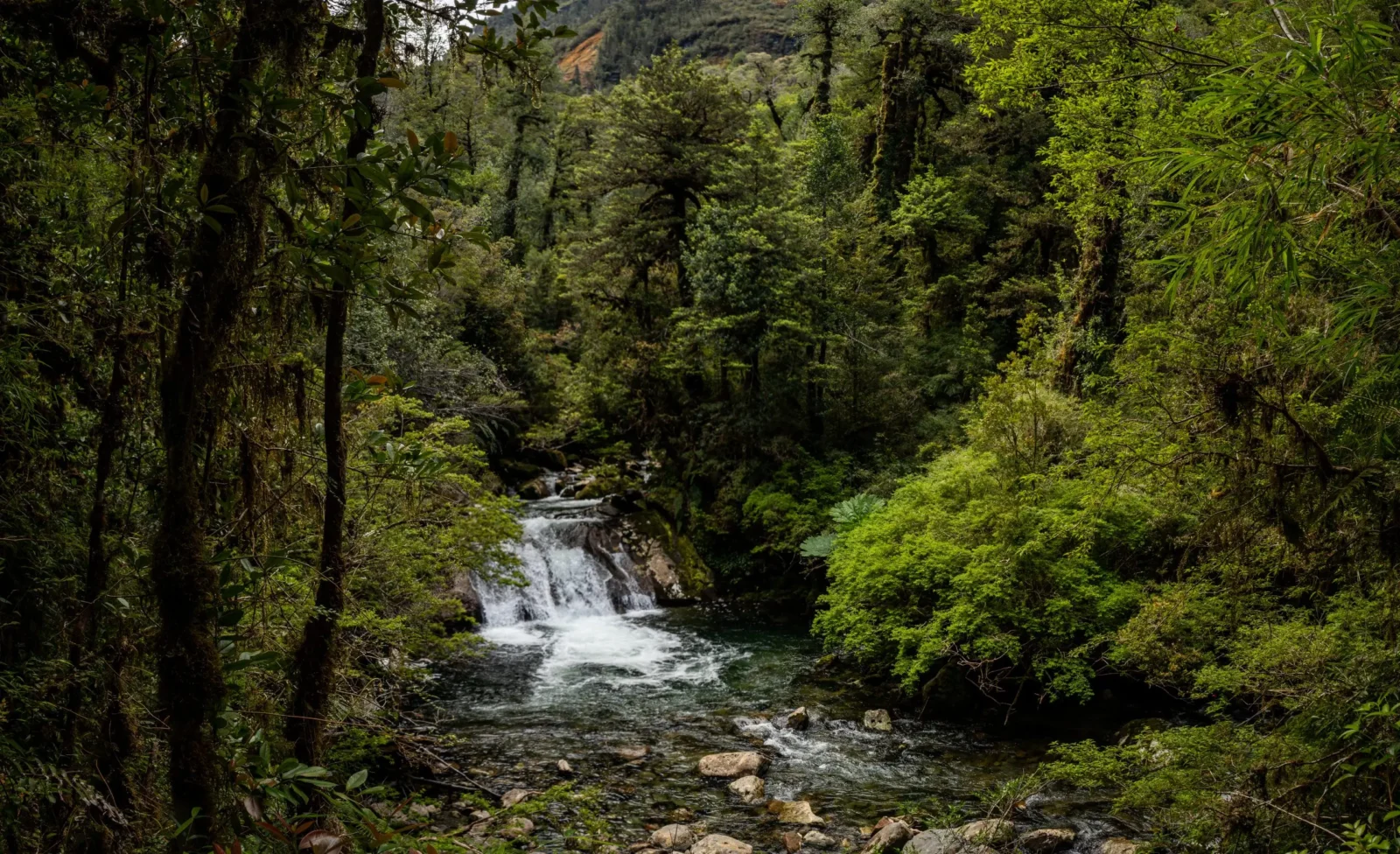
Head west to Pumalín Douglas Tompkins National Park, created by conservationists Douglas and Kristine Tompkins and now one of Chile’s national parks. You’ll stay in a cosy cabin at Caleta Gonzalo Lodge, on the edge of the fjord inside the park, with trails right outside the door. Climb Chaitén Volcano, still steaming after its 2008 eruption, walk to waterfalls hidden in the forest, and stand beneath alerce trees that have been growing for thousands of years. Kayaking and wildlife watching are on offer too.
On the road: around five to six hours (150 km), mostly gravel, with very few services, so stock up before you leave.
Day 19: Hornopirén
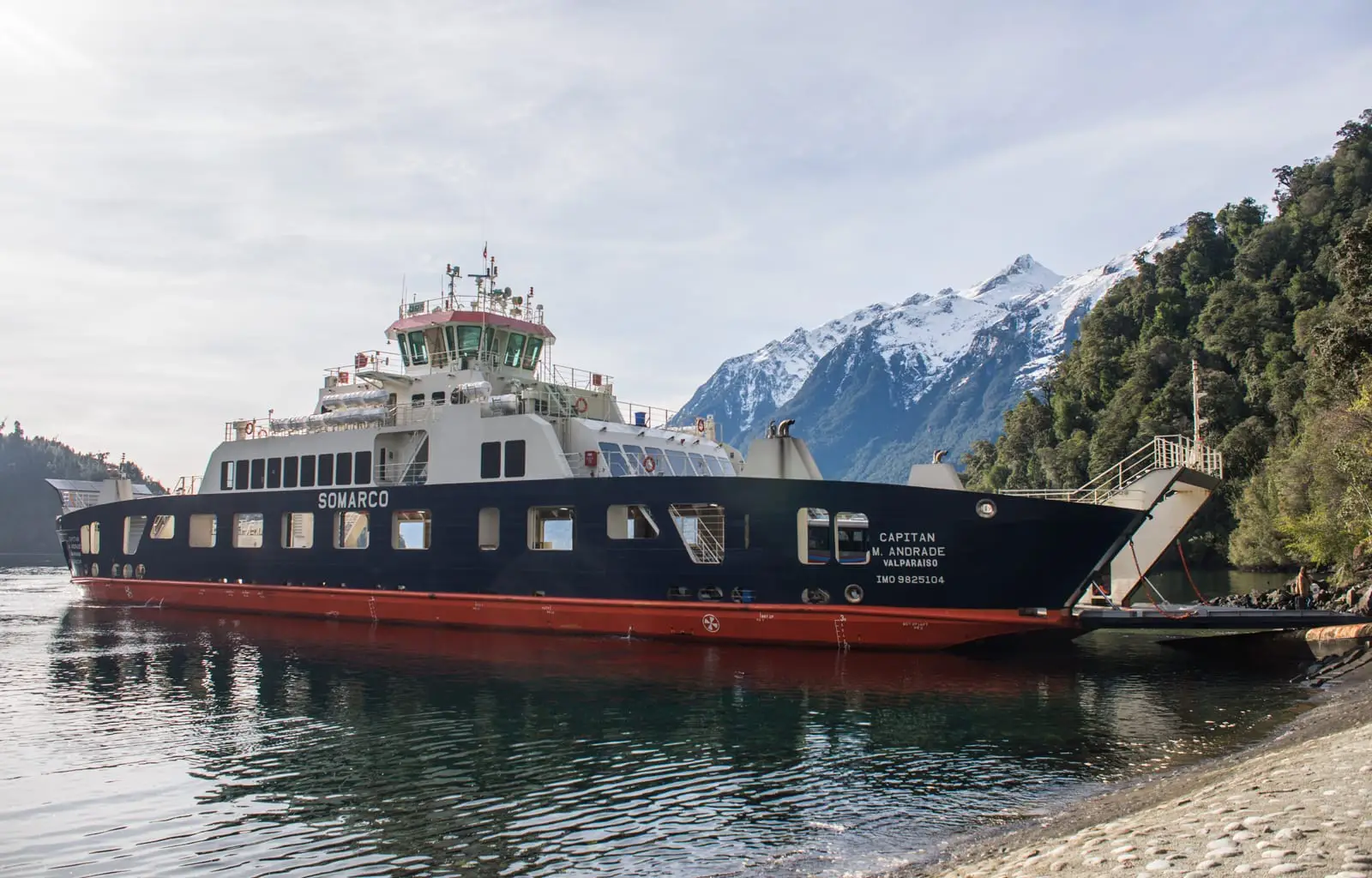
Today the road runs out, and your journey continues by sea. A short ferry hop across the fjord is followed by a ten-minute drive to the second, longer crossing: around three and a half hours through the fjords to Hornopirén, as forested slopes and snowy summits slide past the deck. Sailings depend on the tides and weather, so we’ll send you the times and build in plenty of slack. Spend the night at Hostería Catalina, a simple, welcoming guesthouse.
On the road: two short drives between the ferries; allow most of the day, including arriving at the pier two hours before departure.
Day 20-22: Puerto Varas
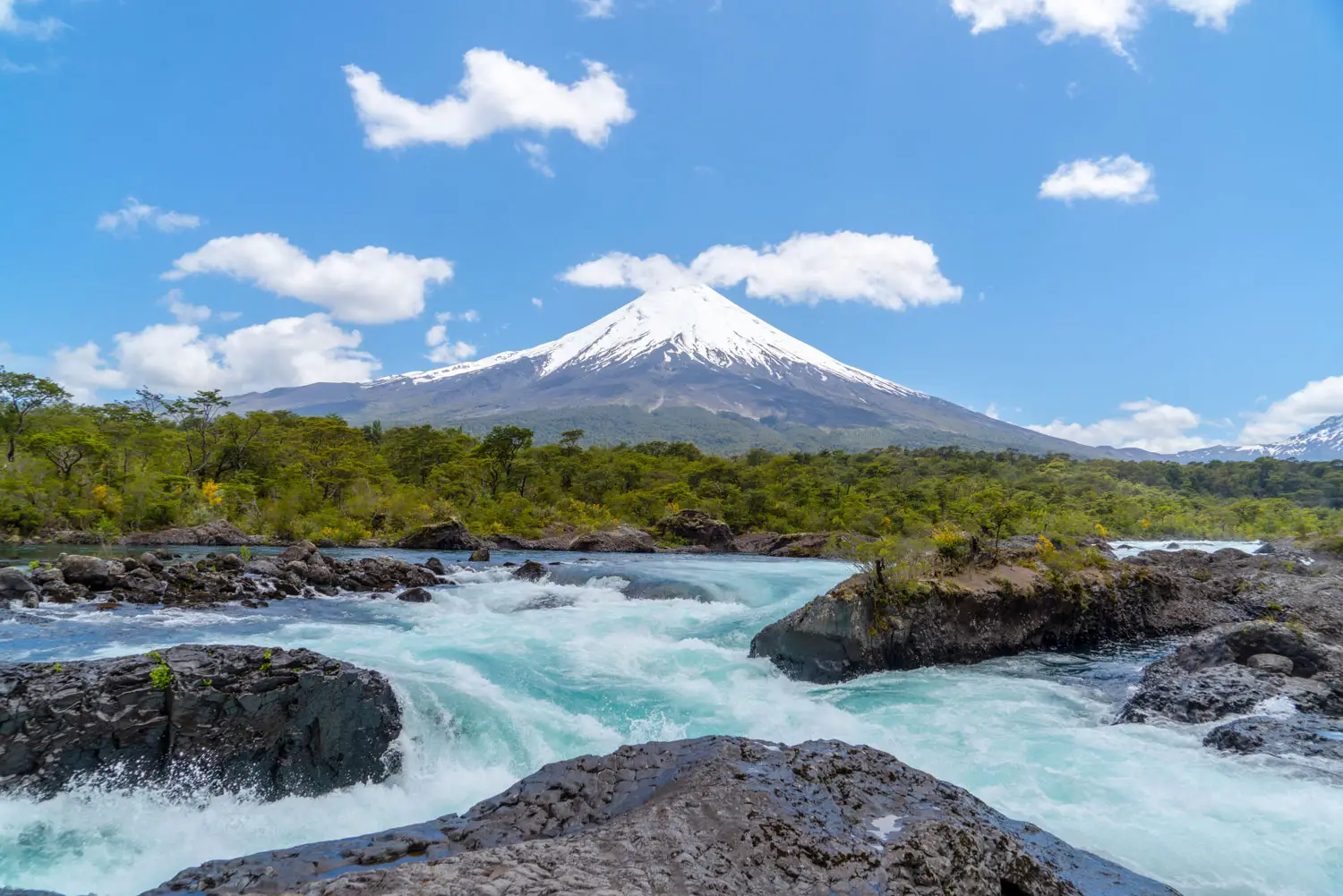
The last leg brings you into Chile’s Lake District, with one more short ferry hop on the way, and on to Puerto Varas. Your hotel, Hotel Cabaña del Lago, looks out across Lake Llanquihue to Osorno, a near-perfect volcanic cone, and has a pool and hot tub for tired legs.
Spend your three days as you like: cross to the island of Chiloé for its wooden churches and folklore, hike the lower slopes of Osorno itself, or follow the forest trails of Vicente Pérez Rosales National Park to the rushing Petrohué Falls.
On the road: around three hours, including the 30-minute ferry from Caleta Puelche to Caleta La Arena, paid on arrival.
Day 23-24: Santiago
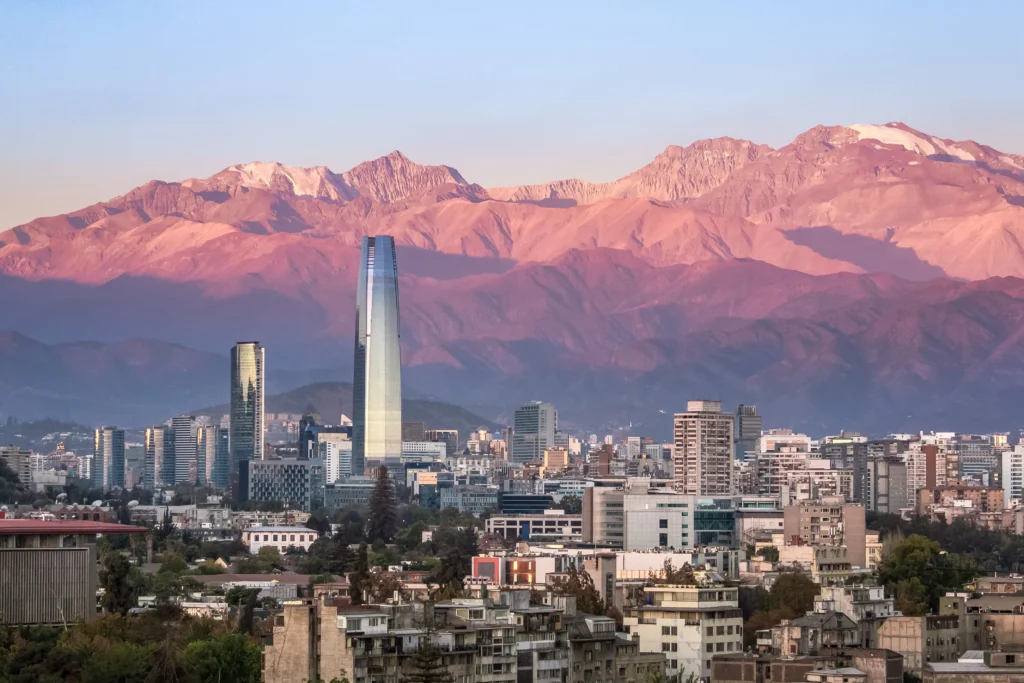
Your road trip ends at Puerto Montt airport, where you hand over the car before the short flight back to Santiago and a last night at Rugendas Hotel Boutique. Spend your last day eating well, visiting the moving Museum of Memory and Human Rights, or simply resting after your adventure. If you’d like longer, we can add nights in the city or a few relaxing days at Matetic Vineyard, an hour away. See our top wine holidays.
When to Go
Best time for a Patagonia self-drive holiday
The best time for this road trip is November to March, when the Carretera Austral is at its most accessible and the ferries and lodges are running. December to February brings the warmest weather and the longest days, and is the main season for rafting the Futaleufú. October and April are quieter, with spring flowers or autumn colours. From May to September, snow, short days and seasonal closures make the route difficult.
Why Book With Travel Differently
Passionate and experienced
- Each member of the team has over a decade of experience in the industry
- Our 5* client reviews reflect our service & standards
- We are a fully independent & owner-run tour operator
- Our holidays include full financial protection & ATOL coverage
- We are destination experts, ensuring authentic & reliable advice

Committed and Responsible
Tailor-made and Personal
- No two trips are the same, our holidays are 100% bespoke
- We design personal, genuine cultural connections & experiences
- From planning to travel, you’ll have one dedicated point of contact
- Our support is available around the clock during your holiday
- We take care of the details, so you don’t have to
Need More Inspiration?
Want to combine multi-countries, take less flights, or include a hike in Patagonia? Thinking of a longer sabbatical holiday, or staying in some luxury yurts? It’s all possible; all our holidays are tailor-made with a focus on responsible travel. Take a look at more ideas below, and contact our experts.