

Best Places to Hike in Peru: Spectacular Treks from the Inca Trail, Salkantay, Ausangate & More
Considering hiking in Peru? From the legendary Inca Trail to the sacred slopes of Ausangate Mountain, exploring the glorious landscapes of this South American gem is a common inclusion on many bucket list holidays to Peru.
However, between the stealthy selection of route options, significant altitude changes, and fluctuating temperatures, there is a lot to consider when planning such an adventure. In this article, we share a complete guide to hiking holidays in Peru to help you create the most magnificent adventure in this remarkable part of the world.
Best Places to Hike in Peru: Spectacular Treks from the Inca Trail, Salkantay, Ausangate & More
Best Places to Hike in Peru
Peru offers some of South America’s most spectacular and remarkable hiking routes, from the classic Inca Trail to remote treks in the Cordillera region. The best hikes in Peru for most travellers are:
- 1. Inca Trail
- 2. Salkantay Trek
- 3. Ausangate Circuit
- 4. Cordillera Blanca
- 5. Cusco and surrounding area
- 6. Colca Canyon and Arequipa
Quick Summary
Peru is one of South America’s best destinations for hiking, with routes ranging from lower-altitude Sacred Valley walks to more challenging high-Andean treks such as the Inca Trail, Salkantay, Ausangate and Rainbow Mountain. Choosing the best hike for you our guests is really important, and will depend on fitness levels, altitude experience, time frames and interests (culture, scenery or ancient sites for example). This guide gives you our expert insight on the top routes, practical things to consider, responsible travel guidance and expert tips for the most rewarding walking holiday in Peru.
1. Cusco and the Surrounding Area
The city of Cusco in southeastern Peru is widely recognised as one of the best bases for trekking in South America. This region offers a diverse range of trails, catering to everyone from novice hikers to seasoned enthusiasts seeking high-altitude challenges.
The landscape is amazing, encompassing snow-capped mountains, glacial lagoons and high jungles.
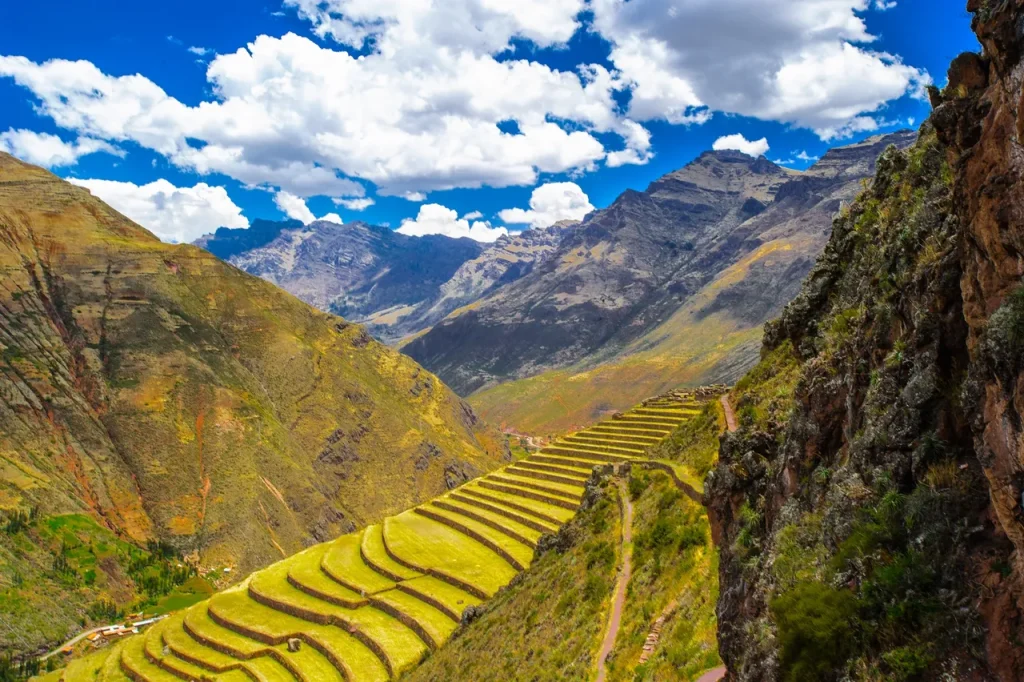
Sacred Valley is one of the best areas to start in while hiking in Peru as it offers incredible scenery and has one of the lowest altitudes. You can read more about what to do in The Sacred Valley here.
Afterwards, you can move onto tackling the tougher routes such as Salkantay or the Inca Trail to Machu Picchu. Then, you may wish to cap off your hiking trip in Peru by ticking off the legendary Rainbow Mountain, or – even better – the lesser know Ausangate Trail. Our Peru Active Adventure holiday includes time in the Cusco region to get your hiking boots on and get active.
2. The Cordillera Blanca
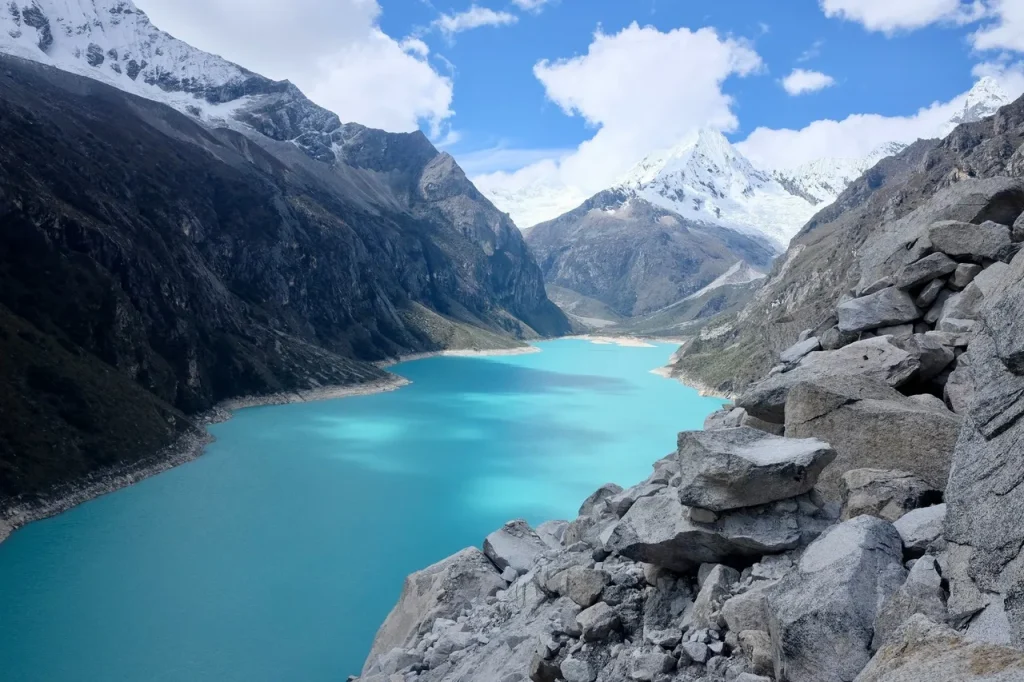
When it comes to hiking in Peru, the hidden gems can be found in Huaraz. This city is located deep in the Andes Mountain range and has the spectacular snow-capped peaks of the Cordillera Blanca range forming its dramatic eastern skyline.
You’ll find walks for those of all skill levels here, including everything from one-day treks to week-long expeditions. The Cordillera Blanca range boasts excellent hiking trails and an incredible landscape. In fact, it is the most extensive tropical ice-covered mountain range in the world.
While there is a wide range of route options available, the range of high-altitude trails and the extreme weather conditions make this region particularly popular amongst experienced hikers. With altitudes soaring beyond 19,680 feet at times, it promises a thrilling adventure for confident trekkers.
3. Arequipa & Colca Canyon
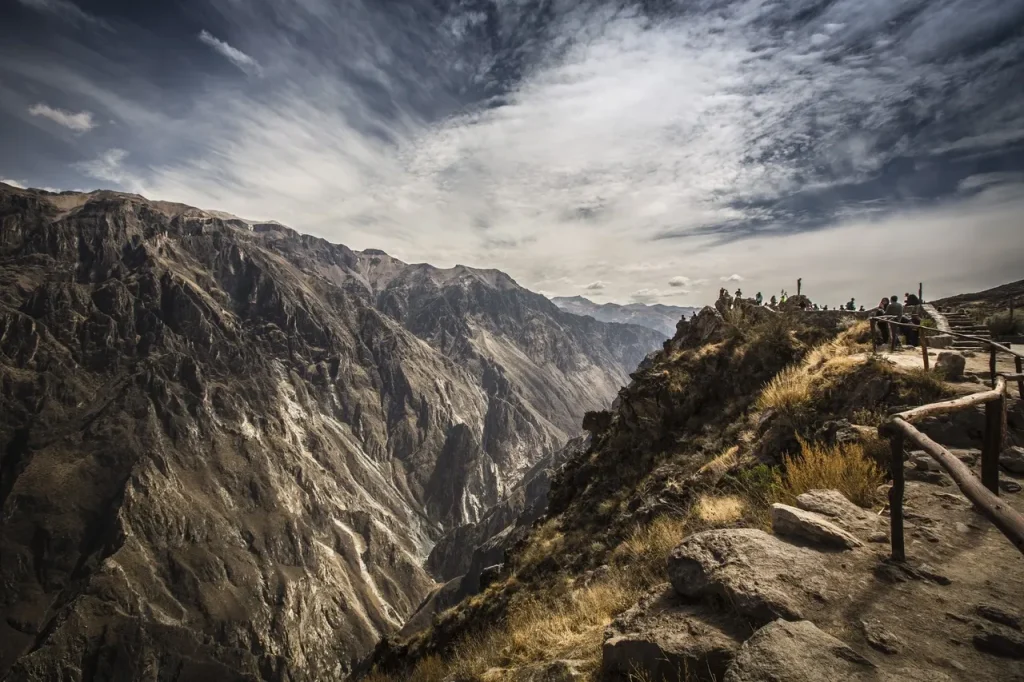
Arequipa is a relatively unknown destination for hiking holidays in Peru. After spending time in the “White City” itself, you can travel around three hours to one of the biggest canyons in the world. At 66,000 feet deep, Colca Canyon is absolutely enormous. Taking a privately-guided expedition led by a local expert enhances your overall experience, and ensures that your trip is as safe as possible.
Our Slow Travel Peru In-Depth holiday includes time in both Arequipa and Colca Canyon, taking in the incredible nature in the area as well as some beautiful walking trails.
The 4 Best Treks in Peru
1. Inca Trail
| Best for | First-time Peru trekkers who want to experience the classic route to Machu Picchu with Inca ruins, mountain scenery and a sense of pilgrimage. |
| Difficulty | Moderate to challenging, mainly due to steep ascents, stone steps and high altitude. |
| Duration | Typically 4 days, covering around 43 kilometres. |
| Highlights | Dead Woman’s Pass, cloud forest, Inca archaeological sites, the Sun Gate and arrival at Machu Picchu. |
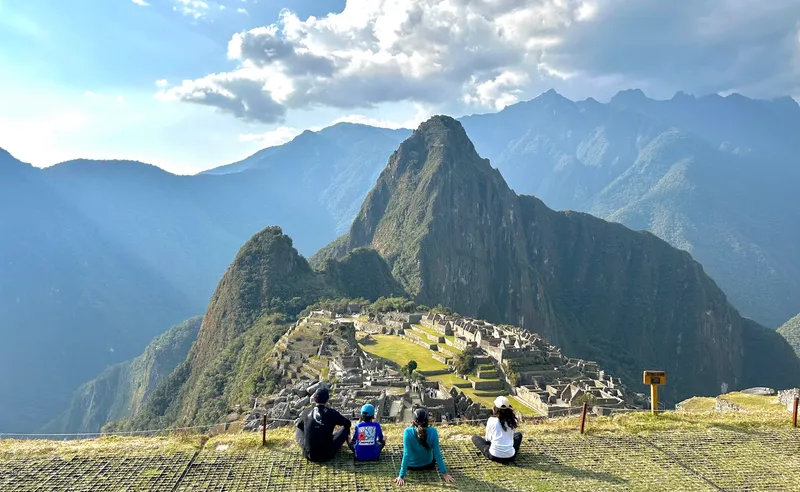
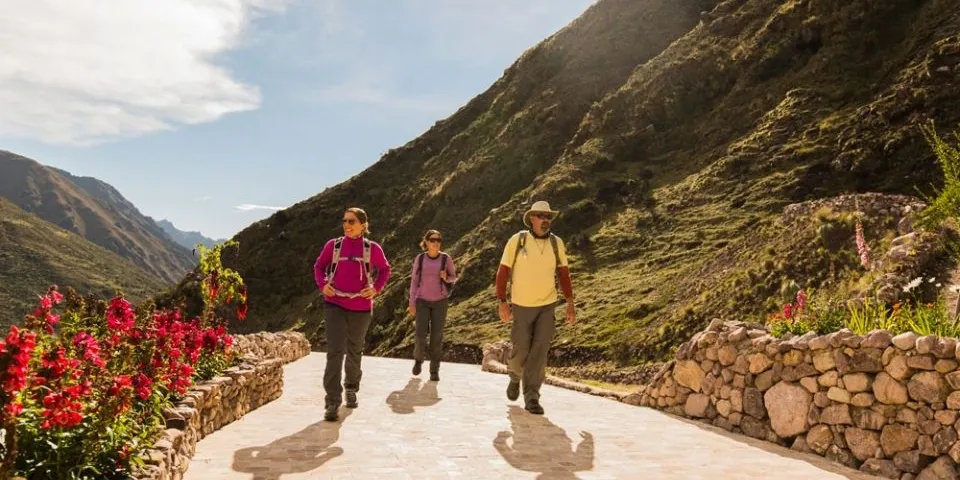
Many dream of hiking the Inca Trail to Machu Picchu in Peru. The route serves up ancient history alongside breathtaking landscapes, promising an unforgettable experience. It leads walkers along the magnificent Sacred Valley of Peru, by centuries-old settlements and the glorious peaks of the Andes before reaching the legendary ancient Incan city of Machu Picchu.
We offer a private tour for travellers looking to tick hike the famous Inca trail off their Peru bucket list while steering away from the crowds and staying in quieter campsites. It takes you on a peaceful journey to all of the most incredible ruins along the Inca Trail, such as LLactapata, Sayacmarca, Phuyupatamarca, Runkuraqay and Winawayna.
This private tour of the Inca Trail then leads through the legendary Sun Gate. Otherwise known as Inti Punk, it is the entrance to Machu Picchu, one of the most fascinating archaeological sites in the world. During this segment of the journey, you’ll be walking in the footsteps of Inca emperors and nobles.
Machu Picchu is awe-inspiring in itself; a recognised UNESCO World Heritage Site and one of the New Seven Wonders of the World. Include this iconic hike in our Slow Travel Peru In-Depth Holiday.
How Hard is it to Hike Peru’s Inca Trail?
The Inca Trail spans 43 kilometres across four intense days. It is considered a moderately difficult trail, with plenty of steep sections and an elevation nearing 14,000 feet in places which can make it quite challenging.
The Inca Trail is one of the places where you cannot go hiking in Peru without a guide. This regulation is in place both to protect the trail and for the safety of walkers. As one of the most popular places for a guided hiking vacation in Peru, you will need to book a tour several months in advance.
| Sustainability snapshot | Strict permits numbers and guides help manage visitor numbers and protect the trail. Our ground partners use responsible waste practices, support porter welfare and are paid and tipped fairly |
| Our perspective | Our Peru expert Sinead recommends book several months ahead, (ideally 6 months). This is especially the case for peak season. Spend time in Cusco or the Sacred Valley beforehand so your body can adjust before the highest passes. |
2. Salkantay Trek
| Best for | Adventurous travellers who want a quieter alternative to the Inca Trail and a beautiful and rewarding approach to Machu Picchu. |
| Difficulty | Challenging, particularly around the high pass and on longer walking days. |
| Duration | Usually 4 to 5 days, with routes often covering around 74 kilometres. |
| Highlights | Salkantay Mountain, Humantay Lake, cloud forest, hot springs and Machu Picchu. |
The Salkantay Trek to Machu Picchu is another of the best hiking trails in Peru. The route is named in homage to the 20,574-foot-high Salkantay Mountain, the highest peak in the Vilcabamba mountain range in the Peruvian Andes.
The trek provides a somewhat less-travelled route to Machu Picchu compared to the Inca Trail. However, it remains a highly sought-after choice, standing as the second-most popular trail to the ancient city in the country, closely trailing the legendary Inca Trail.
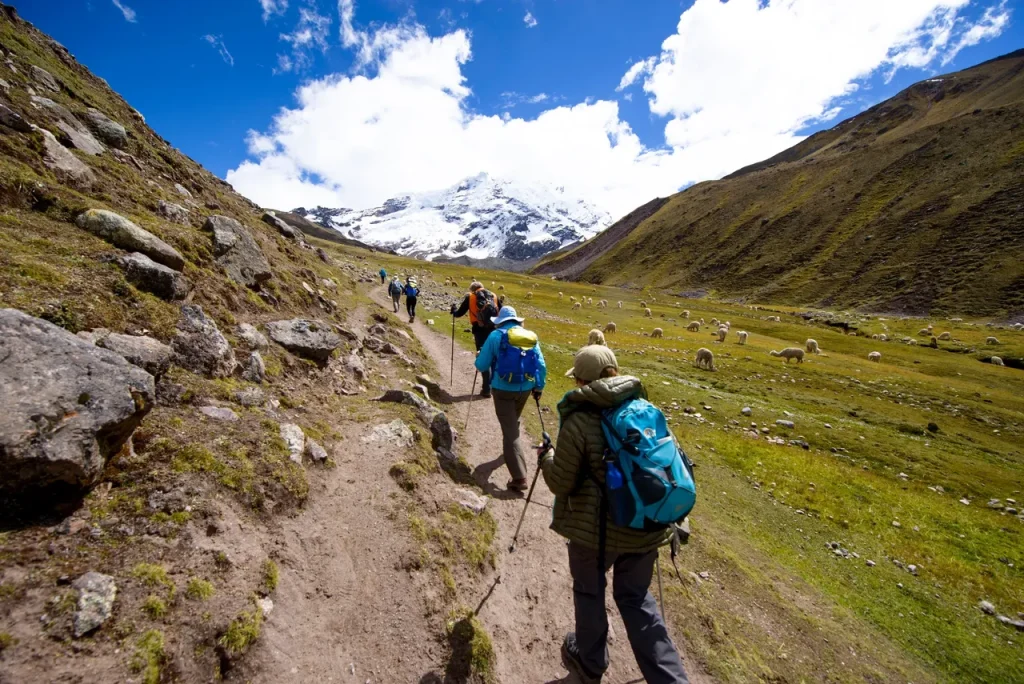
It takes you through stunning landscapes including the cloud forest and Humantay Lake, before leading you to Machu Picchu. Along the way, you’ll encounter alpacas in their natural habitat. The region also boasts natural hot springs where you can rejuvenate and soothe your tired muscles.
The Salkantay trek offers a deep dive into authentic Andean culture. Commencing in the Peruvian city of Cusco. From here, you will depart on a multi-day adventure to the citadel of Machu Picchu.
How Hard is the Salkantay Trek to Machu Picchu?
The Salkantay Trek is one of the best hiking trails in Peru but it is also quite demanding. It is approximately 74 kilometres long and reaches an altitude of 15,026 feet at its highest point, making it better suited to travellers who have done multi-day treks before.
While it can certainly be challenging, it does reward you with incredible vistas over the likes of Santa Teresa hot springs, Apacheta Pass and Humantay Lagoon. If you enjoy full-day treks amid stunning natural landscapes, this is one of the best hiking trails in Peru and a spectacular choice. Interested in including the Salkantay Trek into your bespoke Peru Holiday? Contact to our Peru experts here.
| Sustainability note | Stay on marked trails, take all rubbish with you and avoid single-use plastics. Our handpicked local guiding teams contribute directly to Andean communities along the route. |
| Our perspective | Our MD Sam always advises guests to not underestimate the altitude on the Salkantay Pass. Plan acclimatisation time in Cusco and carry warm layers even if the lower sections feel mild. |
3. Ausangate Trail
| Best for | Experienced hikers looking for a remote, high-altitude route with fewer crowds, big mountain scenery and deep cultural significance. |
| Difficulty | Strenuous, with sustained high altitude and long walking days. |
| Duration | Commonly 5 to 6 days, with many routes covering around 70 kilometres or more. |
| Highlights | Ausangate Mountain, glacial lakes, alpaca herding communities, remote valleys and possible views of Rainbow Mountain. |
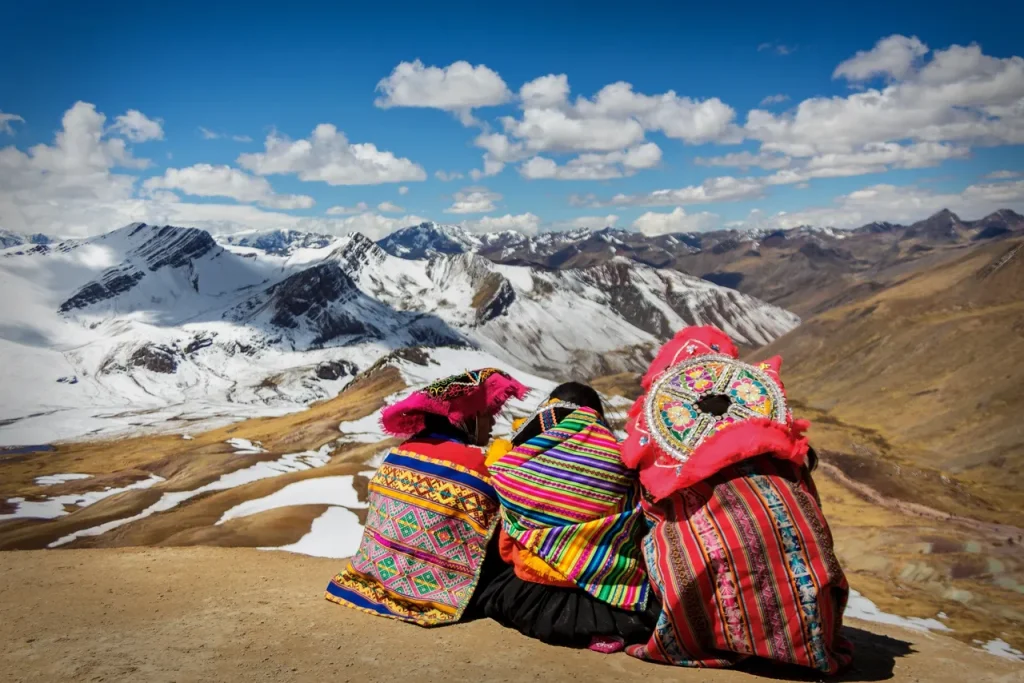
For those organising hiking trips in Peru, The Ausangate route is a brilliant choice. Ausangate Mountain is one of the highest peaks in the country at 6,372 metres high. It held profound significance for the Incas and remains a sacred site for the Quechua people today.
Known locally as “the father of all mountains”, the peak is believed to be a spirit (Apu) that protects people and the surrounding mountain ranges. If you’re looking for a hiking trail in Peru that takes you close to the mountain deities, this could be the route for you.
Along the Ausangate Trail, you can opt to stay at luxury Andean lodges, providing an opportunity to authentically engage with the local life, knowledge, and culture of the area. These high-altitude homes serve as blissful retreats, allowing you to rest and recuperate during your journey.
Experience breathtaking landscapes on a guided hiking trip along the Ausangate Trail. Picture beautiful scenes of snow-capped peaks, glaciers, and vibrant mountain lakes. You may even be able to see the glorious Rainbow Mountain, a striking geological peak famed for its multicoloured stripes.
How Hard is the Ausangate Trek?
The Ausangate Trek is considered to be one of the more strenuous of Peru’s hiking trails. It is a high-altitude route stretching 70 kilometres, with an average altitude of over 13,000 feet. Classified as Grade C, you can expect to spend between 6 and 7 hours hiking per day.
It offers a unique opportunity to go on a hiking trip in Peru that takes you to little-visited, community-based areas that are not centred around the Inca ruins. Contact our experts today and arrange including the Ausangate Trek in Peru into your bespoke adventure to South America.
| Sustainability snapshot | The Ausangate region is culturally and environmentally sensitive. Our trained guides respect local Quechua communities, use established camping practices and minimise disturbance to grazing land and wildlife. |
| Our perspective | In our opinion, this is not the best first high-altitude trek. Build in acclimatisation days and consider it after lower routes such as the Sacred Valley or Inca Trail if you have less trekking experience. |
4. Rainbow Mountain
| Best for | Travellers short on time who want a memorable high-altitude day hike and one of Peru’s most striking natural landscapes. |
| Difficulty | Moderate to difficult, mainly because of the rapid ascent and very high altitude. |
| Duration | Usually a full-day trip from Cusco, with a relatively short but demanding hike. |
| Highlights | Colourful mineral-striped slopes, wide Andean views and a strong sense of achievement. |
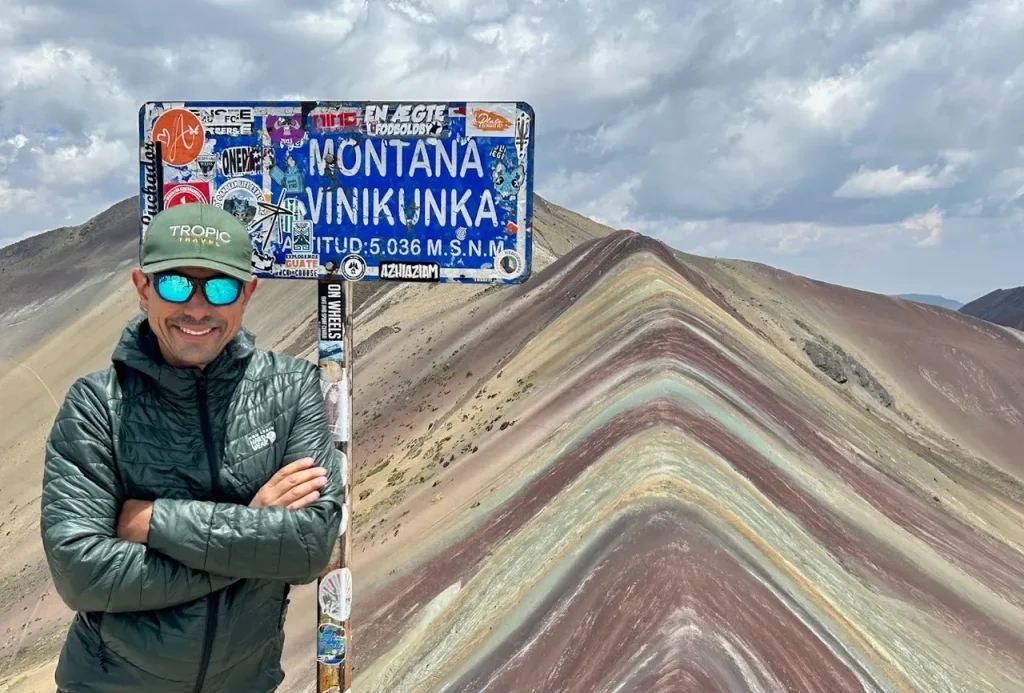
The vibrant slopes of Rainbow Mountain mark one of the most unique and beautiful places to go hiking in Peru. Not your average peak, it is striped in turquoise, lavender, bronze and gold. Its unique colouring can be traced to the sediment of minerals throughout the area.
As such a fascinating sight, it comes as no surprise that hiking the famous Rainbow Mountain in Peru is one of the most popular things to do in the country. It has a fast ascent from Cusco and reaches a staggering 17,000 feet above sea level.
Given how rapidly it ascends, it is very common to experience at least minor altitude sickness when hiking Rainbow Mountain. Be sure to take it slow and check in with yourself to see if you are showing any symptoms of altitude sickness.
The weather can also change very quickly on this peak so bring clothing and equipment for all conditions.
How Hard is the Rainbow Mountain Trek?
Rainbow Mountain reaches an altitude of 17,000 feet and is considered a moderate to difficult trek in Peru. Yet, it’s also one of the country’s most popular trails. If you are looking to complete Rainbow Mountain, be sure to take precautions and look after yourself.
Those who do complete the route are rewarded with awe-inspiring views over the mountain’s multicoloured slopes, along with an undeniable sense of achievement for tackling the famously challenging peak.
| Sustainability snapshot | Rainbow Mountain is popular and fragile, so avoid leaving the path, take all litter away with you. Our local team manages timings to reduce pressure on the trail. |
| Our perspective | Go slowly from the start, even if the walking looks straightforward. The altitude can be a real challenge, so pace yourself and speak to your guide if you feel unwell. Take a great camera! |
Top Tips for Hiking in Peru
Give Yourself Time to Acclimatise to the Altitude
Altitude is one of the most important things to consider when planning Peru hiking trips. An effective strategy for preventing altitude sickness is acclimatisation—gradually adapting to higher altitudes before undertaking treks.
We recommend beginning your holiday by spending a few days in a city close to your route. For example, if you’re gearing up for hiking tours to Machu Picchu through the Salkantay Trek, first explore the nearby city of Cusco.
If you are planning to complete multiple routes during your Peru hiking trip, organise your itinerary so it begins at the lowest altitudes and gradually works up to the highest. Taking the time to acclimatise significantly reduces the likelihood of getting ill when completing high-altitude treks in Peru.
Be Prepared for Temperature Changes
Hiking at high altitudes in Peru often involves dramatic changes in temperature, particularly between day and night. Pleasant daytime temperatures often mean you can trek comfortably in short-sleeved t-shirts and shorts.
However, by the late afternoon, temperatures tend to dramatically shift and leave you extremely cold. Be prepared for these fluctuating conditions. Pack layer-able clothing and breathable fabrics and always have a waterproof jacket at the ready.
Best Time of Year to Go Hiking in Peru
If you’re planning a walking holiday in Peru, you are likely wondering when the best time to go is. May to September is often viewed as the best time for hiking in the country. This period is peak walking season in Peru, with low rainfall and cooler daytime temperatures.
For those of you looking for the quietest time to go hiking in the country, you may prefer to visit between November and March. However, this is not considered the best time for high mountain trekking in Peru, as you have to contend with higher levels of rainfall.
The Inca Trail even closes in February. If you are content with these shortfalls, then this can otherwise be quite a pleasant time to hike in Peru. The trails are quiet and peaceful, prices are lower and the wilderness is lush and flourishing. To check up to date entry requirements into Peru, see here.
Frequently Asked Questions About Hiking in Peru
What is the best hike in Peru?
A difficult question as here at Travel Differently we really do love them all. The Inca Trail is generally considered the best-known hike in Peru because it combines mountain scenery, Inca ruins and arrival at Machu Picchu. That said, the best hike depends on your interests: for example Salkantay is ideal for dramatic landscapes, Ausangate is best for remote high-altitude trekking, and Rainbow Mountain is a memorable day hike from Cusco.
Is hiking in Peru difficult?
Yes and no, this will depend on your fitness and experience. Hiking in Peru ranges from gentle day walks in the Sacred Valley to strenuous multi-day treks in the Andes. The biggest challenge for many of our Travel Differently guests is altitude rather than technical difficulty, so it is vital to acclimatise before attempting routes such as the Inca Trail, Salkantay, Ausangate or Rainbow Mountain.
When is the best time to hike in Peru?
May to September are generally the best months for hiking in Peru, during the dry season. You can expect offer clearer skies, lower rainfall and better trail conditions, but keep in mind popular routes can be busier. The wetter months from November to March are quieter but can make high-altitude trekking more challenging if you don’t mind taking a gamble on some rain.
Do I need a guide to hike in Peru?
All of our tailor-made holidays to Peru require a guide to hike. Having an experience hiking guide is vital because of altitude, weather changes, route mapping and local logistics. Our guides are amazing, add cultural insight and help you travel more responsibly. For entry requirements into Peru, read here.
How many days do you need for a hiking holiday in Peru?
This depends on the route, but at Travel Differently we prefer slower, longer more immersive holidays. For a rewarding hiking holiday in Peru, allow at least 10 to 14 days. This allows time to acclimatise, enjoy Cusco or the Sacred Valley, complete one major trek and include cultural highlights such as Machu Picchu. Shorter trips can work for day hikes if you prefer an easy going walk, but longer itineraries are better for multi-day treks.
Which Peru hike is best for Machu Picchu?
The Inca Trail is the most iconic hike to Machu Picchu because it arrives through the Sun Gate. The Salkantay Trek is a popular options for our guests looking for a more varied and less crowded route through high mountains, cloud forest and Andean scenery before reaching Machu Picchu.
How can i hike responsibly in Peru?
All our ground partners are chosen carefully for their sustainable and ethical practises and credentials. Our team in Peru supports fair working conditions and pay, respect community land, manage waste responsibly and keep to established trails. Always carry reusable water bottles, take all litter with you, respect sacred sites and allow enough acclimatisation time so your trip is safer for you and less pressured for your support team.
Summary
As you can see, there are numerous factors to consider when travelling to Peru for a hiking trip. While this may add some complexity to the planning process, it’s all made worth your while the moment you experience the country’s stunning magnificent landscapes. If you’re looking to include a hike as part of a wider trip, read more about our best food experiences in Peru here.
Thinking of booking a hiking trip to Peru? Take a look at our Peru Active Adventure which includes several hiking options that take you to local communities, the Inca ruins of the Sacred Valley and Machu Picchu, and begin turning your dream hiking holiday into a reality. Contact our Peru experts here, who have taken on the majority of these hikes personally, and can talk you through the different options.
Why Book With Travel Differently

Passionate and experienced
- Each member of the team has over a decade of experience in the industry
- Our 5* client reviews reflect our service & standards
- We are a fully independent & owner-run tour operator
- Our holidays include full financial protection & ATOL coverage
- We are destination experts, ensuring authentic & reliable advice

Committed and Responsible
Tailor-made and Personal
- No two trips are the same, our holidays are 100% bespoke
- We design personal, genuine cultural connections & experiences
- From planning to travel, you’ll have one dedicated point of contact
- Our support is available around the clock during your holiday
- We take care of the details, so you don’t have to