
Best Treks in Bhutan: Top Himalayan Hiking Routes for 2026
Bhutan’s best treks range from the 2-day Bumdra Trek, a short taster ending at Tiger’s Nest, to the challenging 11-day Laya Gasa expedition near the Tibetan border. For most first-time trekkers, the 4-day Druk Path Trek between Paro and Thimphu offers the best balance of scenery, altitude and accessibility.
If you’re searching for the best treks in Bhutan, you’re in for something special. Expect high Himalayan ridgelines, sacred lakes, yak herders’ trails, all part of a trekking culture that still feels wonderfully low-key compared to neighbouring hotspots. Bhutan also puts sustainability front and centre, with tourism carefully managed so that many routes actively support rural communities.
Below are our favourite routes, from a two-day taster trek to big, high-altitude expeditions, with practical tips and why we think each one is incredible.
Written by Holly, Travel Differently’s Bhutan specialist
Last updated 28th September 2026
Best Treks in Bhutan at a Glance
| Trek | Duration | Difficulty | Standout Feature |
| Bumdra Trek | 2 trekking days | Easy/Taster | Descends to Tiger’s Nest from the quieter approach |
| Druk Path Trek | 4 trekking days | Moderate | The classic ridge walk between Paro and Thimphu |
| Jomolhari Trek | 6 trekking days | Moderate- Challenging | Two nights at Jomolhari Base Camp |
| Yaksa Trek (Jomolhari II) | 6 trekking days | Moderate | Fewer trekkers, huge mountain panoramas |
| Dagala Trek | 4 trekking days | Moderate- Challenging | Alpine lakes and excellent birdlife |
| Tergo La Trek | 7 trekking days | Challenging | Remote Haa Valley, views towards Kanchenjunga |
| Naro ‘Six Passes’ Trek | 8 trekking days | Challenging | Six dramatic high passes in one trek |
| Laya Gasa Trek | 11 trekking days | Challenging | Deep cultural immersion with Layap communities |
| Trans Bhutan Trail | 6-day sections | Moderate | Hotel-based, no camping required |
1. Bumdra Trek (the short Himalayan taster)
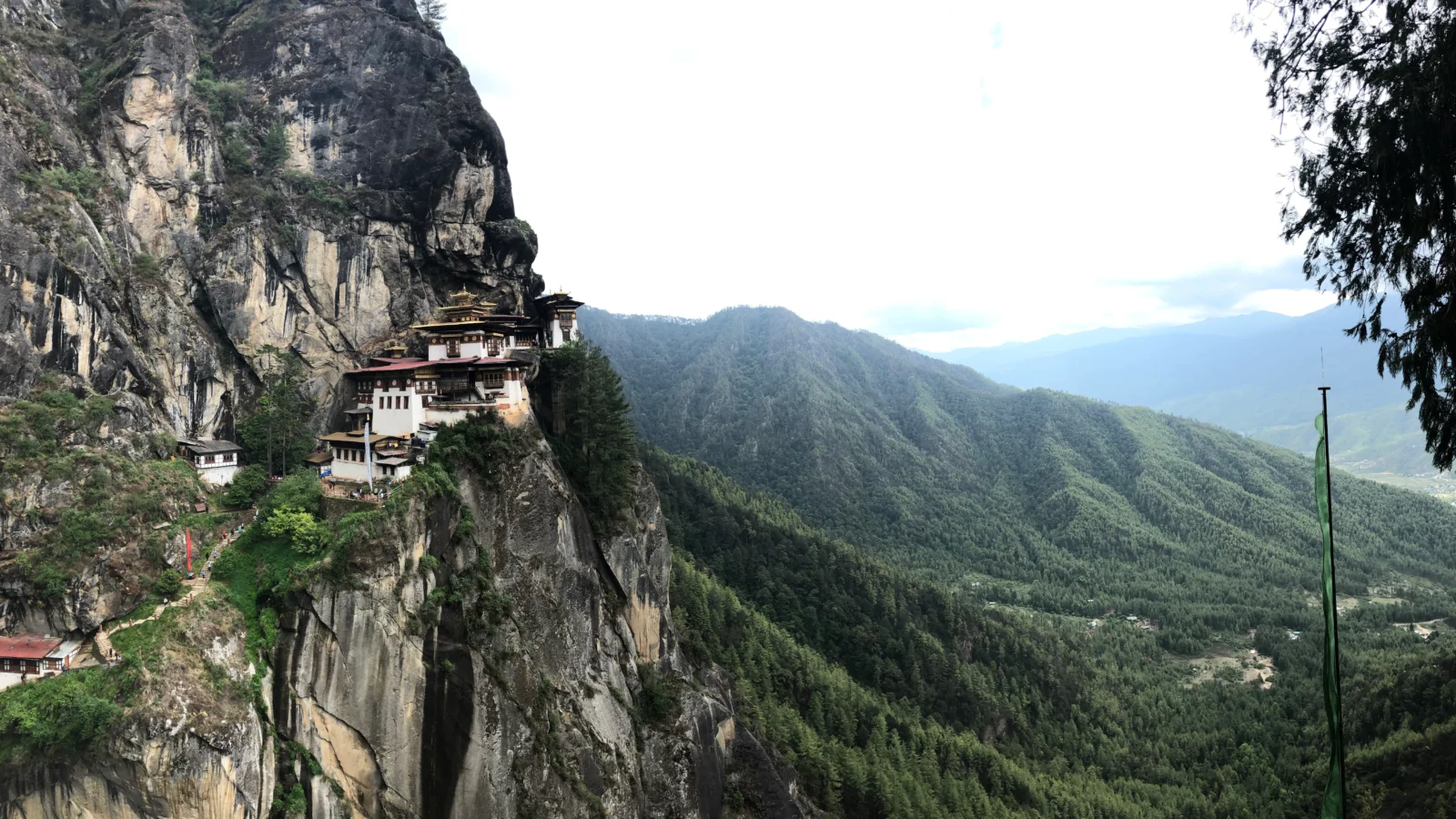
What it offers: Starting in Paro, the Bumdra Trek is short but seriously rewarding: forest trails, high ridgelines, and, on clear days, proper Himalayan views. The best bit? You can finish by descending to Tiger’s Nest Monastery from the ‘wrong’ direction, which feels quieter and more adventurous than the standard out-and-back.
Length & difficulty: 2 trekking days (about 23 km total) with 1 night of camping around 3,800 m. It’s a great way to get a taste of altitude without committing to a long expedition, ideal if your itinerary is tight but you still want that Himalayan feel.
Why we love it: It’s the perfect first trek in Bhutan: big scenery, minimal time off the grid, and a wonderfully memorable approach to Tiger’s Nest. The Bumdra Tek is a fantastic options for those who just want a taster, with 2 days trekking with one night in camp, and a luxury-style camp at that!
Include the Bumdra Trek as part of our Classic Bhutan Holiday (14 days from £3,903pp)
2. Druk Path Trek (Bhutan’s classic moderate trek)
What it offers: The Druk Path is one of the best treks in Bhutan for good reason: it’s scenic, accessible, and full of variety. You’ll walk a high ridge between Paro and Thimphu through blue pine forest and (in season) stunning rhododendrons, passing yak herders’ camps and glacial lakes with mountain backdrops.
Length & difficulty: Usually 4 trekking days (around 54 km). It’s considered moderate; days are fairly manageable, but you’ll still gain altitude and cross high ground. If you’re reasonably fit, it’s a friendly first multi-day trek.
Why we love it: It delivers the Bhutan trekking greatest hits: lakes, passes, forest, and those wide-open Himalayan views, without feeling too intense. Druk Path is a fairly easy going for a novice trekker, as the hiking days are quite short, and it is quite accessible. However it still gives a great trekking experience with some high passes, mountain views and a sacred lake. It’s also a brilliant route for guests who want adventure and time to enjoy the culture and scenery of Paro and Thimphu either side.
“The Druk Path is the trek I always recommend most to first-timers. You get every classic Bhutan trekking moment, the pine forest, the sacred lake, the high pass, without needing serious mountain experience to enjoy it.” — Holly, Bhutan Specialist
Include the famous Druk Path Trek in our Bhutan Hiking, Cycling & Rafting Holiday (14 days from £6,989pp)

3. Jomolhari Trek (base camp drama, moderate-challenging)
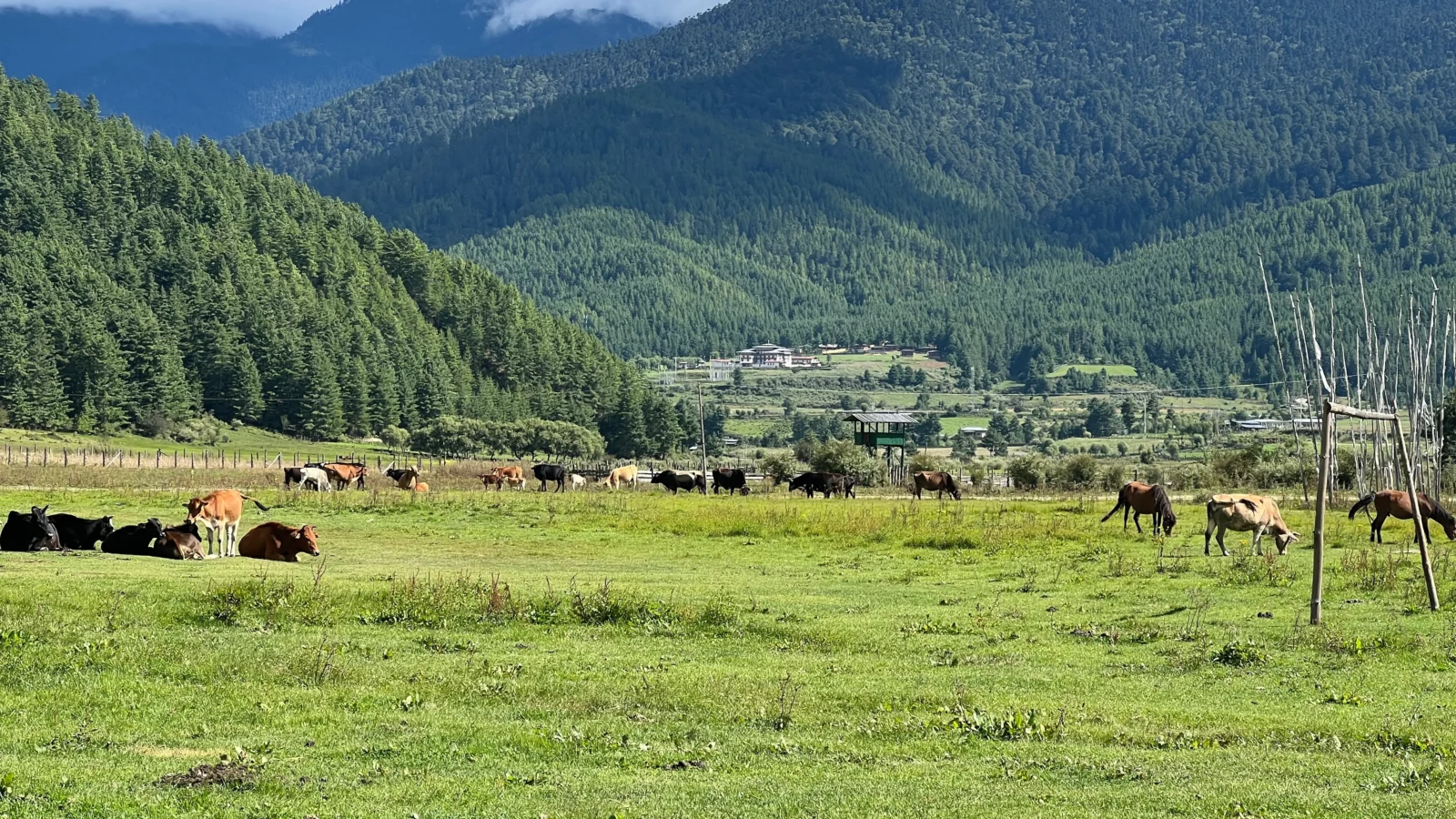
What it offers: The Jomolhari Trek is a true all-rounder. It’s more remote than Druk Path, with bigger mountains and a stronger sense of journey, taking in glacial rivers, wide yak pastures, deep forests, and the headline moment: arriving at Jomolhari Base Camp with the peak towering above you.
Length & difficulty: Typically 6 trekking days, moderate-to-challenging, with average walking days around 6 hours. You’ll reach near 4,950 m at the Yale La Pass, so an acclimatisation hike, and a sensible pace, is non-negotiable.
Why we love it: This is a very popular option, with the highlight being a 2-night stay at Jomolhari Base Camp and the chance to explore the glacier. Two nights around base camp gives you time to explore side valleys and glacier viewpoints rather than just ticking off kilometres. If you want a proper Himalayan trek in Bhutan without going full expedition mode, this is our favourite.
Looking to combine a multi day trek in Bhutan with some time in luxury hotels? Speak to our experts about including the Jomolhari trek into our Luxury Bhutan Holiday (11 days from £5,357pp)
4. Yaksa Trek (Jomolhari II: quieter, wilder, huge views)
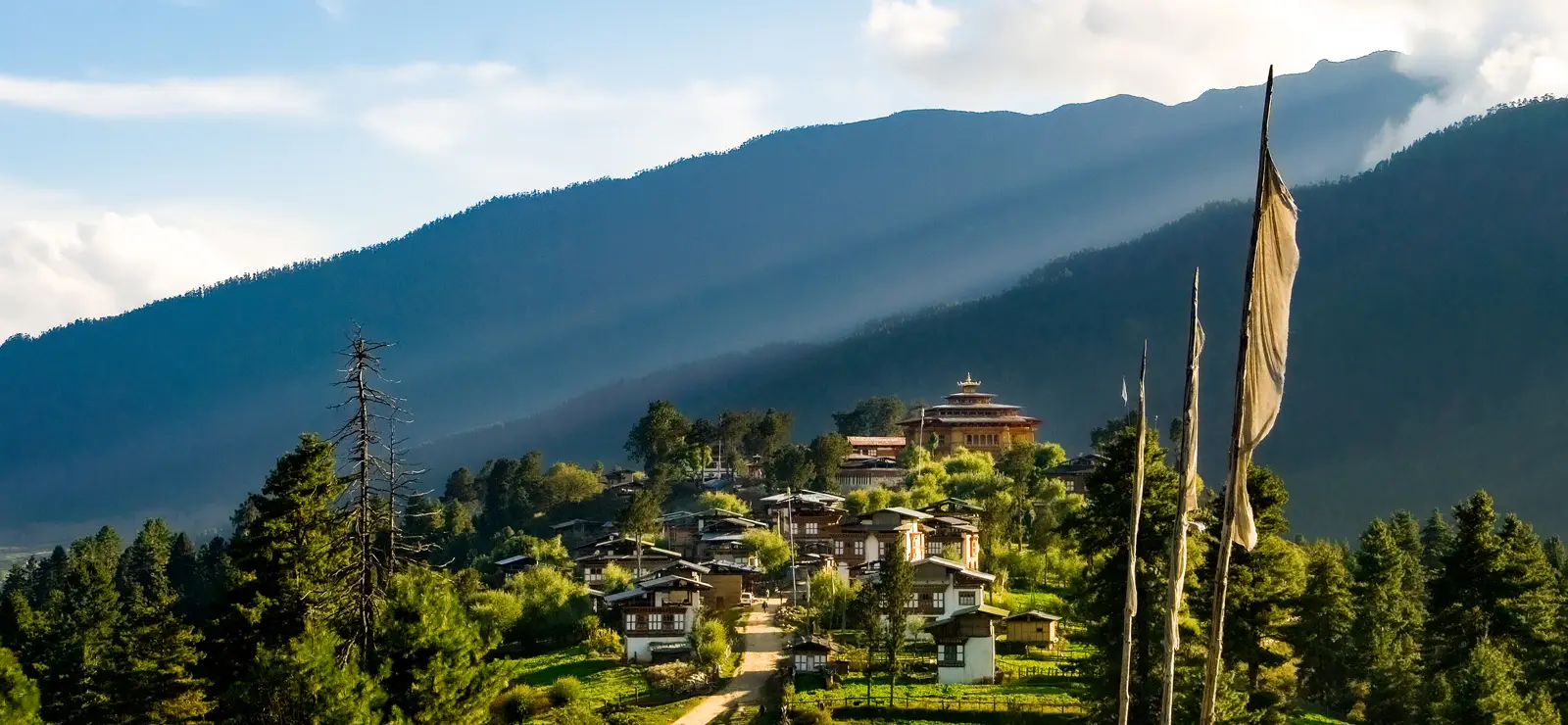
What it offers: Yaksa, often called Jomolhari II, follows a similar region but feels more remote, with long ridge traverses and standout panoramas of Mount Jomolhari. You’ll pass rivers, farms, and high camps, with a welcome rest day that lets you wander to alternative viewpoints at an unhurried pace.
Length & difficulty: Around 6 trekking days, with 6–7 hours of walking on many days and a high point around 4,800 m. This is a solid moderate Himalayan trek. You don’t need to be an ultra-athlete, but you do need real hill fitness and time to acclimatise.
Why we love it: If you’re choosing between Jomolhari and Yaksa, our suggestion is to pick Yaksa for the best mountain views and fewer trekkers. You still get base camp atmosphere, and a hike to a sacred lake, as well as that wonderful ‘far from the road’ feeling.
“Yaksa is the trek I recommend to guests who’ve asked about Jomolhari but want fewer people and peace on the trail. The views of the mountain are honestly just as good, arguably better.” — Holly, Bhutan Specialist
Experience the beautiful and remote Yaksa Trek on our Bhutan Trekking and Festival Holiday (16 days from £5,276pp)
5. Dagala Trek (lakes, meadows, and an underrated calm)
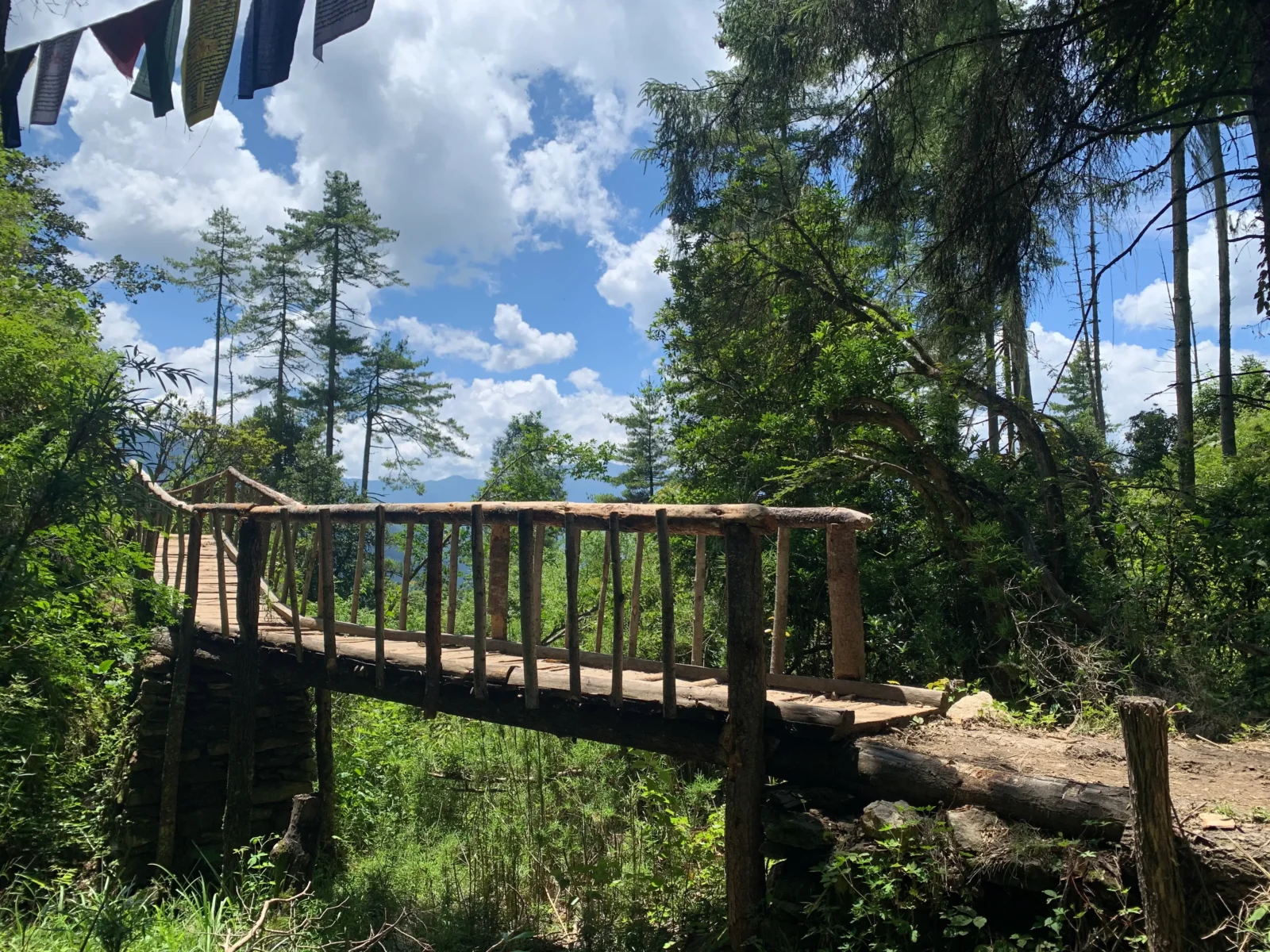
What it offers: Dagala is sometimes nicknamed the ‘trek of a thousand lakes’ (slight exaggeration, but you’ll see plenty). Expect alpine meadows, high-altitude lakes, and excellent birdlife. On clear days there are distant views toward major Himalayan peaks, making it a photographer’s dream without the crowds.
Length & difficulty: Commonly 4 trekking days, moderate-to-challenging. Days are often 4–5 hours of walking, so while the terrain and altitude require effort, it can feel less relentless than longer high-pass routes.
Why we love it: It’s a niche choice, peaceful and beautiful in that quiet, water-and-meadow way, ideal for travellers who want a low-impact trek that still feels properly wild. Not many people do this one, so you get a real sense of being away from everything and everyone.
Consider adding the Dagala Trek onto our Classic Bhutan Holiday (14 days from £3,903pp)
Speak to our Bhutan experts about including the Dagala Trek into your tailor-made Bhutan holiday.
6. Tergo La Trek (remote Haa Valley adventure)
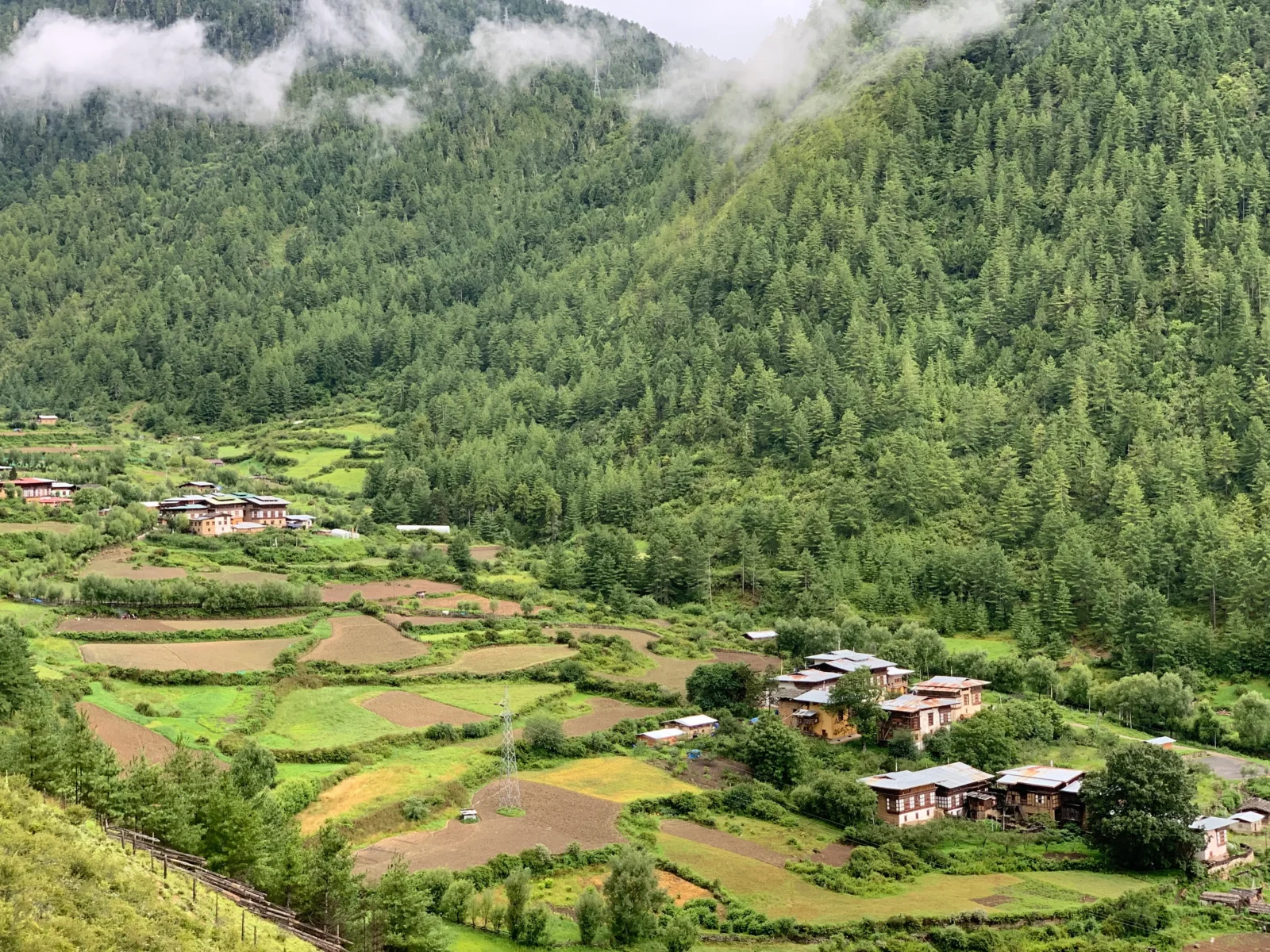
What it offers: Tergo La is for trekkers who want Bhutan at its quietest. Big landscapes, tiny hamlets, and stretches where it’s just you, your team, and the mountains. Starting from the Haa Valley, you’ll move through farmland and forest to high ridges with huge, open views. It’s one of the most off-the-beaten-track routes on this list. A real Travel Differently showcase.
Length & difficulty: Usually 7 trekking days, challenging. Expect longer days, sustained ascents, and a high point around 4,450 m. Build in acclimatisation and don’t underestimate how much more demanding ‘remote’ feels when you’re a long way from the road.
Why we love it: For experienced trekkers, this is a standout. Quiet camps, varied landscapes, and that addictive sense of exploring a place most travellers never see. It’s a challenging trek in a very remote area close to the Tibetan border, with views of Kanchenjunga and some interesting flora and fauna in the right season.
Include the more challenging Tergo La Trek in our Slow Travel Bhutan Holiday (21 days from £6,103pp)
7. Naro “Six Passes” Trek (for pass-collectors and altitude lovers)
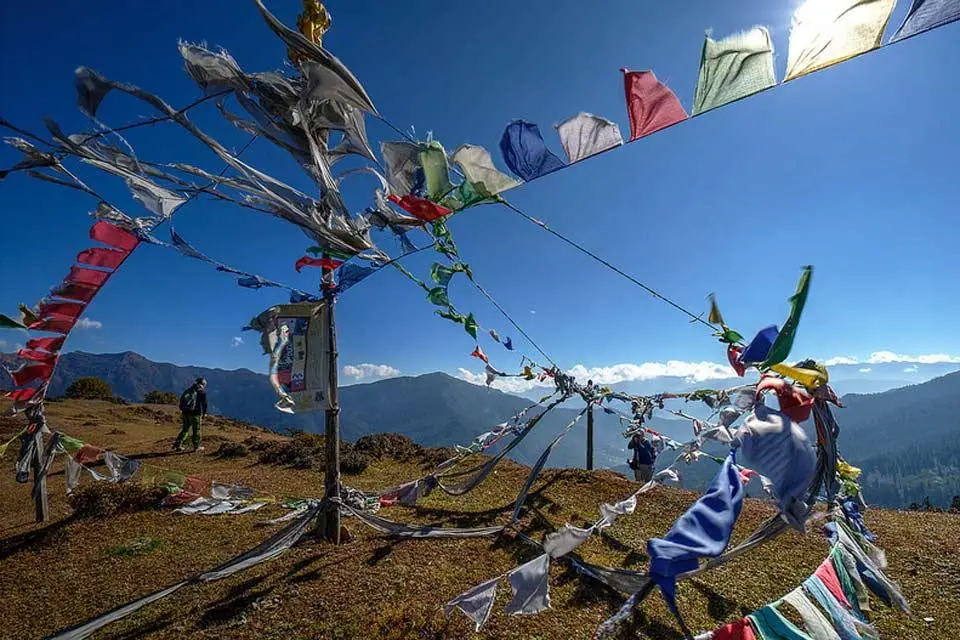
What it offers: This is the trek for people who hear “high pass” and think, yes please. Starting from Paro, the Naro route crosses a series of dramatic mountain passes, six in total, bringing constant shifts in perspective and regular stop-and-stare moments. The Yale La Pass (4,950m) is a highlight for sweeping views toward Jomolhari and neighbouring peaks.
Length & difficulty: Typically 8 trekking days, challenging and consistently high. Several days push above 4,800 m, so prior trekking experience, strong fitness, and smart acclimatisation are essential.
Why we love it: Naro Six Passes is a challenging trek that offers a stay at Jomolhari Base Camp, some high mountain passes, sacred lakes and some amazing views. It’s demanding in the best way: big days, big views, and a real feeling of earning every panorama. If your idea of fun is linking passes together like stepping stones across the Himalaya, this one is hard to beat.
If you have the time available, you can include the iconic Six Passes Trek as part of our Bhutan Trekking and Festival Holiday (16 days from £5,276pp)
8. Laya Gasa Trek (high, hard, and culturally rich)
What it offers: Laya Gasa is one of Bhutan’s most scenic high-altitude treks, tracing a rugged route close to the Tibetan border and overlapping sections of the famous Snowman region. Beyond the mountain drama, the cultural side is exceptional: you’ll pass remote villages and meet communities with distinct traditions, including the indigenous people of Laya. Keep your eyes open for wildlife such as blue sheep and Bhutan’s national animal, the takin.
Length & difficulty: Around 11 trekking days, challenging, with longer walking distances (often up to 19 km). You’ll want proven multi-day trekking experience, strong legs, and boots you trust.
Why we love it: A trek to really test out your trek legs! It’s the kind of trek that changes your idea of ‘remote’. The mountain scenery is immense, but the real magic is sharing the trail with local life—villages, yak herders, and a slower, more grounded rhythm of travel.
“Laya Gasa isn’t just a physical challenge, it’s a real cultural encounter. Meeting the Layap communities partway through is something guests end up talking about as much as the mountains themselves.” — Holly, Bhutan Specialist
Want to include a challenging Bhutan trek and still see the highlights of the country? Speak to our Bhutan experts about including this trek as part of our Classic Bhutan Holiday starting from £3,903pp.
9. Trans Bhutan Trail (historic trekking with hotel comfort)
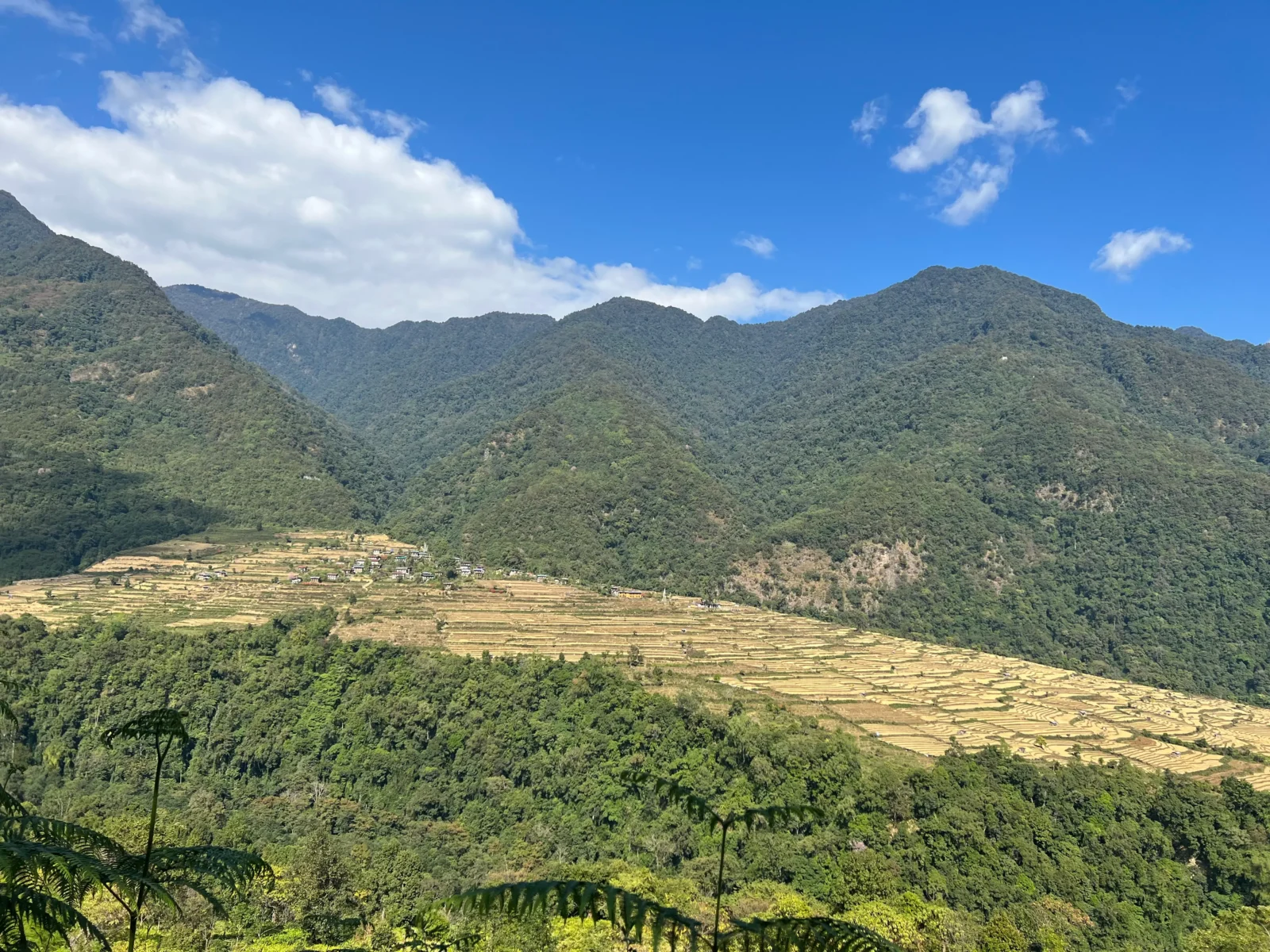
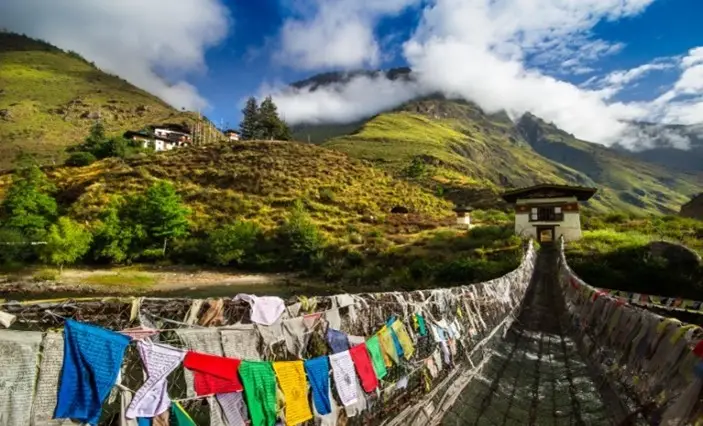
What it offers: The Trans Bhutan Trail follows an ancient trading route that has been restored in recent years, reopening a remarkable cross-country corridor. It’s less about high passes and more about connection: walking through lived-in landscapes, past temples, bridges, villages, and farmland, with a real sense of Bhutanese history under your boots. Stay in hotels each night (no camping), which makes it a strong choice if you want adventure by day and a hot shower by evening.
Length & difficulty: The full trail stretches roughly 250 miles, but most trips tackle it in sections. We suggest a 6-day point-to-point walk with moderate day hikes.
Why we love it: It’s a good way to travel sustainably: human-scale distances, real community interaction, and big views, all without the logistics of camping. It’s ideal if you want to try multi-day hiking in a comfortable way, especially if you’re building up to higher treks in the future.
Experience the incredible Trans-Bhutan Trail on our Trans-Bhutan Trail Hiking holiday (15 days from £4,401pp)
How to choose the best trek in Bhutan for you
- Short on time: Choose Bumdra—it’s a proper Himalayan hit in two days.
- First multi-day trek: Druk Path is the classic, steady introduction.
- Want base camp & a big peak: Go Jomolhari.
- Prefer fewer people and bigger viewpoints: Pick Yaksa (Jomolhari II).
- Love lakes and gentle wildness: Dagala is your move.
- Chasing remote adventure: Tergo La, Naro Six Passes, or Laya Gasa (in that order of intensity).
- Want trekking without camping: Trans Bhutan Trail.
Frequently Asked Questions
For most people, Druk Path is the best balance of altitude, comfort, and scenery. If you want something even shorter, start with Bumdra.
Laya Gasa and Naro Six Passes are the toughest due to length and sustained high altitude. Tergo La is also challenging, especially because of its remoteness.
Generally, spring (April–June) and autumn (September–November) are prime. Specific routes have slightly different windows—our Bhutan experts will confirm the best months for your chosen trek. For entry information into Bhutan check here.
For shorter routes like Bumdra or Druk Path, general fitness is enough. For longer, higher treks like Jomolhari, Naro Six Passes or Laya Gasa, proven multi-day trekking experience and strong acclimatisation really matter.
Yes. The Trans Bhutan Trail is walked in day sections with hotel stays each night, making it the best option if you want a multi-day hiking experience without camping logistics.
In Summary
The best treks in Bhutan aren’t just about summits—they’re about walking through a living culture with a lighter footprint. Tell us your timeframe, fitness level, and whether you’re team ‘campfire’ or team ‘hotel’, and we’ll point you to the route that fits. Contact our Bhutan experts about including a Bhutan trek in your tailor-made holiday to Bhutan.
Why Book With Travel Differently
Passionate and experienced
- Each member of the team has over a decade of experience in the industry
- Our 5* client reviews reflect our service & standards
- We are a fully independent & owner-run tour operator
- Our holidays include full financial protection & ATOL coverage
- We are destination experts, ensuring authentic & reliable advice

Committed and Responsible
Tailor-made and Personal
- No two trips are the same, our holidays are 100% bespoke
- We design personal, genuine cultural connections & experiences
- From planning to travel, you’ll have one dedicated point of contact
- Our support is available around the clock during your holiday
- We take care of the details, so you don’t have to